
Last updated on August 25th, 2026 at 02:16 pm
The powertrain control module (PCM) in your 2004 Cadillac CTS-V manages engine performance and transmission behavior. Failures may trigger drivability problems like stalling, rough idle, or transmission hesitation, often accompanied by internal fault codes.
If your 2004 Cadillac CTS-V has developed unexplained stalling, erratic shifting, or a no-start condition, the powertrain control module (PCM) may be at fault. This critical computer oversees fuel delivery, ignition timing, and transmission operation, making it essential for smooth performance. Replacing it involves more than just swapping hardware—proper programming and relearn procedures ensure the vehicle runs correctly afterward. Understanding the steps, labor time, and precautions can help you avoid unnecessary resets of maintenance intervals or drivability issues. Whether you’re diagnosing a persistent fault code or preparing for a replacement, knowing what to expect simplifies the process and helps maintain your CTS-V’s reliability.
The powertrain control module in your 2004 Cadillac CTS-V acts as the brain for both engine and transmission functions. It processes data from sensors to adjust fuel injection, ignition timing, and shift points, ensuring optimal performance and efficiency. A failing PCM may disrupt these calculations, leading to poor throttle response, misfires, or transmission slippage. Because it integrates engine and transmission control, issues with replacement powertrain computers for the CTS-V often manifest as drivability problems rather than isolated component failures. The module’s location and mounting design allow for relatively straightforward access, though proper handling during installation is critical to avoid damaging connectors or resetting maintenance monitors unintentionally.
In the 2004 Cadillac CTS-V, the powertrain control module is mounted near the engine bay, typically secured behind a protective cover or bracket. Replacing it involves disconnecting the battery, removing the cover, and carefully unplugging the wiring harness connectors. The factory labor time for this procedure is 1.4 hours for the 5.7L engine, reflecting the need to access and secure the module properly. After removal, the new unit must be installed with attention to connector alignment to prevent pin damage. No specialized torque specifications are provided, but ensuring a snug fit and secure mounting is essential to avoid vibration-related issues. Always turn the ignition off before disconnecting or reconnecting the module to prevent electrical damage.
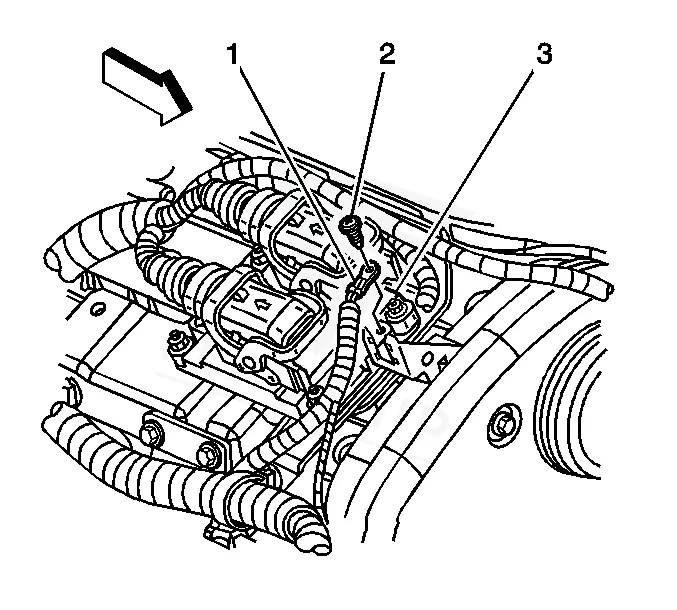
Work with the ignition off, and treat the module as static-sensitive: avoid touching the connector pins at any point.
| Operation | Configuration | Book Time |
|---|---|---|
| Powertrain Control Module R&R | 3.6L | 0.6 hr |
| Powertrain Control Module R&R | 5.7L | 1.4 hr |
| Powertrain Control Module R&R | 3.2L | 0.4 hr |
| Powertrain Control Module Relearn | All configurations | 0.5 hr |
| Engine Control Module R&R | 3.2L | 0.4 hr |
| Engine Control Module R&R | 3.6L | 2.9 hr |
| Engine Control Module R&R | 5.7L | 1.4 hr |
| Engine Control Module Relearn | All configurations | 0.5 hr |
Engine computer (ECM/PCM)
OEM programmed replacements — plug & play, no dealer visit.
Find yours by year, make & model →
Free shipping · Lifetime warranty
After installing a new powertrain control module in your 2004 Cadillac CTS-V, a relearn procedure is required to synchronize the module with the vehicle’s systems. This typically involves a 0.5-hour process to restore communication with the transmission and other components. Additionally, the factory may require either a 10- or 30-minute relearn to reset the fuel continue password for the theft deterrent system. Using a pre-programmed replacement module eliminates the need for initial VIN programming, as these units arrive configured for your vehicle. However, the relearn steps must still be performed to ensure proper operation. Failing to complete these procedures may result in poor drivability or warning lights on the dashboard.
A failing powertrain control module in your 2004 Cadillac CTS-V may cause a range of symptoms, often starting with subtle drivability issues. You might notice the engine stalling at idle, hesitating during acceleration, or misfiring under load. Transmission shifts may feel rough or delayed, particularly at highway speeds. In some cases, the vehicle may fail to start altogether, leaving you with a cranking engine but no ignition. Scan tools may struggle to communicate with the module, or you may see persistent fault codes like internal control module memory checksum error. These codes indicate the module is unable to verify its own programming, a common sign of internal failure. If the module loses communication with the transmission control unit, shifting issues may become more pronounced, especially during light throttle conditions.
The 2004 Cadillac CTS-V’s powertrain control module may log specific internal fault codes when it begins to fail. These codes often point to memory corruption, communication errors, or programming faults within the module itself.
Factory service bulletins for the 2004 Cadillac CTS-V address specific powertrain control module and transmission control module issues. Bulletin #04-06-04-011 outlines procedural requirements for PCM replacement, including documentation steps to ensure warranty compliance. Another bulletin, #06-07-30-020, targets intermittent engine chuggle at highway speeds, typically above 100 km/h (62 mph), during light throttle. This condition may require reprogramming the transmission control module to resolve the hesitation. While these bulletins don’t cover all potential PCM failures, they highlight common drivability concerns that may arise from module-related issues.
| Bulletin | Subject | What It Addresses |
|---|---|---|
| 04-06-04-011 | Warranty Admin. – New Procedural Requirements for Powertrain Control Module (PCM) Replacement – | — |
| 06-07-30-020 | LP1/LY7 Intermittent Engine Chuggle at Highway Speeds During Light Throttle Load (Reprogram Tra | Some customers may comment on an intermittent engine chuggle at highway speeds (typically above 100 km/h (62 mph)) during light throttle |
Stalling after a PCM replacement often indicates an incomplete relearn procedure. The module needs to synchronize with the transmission and other systems, which typically requires a 0.5-hour relearn process. Without this step, the engine may run poorly or stall due to incorrect fuel or ignition timing calculations.
While the vehicle may still run with a P0601 code, it’s not advisable to ignore it. This code signals an internal memory error in the PCM, which may lead to unpredictable drivability issues. Addressing it promptly can prevent further complications, such as stalling or transmission shifting problems.
If the oil life percentage isn’t recorded before replacing the PCM, the system will default to 100%, potentially delaying necessary maintenance. This isn’t a mechanical issue but could lead to premature engine wear if oil changes are postponed based on the incorrect reading.
A failing PCM often triggers multiple fault codes across different systems, such as engine misfires and transmission errors. If sensors are the issue, codes will typically point to specific components rather than internal module faults. A scan tool can help distinguish between the two by showing whether the PCM is communicating properly.
Replacing the PCM is physically straightforward, but programming and relearn procedures require specialized tools and knowledge. If you’re not familiar with these steps, it’s best to have the work done by a professional to avoid drivability issues or unintended resets of maintenance monitors.
If your 2004 Cadillac CTS-V is experiencing persistent drivability issues linked to the powertrain control module, replacing it with a properly programmed unit can restore performance. While a new module may be an option, a refurbished replacement can offer the same reliability at a lower cost. Given the labor time and programming requirements, choosing a unit that arrives ready for installation simplifies the process and reduces the risk of post-replacement complications.
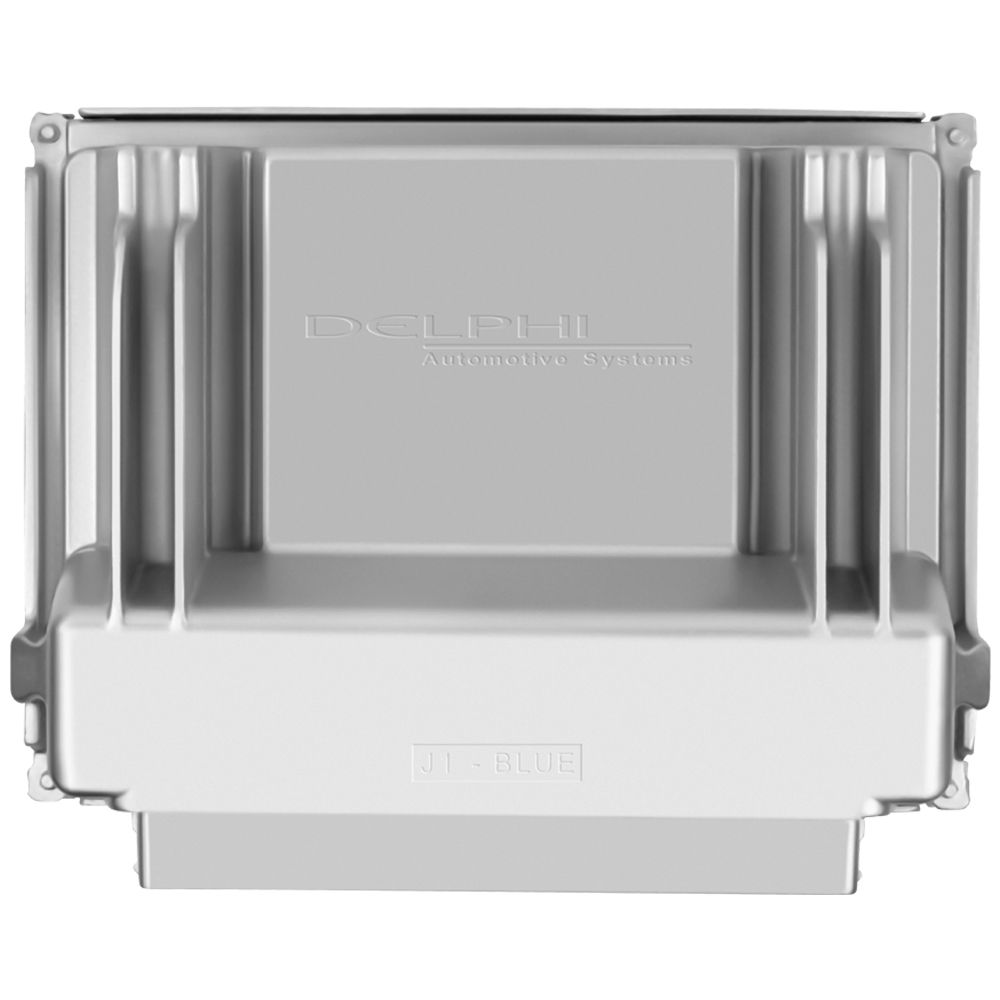
Flagship One stocks a refurbished, VIN-programmed PCM for the 2004 Cadillac CTS-V with a lifetime warranty, free shipping and no core charge. The full Cadillac CTS-V module lineup covers other engine configurations as well.
Replacing the powertrain control module in your 2004 Cadillac CTS-V can resolve a range of drivability issues, from stalling to rough shifting. Proper installation and programming are key to ensuring the vehicle runs smoothly afterward. Whether you opt for a new or refurbished unit, following the factory procedures will help maintain your CTS-V’s performance and reliability for miles to come.