
Last updated on August 25th, 2026 at 01:35 pm
The powertrain control module (PCM) in your 2006 Ford E-Series van acts as the vehicle’s central computer, managing engine performance, fuel delivery, and transmission shifts. When it fails, you may experience erratic idling, poor acceleration, or even a complete no-start condition.
If your 2006 Ford E-Series van has been acting up—stalling at stoplights, refusing to start, or throwing a check-engine light—you might be dealing with a failing powertrain control module (PCM). This small but critical component oversees nearly every aspect of your engine’s operation, from fuel injection timing to transmission shifting. When it malfunctions, the symptoms can range from subtle performance hiccups to a van that won’t move at all. Replacing the PCM isn’t just about swapping a part; it involves precise labor steps and a mandatory relearn procedure to ensure everything communicates correctly. Understanding what the PCM does, where it’s located, and what to expect during replacement can help you make informed decisions—whether you’re tackling the job yourself or working with a mechanic. This guide breaks down the essentials, so you can address the issue efficiently and get your van back on the road without unnecessary delays.
The powertrain control module (PCM) in your 2006 Ford E-Series van serves as the brain of the engine and transmission systems. It continuously monitors data from sensors throughout the vehicle, adjusting fuel delivery, ignition timing, and shift points to optimize performance and efficiency. Without a properly functioning PCM, your van may struggle with poor fuel economy, rough idling, or even fail to start. The module also plays a key role in emissions control, ensuring your vehicle meets regulatory standards. When it fails, you might notice symptoms like hesitation under acceleration or unexplained stalling. Replacing the PCM isn’t just about restoring functionality—it’s about ensuring all systems work in harmony. For owners of the 2006 E-Series, replacement engine computers for the E-Series are designed to integrate seamlessly with the vehicle’s existing wiring and sensors, but proper installation and calibration are critical to avoid recurring issues.
2006 Ford E-Series Van
OEM programmed replacements — plug & play, no dealer visit.
Find yours by year, make & model →
Free shipping · Lifetime warranty
In the 2006 Ford E-Series van, the powertrain control module (PCM) is located in one of several documented positions, including behind the instrument panel, near the firewall, or adjacent to the engine bay. The factory service manual references multiple location codes, such as C1388a, S1060, and S111, which may vary slightly depending on the specific configuration of your van. Replacing the PCM involves disconnecting the battery, removing the module’s electrical connectors, and unbolting the unit from its mount. The labor time for removal and reinstallation is typically 0.6 hours, according to factory estimates. While the physical swap is straightforward, accessing the module may require removing interior panels or other components, depending on its exact placement. Always ensure the connectors are clean and securely fastened to prevent future electrical issues.
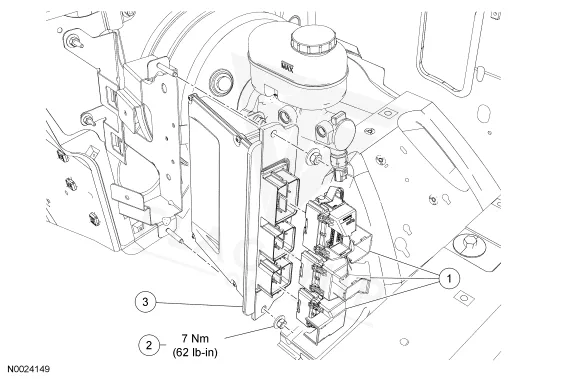
Work with the ignition off, and treat the module as static-sensitive: avoid touching the connector pins at any point.
| Operation | Configuration | Book Time |
|---|---|---|
| Powertrain Control Module R&R | 4.6L | 0.6 hr |
| Powertrain Control Module R&R | 5.4L | 0.6 hr |
| Powertrain Control Module Relearn | All configurations | 0.5 hr |
| Engine Control Module Relearn | All configurations | 0.5 hr |
| Engine Control Module R&R | 4.6L | 0.6 hr |
| Engine Control Module R&R | 5.4L | 0.6 hr |
After installing a new powertrain control module (PCM) in your 2006 Ford E-Series van, the factory procedure requires a relearn process to synchronize the module with the vehicle’s systems. This step, which typically takes 0.5 hours, ensures the PCM recognizes the engine, transmission, and emissions components, allowing for proper operation. Without this calibration, you may experience shifting issues, poor fuel economy, or even a no-start condition. However, if you opt for a VIN-programmed replacement unit, these steps are already completed before the module arrives. This means your van will be ready to drive immediately after installation, saving you time and potential frustration. Always confirm the replacement unit is programmed specifically for your van’s VIN to avoid compatibility issues.
A failing powertrain control module (PCM) in your 2006 Ford E-Series van can manifest in several ways, often mimicking other mechanical or electrical problems. One of the most common signs is a no-start condition, where the engine cranks but refuses to fire. You might also notice erratic idling, where the engine surges or stalls unexpectedly, particularly at stoplights or during low-speed driving. Hesitation or jerking during acceleration is another red flag, as the PCM struggles to manage fuel and ignition timing. In some cases, the check-engine light may illuminate, accompanied by diagnostic trouble codes like an internal processor fault. Other symptoms include poor fuel economy, transmission shifting issues, or even a complete loss of communication with a scan tool. If your van exhibits any of these behaviors, it’s worth investigating the PCM as a potential culprit, especially if no other mechanical issues are found.
The 2006 Ford E-Series van’s powertrain control module (PCM) may log specific internal trouble codes when it begins to fail. These codes can help pinpoint the issue and guide your next steps. Below is the documented code for this vehicle.
| Code | Meaning | Full Guide |
|---|---|---|
| P0606 | Module processor failure | Full P0606 guide → |
Ford has issued several service bulletins addressing powertrain-related issues in the 2006 E-Series van and similar models. TSB #05-24-01 covers instances where the check-engine light illuminates with codes P0172 and/or P0175, indicating a fuel system rich condition on the 4.6L engine. Another bulletin, #06-14-07, addresses misfire-related codes (P03XX) that may trigger the malfunction indicator light. While these bulletins focus on specific symptoms, they highlight the importance of addressing PCM-related faults promptly to avoid further complications. If your van is experiencing any of these issues, reviewing the relevant service bulletins with your mechanic may provide additional context for diagnosis and repair.
| Bulletin | Subject | What It Addresses |
|---|---|---|
| 05-24-01 | 4.6L – MIL ON DTC P0172 AND/OR P0175 | — |
| 06-14-07 | 4.6L ENGINE – DTC P03XX – MIL ON | — |
| 06-13-11 | 6.0L – MIL ON WITH DTC P0460 | — |
Common signs include a no-start condition, erratic idling, hesitation during acceleration, or a check-engine light with codes like P0606. If your van exhibits these symptoms and no mechanical issues are found, the PCM may be the culprit. A diagnostic scan can confirm internal module faults.
Replacing the PCM is a straightforward process, but it requires disconnecting the battery, removing electrical connectors, and unbolting the module. The factory estimates 0.6 hours for the physical swap, but a relearn procedure is also needed unless you use a pre-programmed unit. If you’re comfortable with basic electrical work, it’s manageable.
Skipping the relearn procedure may result in poor engine performance, shifting issues, or a no-start condition. The PCM needs to synchronize with the engine and transmission to function correctly. A pre-programmed replacement unit eliminates this step, saving you time and potential headaches.
The P0606 code indicates an internal processor fault within the PCM. This can occur due to age, voltage spikes, or moisture intrusion. If the code persists after clearing it, the module may need replacement. Always check for underlying electrical issues before assuming the PCM is faulty.
The physical replacement typically takes 0.6 hours, according to factory labor estimates. If a relearn procedure is required, that adds another 0.5 hours. Using a pre-programmed unit can reduce the total time, as the relearn step is already completed.
If your 2006 Ford E-Series van is experiencing PCM-related issues, you have a few options. A repair attempt may work for minor faults, but if the module is failing internally, replacement is often the most reliable solution. Opting for a refurbished or new PCM pre-programmed to your VIN can save you time and ensure a smooth installation. This approach eliminates the need for additional programming steps, allowing your van to return to normal operation quickly. Whether you choose to tackle the job yourself or leave it to a professional, understanding the process helps you make the best decision for your vehicle’s needs.
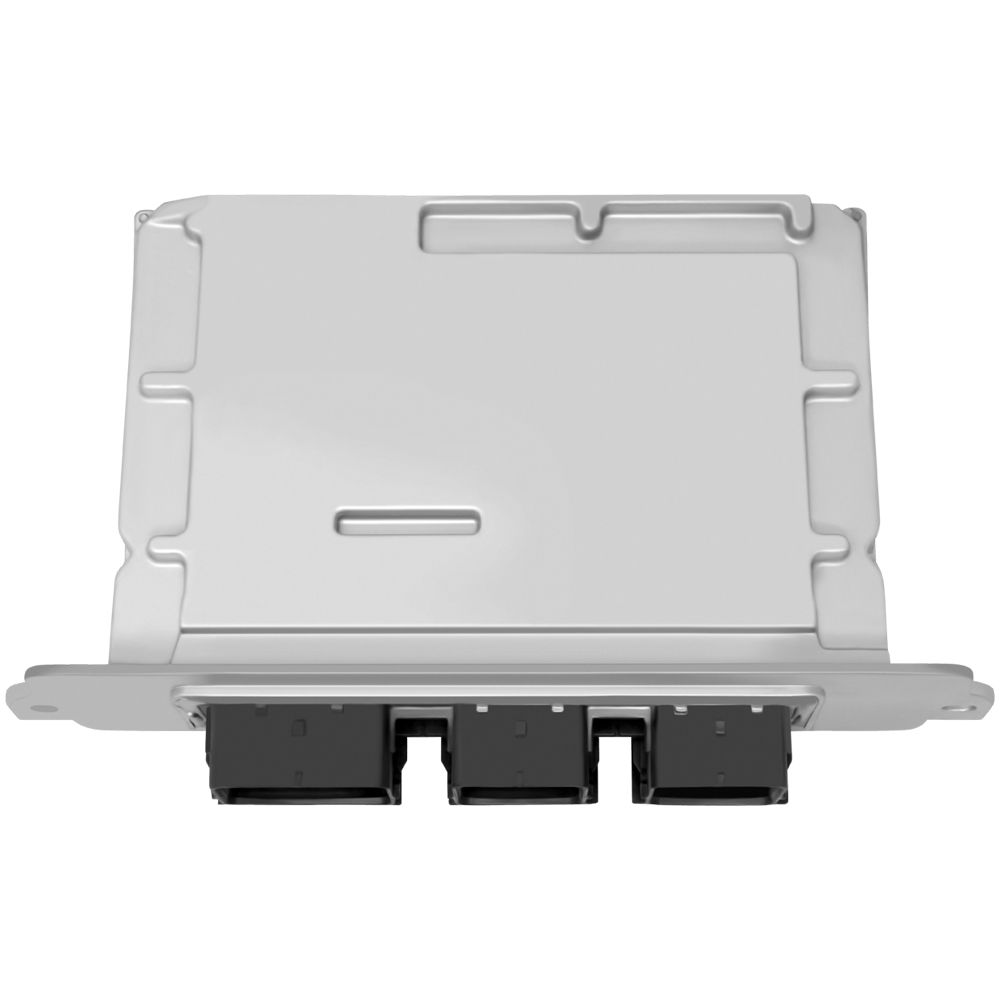
Flagship One stocks a refurbished, VIN-programmed PCM for the 2006 Ford Van (E-Series) with a lifetime warranty, free shipping and no core charge. The full Ford Van (E-Series) module lineup covers other engine configurations as well.
The powertrain control module in your 2006 Ford E-Series van plays a critical role in keeping your engine running smoothly. When it fails, the symptoms can range from subtle performance issues to a complete no-start condition. Replacing the PCM involves careful installation and, in most cases, a relearn procedure to ensure proper calibration. By addressing the issue promptly and opting for a pre-programmed replacement, you can minimize downtime and get back on the road with confidence. If you’re unsure about the diagnosis, consulting a professional can help you avoid unnecessary repairs and keep your van reliable for years to come.