
Last updated on August 25th, 2026 at 01:35 pm
The Powertrain Control Module (PCM) in your 2005 Ford F-Series 5.4L engine acts as the brain, managing fuel delivery, ignition timing, and transmission shifts. When it fails, you may experience poor performance, stalling, or a vehicle that won’t start at all.
If your 2005 Ford F-Series with the 5.4L engine is hesitating at stoplights, stalling unexpectedly, or refusing to start, the Powertrain Control Module (PCM) may be the culprit. This small but critical component acts as the command center for your engine and transmission, ensuring smooth operation by regulating fuel, spark, and shift timing. When it begins to fail, symptoms can range from subtle driveability quirks to complete immobilization. Understanding how this module functions, where it’s located, and what replacement entails can save you time and frustration. Whether you’re diagnosing a check-engine light or preparing for a repair, knowing the role of the PCM—and the steps involved in servicing it—helps you make informed decisions about your vehicle’s health. This guide covers the essentials, from common failure signs to the factory procedures required after a replacement, so you can approach the issue with confidence.
In your 2005 Ford F-Series with the 5.4L engine, the Powertrain Control Module (PCM) is the central computer responsible for managing nearly every aspect of engine performance and transmission behavior. It processes data from sensors throughout the vehicle to optimize fuel delivery, ignition timing, and shift points, ensuring efficient operation under all driving conditions. Without a properly functioning PCM, your engine may run poorly, waste fuel, or fail to start altogether. The module also plays a key role in emissions control, helping your vehicle meet regulatory standards. When replacement becomes necessary, you’ll need replacement engine computers for the F-Series that are pre-programmed to match your vehicle’s specifications. This ensures seamless integration with the engine and transmission, avoiding the need for extensive reprogramming after installation. The PCM’s importance cannot be overstated—it’s the linchpin that keeps your truck running reliably.
2005 Ford F-Series 5.4L: When Your
OEM programmed replacements — plug & play, no dealer visit.
Find yours by year, make & model →
Free shipping · Lifetime warranty
The Powertrain Control Module in your 2005 Ford F-Series is typically mounted in the engine bay, often near the firewall or fender well for protection from heat and moisture. Replacing it involves disconnecting the battery, removing the electrical connectors, and unbolting the module from its mounting bracket. According to factory labor estimates, the removal and reinstallation (R&R) process takes 0.5 hours. Once the old module is out, the new unit is secured in place, and the connectors are reattached. It’s important to ensure all connections are clean and tight to prevent future issues. The process is straightforward but requires care to avoid damaging the module or its wiring harness during installation.
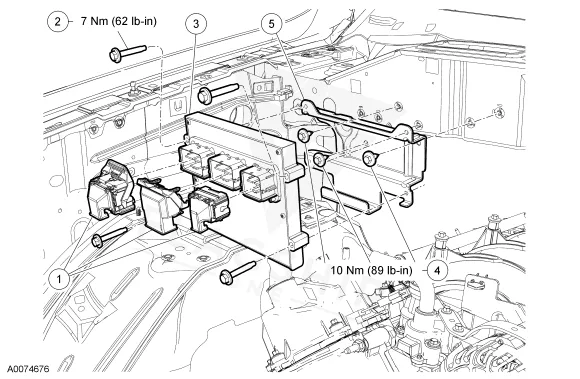
Work with the ignition off, and treat the module as static-sensitive: avoid touching the connector pins at any point.
| Operation | Configuration | Book Time |
|---|---|---|
| Powertrain Control Module R&R | All configurations | 0.5 hr |
| Powertrain Control Module Relearn | All configurations | 0.5 hr |
| Engine Control Module Relearn | All configurations | 0.5 hr |
| Engine Control Module R&R | All configurations | 0.5 hr |
After replacing the Powertrain Control Module in your 2005 Ford F-Series, the vehicle requires a relearn procedure to synchronize the new module with the engine and transmission. This process, which takes 0.5 hours according to factory labor estimates, ensures the PCM adapts to your specific vehicle’s sensors and operating conditions. Without this step, you may experience poor performance, shifting issues, or even a no-start condition. However, if you install a VIN-programmed replacement unit, these factory programming steps are already completed. This eliminates the need for additional dealer visits or specialized tools, allowing your truck to return to the road faster. The pre-programmed module arrives ready to plug in and drive, reducing downtime and ensuring a smooth transition.
When the Powertrain Control Module in your 2005 Ford F-Series 5.4L engine begins to fail, you may notice a range of symptoms that can disrupt your driving experience. One of the most common signs is a no-start condition, where the engine cranks but refuses to fire. Stalling, especially at idle or during deceleration, is another frequent issue, often accompanied by rough running or misfires. You might also experience hesitation or surging during acceleration, as the PCM struggles to regulate fuel and spark timing accurately. Transmission shifting problems, such as delayed or harsh gear changes, can also point to a failing module. On the diagnostic side, a dead scan tool—where the PCM fails to communicate with diagnostic equipment—is a clear red flag. Trouble codes like throttle control system performance or P2106 may appear, indicating internal faults within the module. These symptoms often worsen over time, so addressing them promptly can prevent more serious issues down the road.
Ford has issued several service bulletins addressing driveability and check-engine light issues in the 2005 F-Series with the 5.4L 3-valve engine. TSB 05-18-12 covers vehicles built between August 23, 2004, and January 15, 2005, that experience a Malfunction Indicator Light (MIL) with codes P061B or P2106 after a cold start and rapid transmission engagement. Another bulletin, TSB 05-19-01, applies to trucks built before April 20, 2005, and addresses various driveability conditions tied to the PCM, including stalling and poor throttle response. Additionally, TSB 05-03-11 focuses on the 4.6L engine but highlights similar symptoms—such as hesitation and codes P0172 or P0174—that may also appear in the 5.4L models built before January 31, 2005. These bulletins provide factory-recommended fixes for common module-related issues.
| Bulletin | Subject | What It Addresses |
|---|---|---|
| 05-03-11 | 4.6L ENGINE – MIL AND/OR DTCS P0172, P0175, P0171, P0174 – THROTTLE PEDAL RESPONSE/TIP IN HESIT | — |
| 05-18-12 | 5.4L 3-VALVE ENGINE – MIL ON WITH DTC P061B AND/OR P2106 AFTER COLD START AND RAPID TRANSMISSIO | — |
| 05-19-01 | 5.4L 3-VALVE ENGINE – MIL ON – VARIOUS DRIVEABILITY CONDITIONS – VEHICLES BUILT BEFORE 4/20/200 | — |
Stalling at idle or during deceleration is often linked to a failing Powertrain Control Module. The PCM regulates fuel and spark timing, and when it malfunctions, it may cut off fuel delivery or misfire, causing the engine to stall. A diagnostic scan can confirm if the module is the root cause.
Driving with a failing PCM is risky. While the vehicle may still run, symptoms like stalling, misfires, or transmission issues can worsen over time, potentially leaving you stranded. If you notice these problems, it’s best to address them promptly to avoid further damage.
A bad PCM often triggers multiple trouble codes across different systems, such as fuel, ignition, and transmission. If you’re seeing codes like P061B or P2106, or if the scan tool fails to communicate with the PCM, the module itself is likely the issue. Sensors typically generate isolated codes.
Skipping the relearn procedure can result in poor engine performance, rough shifting, or even a no-start condition. The PCM needs to adapt to your vehicle’s specific sensors and operating conditions, and without this step, it may not function correctly. Pre-programmed modules eliminate this requirement.
While there are no recalls specifically for the PCM in the 2005 F-Series, Ford has issued service bulletins addressing related driveability issues. These bulletins provide factory-recommended fixes for common problems, such as stalling or hesitation, tied to the module’s performance.
If your 2005 Ford F-Series is showing signs of a failing PCM, you have options for repair or replacement. While some shops may attempt to reflash or repair the existing module, a replacement unit ensures reliable performance without the risk of recurring issues. For those looking to minimize downtime, a pre-programmed replacement module eliminates the need for post-installation programming, allowing you to get back on the road quickly. Whether you choose a new or refurbished unit, selecting the right module for your 5.4L engine is key to restoring your truck’s drivability.
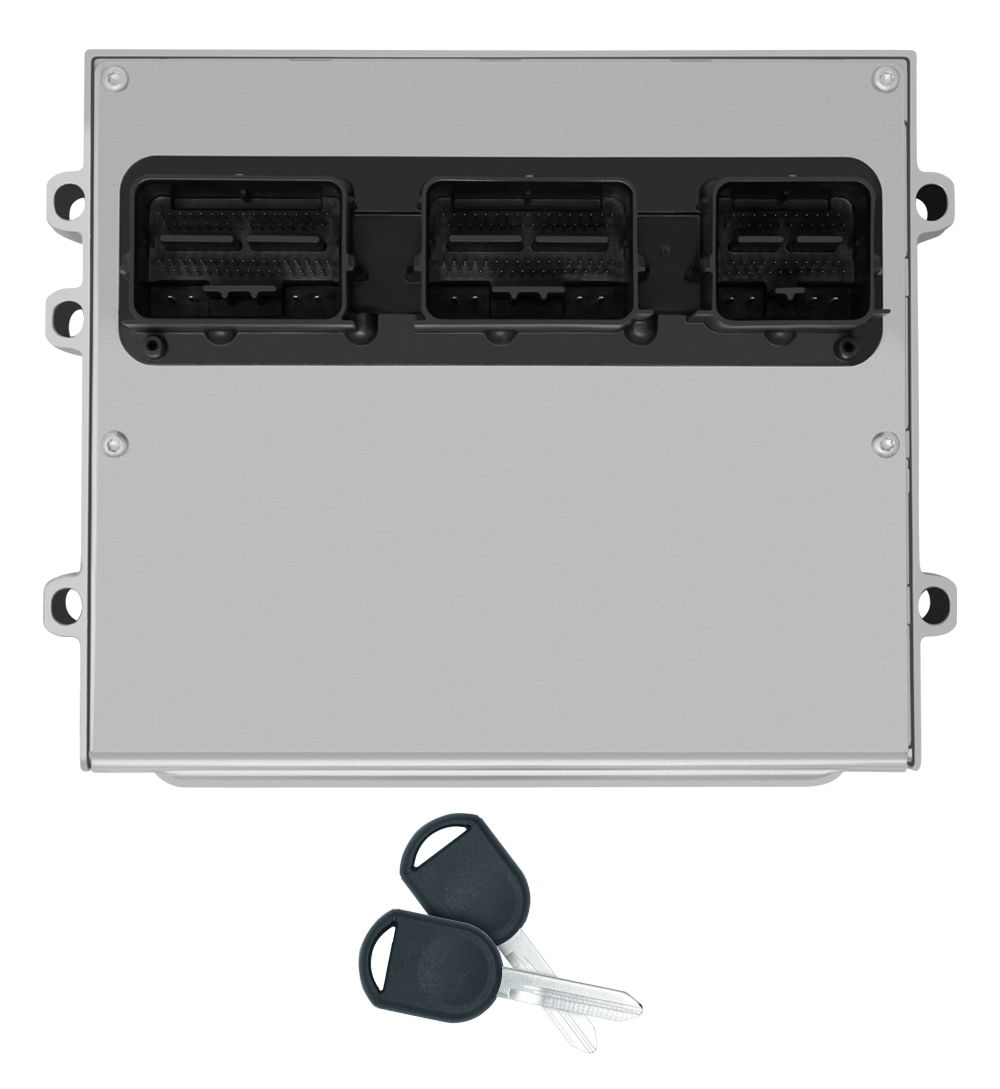
Flagship One stocks a refurbished, VIN-programmed PCM for the 2005 Ford Truck (F-Series) with a lifetime warranty, free shipping and no core charge. The full Ford Truck (F-Series) module lineup covers other engine configurations as well.
The Powertrain Control Module in your 2005 Ford F-Series 5.4L engine is a critical component that keeps your truck running smoothly. When it fails, symptoms like stalling, hesitation, or a no-start condition can disrupt your daily routine. Understanding the role of the PCM, recognizing common failure signs, and knowing what replacement involves can help you address issues efficiently. Whether you opt for a repair or a replacement, ensuring the module is properly programmed and installed will restore your vehicle’s performance and reliability. If you’re experiencing driveability problems, don’t delay—addressing the issue now can save you time and hassle down the road.