
Last updated on August 25th, 2026 at 12:23 pm
The Engine Control Module (ECM) in the 2004 Cadillac XLR manages fuel delivery, ignition timing, and emissions systems for the 4.6L Northstar V8. Failures may cause drivability issues, warning lights, or internal diagnostic trouble codes related to memory or processor faults.
If your 2004 Cadillac XLR is experiencing unexplained stalling, a no-start condition, or persistent warning lights, the Engine Control Module (ECM) may be the source. This small but critical computer manages everything from fuel injection to ignition timing for the 4.6L Northstar V8. When it fails, symptoms can range from subtle drivability quirks to complete engine shutdown. Replacing the ECM isn’t just about swapping hardware—it requires precise programming to ensure your vehicle retains important data like engine oil life and transmission fluid life. Understanding the role of this module, the labor involved, and the steps needed to restore full functionality can save you time and frustration. Whether you’re diagnosing a persistent trouble code or preparing for a replacement, knowing what to expect helps you make informed decisions about your XLR’s health.
The Engine Control Module in the 2004 Cadillac XLR serves as the brain of the engine, continuously monitoring and adjusting performance parameters for the 4.6L Northstar V8. It processes data from sensors to optimize fuel delivery, ignition timing, and emissions control, ensuring smooth operation and compliance with environmental standards. Without a functioning ECM, your vehicle may struggle to start, idle roughly, or even enter a fail-safe mode that limits power. The module also stores adaptive learning values, such as fuel trim adjustments and transmission shift patterns, which are critical for long-term drivability. When the ECM fails, it often triggers internal diagnostic trouble codes, such as memory checksum errors or processor faults, which can be misdiagnosed as sensor or wiring issues. For owners of the XLR, understanding the role of this module is key to distinguishing between minor sensor problems and more serious replacement engine computers for the Cadillac XLR failures that require immediate attention.
In the 2004 Cadillac XLR, the Engine Control Module is located in the engine compartment, typically mounted near the firewall or on the passenger side of the vehicle. Replacing the module involves disconnecting the battery to prevent electrical issues, followed by removing the module’s electrical connectors and mounting bolts. The labor time for removal and reinstallation is typically 1.4 hours, according to factory estimates. After installation, the module must undergo a relearn procedure, which adds another 0.5 hours of labor. This process ensures the ECM synchronizes with the vehicle’s other systems, such as the transmission and body control modules. While the physical replacement is straightforward, accessing the module may require removing additional components, depending on the specific layout of your XLR’s engine bay.
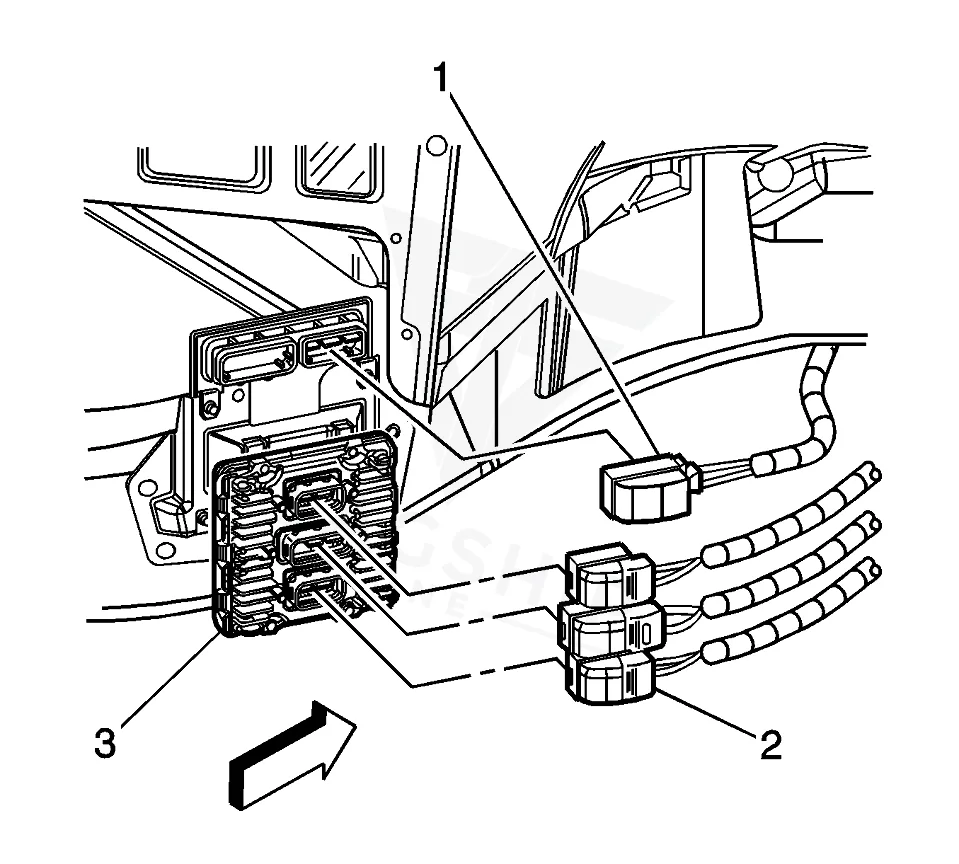
Work with the ignition off, and treat the module as static-sensitive: avoid touching the connector pins at any point.
| Operation | Configuration | Book Time |
|---|---|---|
| Powertrain Control Module R&R | All configurations | 1.4 hr |
| Powertrain Control Module Relearn | All configurations | 0.5 hr |
| Engine Control Module R&R | All configurations | 1.4 hr |
| Engine Control Module Relearn | All configurations | 0.5 hr |
2004 Cadillac XLR
OEM programmed ECM for your 2004 Cadillac XLR — plug & play, no dealer visit.
Free shipping · Lifetime warranty
After replacing the Engine Control Module in your 2004 Cadillac XLR, factory procedures require programming the new unit to match your vehicle’s specific configuration. This includes transferring critical data such as the remaining engine oil life and automatic transmission fluid life, which would otherwise default to 100% if not properly programmed. The process involves using the Service Programming System (SPS) to ensure the module communicates correctly with the rest of the vehicle’s systems. However, if you install a VIN-programmed replacement unit, these steps are already completed, saving you time and reducing the risk of errors. Without proper programming, your XLR may experience drivability issues, such as rough idling or incorrect shift patterns, so it’s essential to follow the factory procedure or opt for a pre-programmed module to avoid complications.
When the Engine Control Module in your 2004 Cadillac XLR begins to fail, symptoms can vary but often include a no-start condition, intermittent stalling, or rough idling. You may also notice the check engine light illuminating, accompanied by internal module codes like memory checksum error, which indicate faults within the ECM itself rather than external sensors or wiring. Other signs may include poor fuel economy, erratic shifting from the automatic transmission, or the vehicle entering a reduced-power mode to prevent further damage. In some cases, the ECM may fail to communicate with a scan tool, making diagnosis more challenging. These symptoms can mimic other issues, such as a failing fuel pump or ignition system, so it’s important to rule out simpler causes before concluding the ECM is at fault. If your XLR exhibits multiple drivability issues alongside internal module codes, the ECM is a likely culprit.
The codes below point to the PCM itself rather than to a sensor or circuit it monitors. Each one links through to its full diagnostic guide.
Factory service bulletins for the 2004 Cadillac XLR address specific concerns related to the Engine Control Module. Bulletin #04082 outlines a software upgrade for the fuel level sender’s on-board diagnostic system, requiring reprogramming of the ECM to resolve potential fuel gauge inaccuracies. Another bulletin, #CAS20040016, documents an engineering investigation into Powertrain Control Module (PCM) performance on Cadillac SRX and XLR models equipped with the 4.6L Northstar V8. While the bulletin does not specify a fix, it highlights potential drivability issues that may warrant ECM inspection or replacement. These bulletins underscore the importance of keeping the module’s software up to date and addressing any unusual symptoms promptly.
| Bulletin | Subject | What It Addresses |
|---|---|---|
| — | System Software Upgrade – Fuel Level Sender On-BoardDiagnostic (Reprogram Engine Control Module | — |
| — | Adm Msg – Engineering Investigation on Powertrain Control Module (PCM) on Cadillac SRX and XLR | — |
Common signs include a no-start condition, stalling, rough idling, or the check engine light with internal module codes like P0601. If your vehicle exhibits multiple drivability issues alongside these codes, the ECM may be the cause. A professional scan tool can help confirm the diagnosis.
While the physical replacement is straightforward, programming the new module requires specialized equipment and software. Without proper programming, your vehicle may not retain critical data like engine oil life, leading to drivability issues. It’s often best to leave this job to a professional.
If the replacement ECM isn’t programmed, your vehicle’s engine oil life and automatic transmission fluid life will default to 100%. This can lead to premature maintenance reminders or incorrect shift patterns, affecting long-term performance and reliability.
While there are no recalls, factory service bulletins address software updates and engineering investigations related to the ECM. These bulletins highlight potential drivability issues that may require reprogramming or replacement of the module.
Replacement typically takes 1.4 hours of labor, with an additional 0.5 hours for the relearn procedure. Programming time may vary depending on the equipment used and the specific requirements of your vehicle.
If your 2004 Cadillac XLR is experiencing ECM-related issues, you have options for repair or replacement. While a dealership can provide a new module and programming, this route may come with higher costs and longer wait times. Alternatively, a refurbished or remanufactured replacement unit can offer a cost-effective solution without sacrificing quality. For owners who prefer a hassle-free experience, choosing a VIN-programmed module ensures your XLR retains all critical data and operates as intended from the moment of installation.
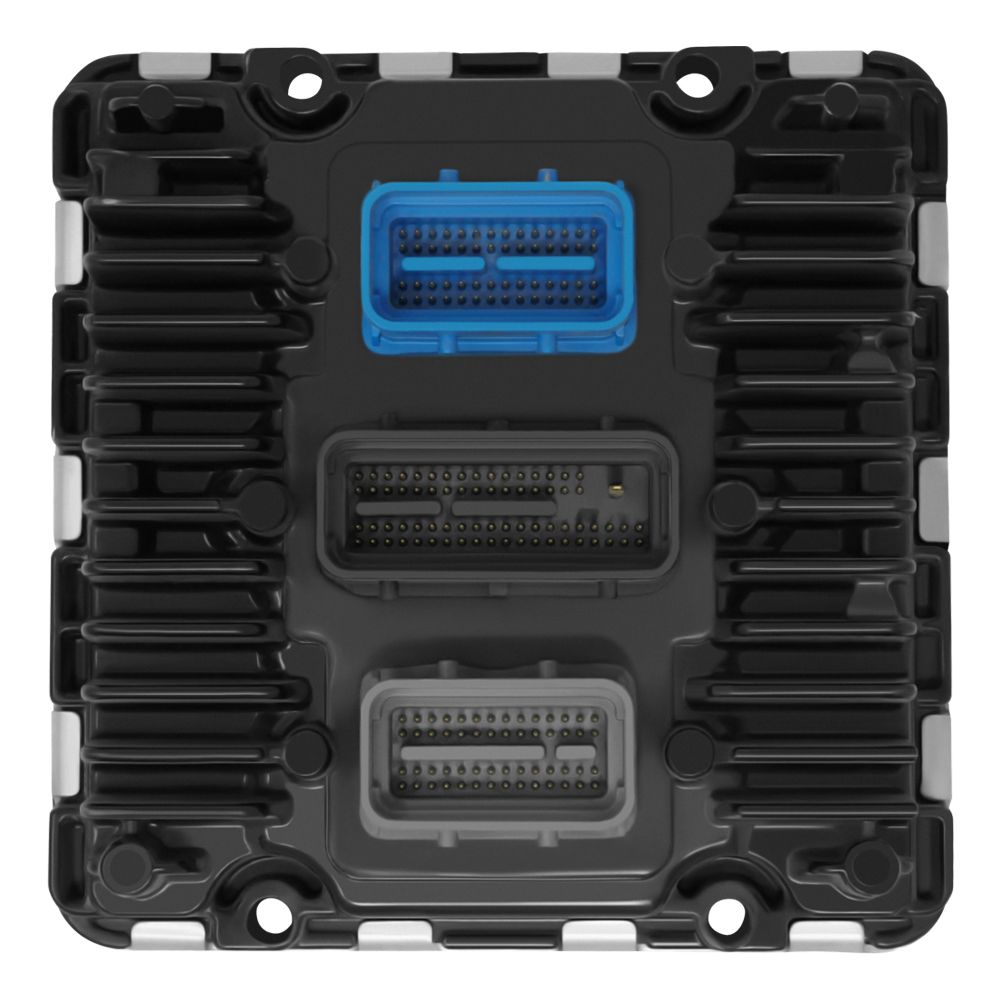
Flagship One stocks a refurbished, VIN-programmed PCM for the 2004 Cadillac XLR with a lifetime warranty, free shipping and no core charge. The full Cadillac XLR module lineup covers other engine configurations as well.
The Engine Control Module in your 2004 Cadillac XLR plays a vital role in maintaining smooth and reliable performance. Whether you’re dealing with a no-start condition, persistent trouble codes, or drivability issues, understanding the symptoms and replacement process can help you make informed decisions. By addressing ECM problems promptly and opting for a properly programmed replacement, you can restore your XLR’s performance and avoid future complications. If you suspect your module is failing, consult a professional to explore your options and keep your vehicle running at its best.