
Last updated on August 25th, 2026 at 01:01 pm
The Engine Control Module (ECM) in your 2003 Audi allroad manages fuel injection, ignition timing, and turbo boost for the 2.7L V6. Failures may cause erratic engine behavior, poor performance, or complete no-start conditions.
If your 2003 Audi allroad has been acting unpredictably—stalling at stops, hesitating under acceleration, or refusing to start—your engine computer may be the culprit. The ECM, or Engine Control Module, is the brain behind your allroad’s 2.7L twin-turbo V6, regulating everything from fuel delivery to ignition timing. When it malfunctions, the symptoms can range from subtle performance quirks to complete engine shutdowns. Understanding how this module works, where it’s located, and what replacement involves can save you time and frustration. This guide covers the essentials: what the ECM does, how to spot failure signs, and why choosing a pre-programmed unit can streamline the repair process. Whether you’re diagnosing an issue or preparing for a replacement, you’ll find practical insights tailored specifically to your allroad’s needs.
The Engine Control Module in your 2003 Audi allroad is a sophisticated replacement engine computers for the allroad that oversees nearly every aspect of engine performance. It continuously monitors data from sensors throughout the engine bay, adjusting fuel injection, ignition timing, and turbo boost to optimize power and efficiency. For a turbocharged vehicle like the allroad, precise control is critical to prevent detonation, manage heat, and ensure smooth operation under varying loads. The ECM also communicates with the transmission control module to coordinate shifting, particularly in quattro-equipped models where all-wheel-drive dynamics come into play. When this module fails, it may disrupt these processes, leading to symptoms like rough idling, reduced power, or even a complete loss of engine control. Because the allroad’s ECM is tailored to its specific engine and drivetrain configuration, using a model-matched replacement is essential for restoring proper function. Without it, your vehicle may struggle to meet emissions standards or deliver the performance you expect from this versatile wagon.
2003 Audi allroad
OEM programmed ECM for your 2003 Audi allroad — plug & play, no dealer visit.
Free shipping · Lifetime warranty
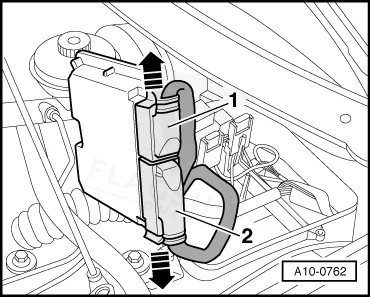
In the 2003 Audi allroad, the ECM is located in the engine bay, typically mounted near the firewall or on the passenger-side strut tower. Accessing it requires removing the plastic engine cover and possibly disconnecting nearby components like the air intake or battery. Replacement involves unplugging the wiring harness, removing the mounting bolts, and installing the new unit. According to factory labor estimates, this process takes about 1.1 hours for the allroad. While the physical swap is straightforward, proper handling is important—avoid touching the connectors or circuit boards to prevent static damage. Once installed, the module must be reset or programmed to sync with your vehicle’s systems, a step that ensures all sensors and actuators communicate correctly. Wiring diagrams and troubleshooting guides are available to assist with diagnosing issues or verifying connections during the process.
| Operation | Configuration | Book Time |
|---|---|---|
| Engine Control Module Reset | A6 | 0.3 hr |
| Engine Control Module Reset | A6 Quattro | 0.3 hr |
| Engine Control Module Reset | RS6 | 0.3 hr |
| Engine Control Module Reset | S6 | 0.3 hr |
| Engine Control Module R&R | A6 | 1.2 hr |
| Engine Control Module R&R | A6 Quattro | 1.2 hr |
| Engine Control Module R&R | Allroad Quattro | 1.1 hr |
| Engine Control Module R&R | RS6 | 1.2 hr |
After replacing the ECM in your 2003 Audi allroad, the factory procedure requires a reset or reprogramming to ensure the new module communicates properly with the engine and transmission systems. This step is critical because the ECM stores vehicle-specific data, including fuel maps, ignition timing curves, and emissions calibrations tailored to your allroad’s 2.7L turbocharged engine. Without this programming, the engine may run poorly or fail to start. However, if you opt for a VIN-programmed replacement unit, this step is already completed before the module arrives. The unit is pre-loaded with the correct software and calibrations for your vehicle, eliminating the need for a dealership visit or specialized scan tool. This not only saves time but also reduces the risk of programming errors that could lead to further issues. Always confirm the replacement unit is matched to your allroad’s exact model year and engine code to avoid compatibility problems.
When the ECM in your 2003 Audi allroad begins to fail, the symptoms can vary widely, often mimicking other mechanical or electrical issues. One of the most common signs is a no-start condition, where the engine cranks but refuses to fire. This may occur intermittently, sometimes resolving after the vehicle sits for a while. Stalling at idle or during deceleration is another frequent complaint, particularly in stop-and-go traffic. You might also notice erratic engine behavior, such as sudden surges in RPM or hesitation under acceleration, which can be especially concerning in a turbocharged vehicle like the allroad. Misfire codes, such as an internal control module memory checksum error, may appear on your scan tool, indicating the ECM is struggling to process data correctly. In some cases, the transmission may shift harshly or fail to engage gears properly, as the ECM plays a role in coordinating with the transmission control module. Dead communication with a scan tool is another red flag, suggesting the ECM is no longer responding to diagnostic requests. If you experience any of these symptoms, it’s worth investigating the ECM as a potential cause, especially if other common issues like spark plugs, fuel pumps, or sensors have been ruled out.
Factory service bulletins for the 2003 Audi allroad address specific ECM-related issues, particularly those involving the Motronic power supply relay (J271). If diagnostic tests reveal no faults in the wiring or sensors, Audi’s recommended procedure is to replace this relay as a first step. While the bulletins do not provide a specific number, they emphasize the importance of verifying power supply integrity before condemning the ECM itself. This relay is responsible for delivering stable voltage to the module, and a failing relay can cause symptoms identical to ECM failure, such as stalling or no-start conditions. Always check for updated bulletins if you’re diagnosing an intermittent issue, as later revisions may include additional troubleshooting steps or part updates.
Stalling at stops in your allroad may be linked to a failing ECM, particularly if the module is struggling to maintain idle control. The ECM regulates fuel delivery and ignition timing, and if it loses communication with the idle air control valve or throttle position sensor, the engine may shut off unexpectedly. Check for trouble codes and inspect the power supply relay before assuming the ECM is at fault.
Replacing the ECM in your allroad is physically straightforward, but it requires careful handling to avoid static damage. The module is located in the engine bay, and the process typically takes about 1.1 hours. However, the factory requires a reset or reprogramming after installation, which may necessitate a visit to a dealership or a shop with the proper scan tool unless you use a VIN-programmed replacement unit.
ECM failures in the allroad can stem from several sources, including voltage spikes from a weak battery or faulty alternator, corrosion in wiring connectors, or moisture intrusion. Over time, heat and vibration can also degrade the module’s internal components. The Motronic power supply relay (J271) is a common culprit, as a failing relay can cause intermittent power loss to the ECM, mimicking module failure.
Diagnosing an ECM issue in your allroad involves ruling out other potential causes first. Start by checking for trouble codes, as the ECM may log specific faults like P0601. Inspect the power supply relay and wiring harness for signs of damage or corrosion. If the vehicle stalls, hesitates, or fails to start but no other mechanical issues are found, the ECM may be the problem. A professional scan tool can also test the ECM’s communication with the engine’s sensors.
A used ECM from another allroad may physically fit, but it is unlikely to work without reprogramming. The ECM stores vehicle-specific data, including VIN information, fuel maps, and emissions calibrations. Without reprogramming, the used module may cause drivability issues or fail to communicate with the engine and transmission systems. A VIN-programmed replacement unit is the most reliable option to ensure compatibility.
If your 2003 Audi allroad is exhibiting signs of ECM failure, you have a few repair options to consider. A dealership or independent shop can diagnose and replace the module, though labor and programming costs can add up. Alternatively, a refurbished or new replacement unit, particularly one that arrives VIN-programmed, can simplify the process and reduce downtime. Given the allroad’s age, ensuring the replacement module is matched to your vehicle’s exact specifications is critical for restoring reliable performance. Weigh the cost of a professional diagnosis against the convenience of a pre-programmed unit to determine the best path forward for your situation.
Flagship One stocks a refurbished, VIN-programmed PCM for the 2003 Audi allroad with a lifetime warranty, free shipping and no core charge. The full Audi allroad module lineup covers other engine configurations as well.
The ECM in your 2003 Audi allroad plays a vital role in keeping your turbocharged wagon running smoothly. Whether you’re dealing with stalling, no-start conditions, or erratic engine behavior, understanding the module’s function and failure signs can help you make informed repair decisions. If replacement becomes necessary, opting for a VIN-programmed unit can save time and hassle, ensuring your allroad returns to the road with minimal disruption. Regular maintenance and prompt attention to warning signs will help protect this critical component and extend its lifespan.