
Last updated on August 25th, 2026 at 12:29 pm
The powertrain control module in the 2000 Pontiac Grand Prix manages engine timing, fuel delivery and transmission shift strategy. When the PCM fails, the vehicle may lose power, trigger multiple diagnostic codes and exhibit erratic shifting, often requiring removal and replacement of the unit.
If your 2000 Pontiac Grand Prix is showing a loss of power, unexpected shifting changes, or a series of PCM‑related diagnostic codes, the powertrain control module may be at fault. Understanding how the PCM functions, where it is located, and what the factory service procedures entail can help you decide whether to pursue a repair or a replacement. This guide explains the role of the PCM in this model, outlines the steps required to remove and reinstall the unit, and highlights the programming and preventative measures that keep the module operating reliably. By the end, you will know what to expect during service and how to protect the new or refurbished PCM in your vehicle.
In the 2000 Pontiac Grand Prix the powertrain control module acts as the brain for both the engine and the automatic transmission. It receives input from sensors such as the crankshaft position, throttle position and vehicle speed, then calculates fuel injection timing, ignition spark and shift points to meet performance and emissions goals. Because it coordinates engine and transmission behavior, a malfunction can affect drivability, fuel economy and emissions compliance. The module is essential for maintaining smooth acceleration, proper gear changes and safe idle quality. When the PCM fails, the vehicle may enter limp‑mode, generate multiple fault codes and lose communication with diagnostic tools. replacement powertrain control modules for the 2000 Pontiac Grand Prix are designed to match the original specifications and restore full system control.
The PCM for the 2000 Pontiac Grand Prix is mounted next to the air cleaner assembly, making it reachable from the engine bay without removing major components. Factory labor times list 0.9 hours for removal and another 0.9 hours for reinstall, reflecting the straightforward access path. The procedure begins by disconnecting the battery and ensuring the ignition is off to avoid internal damage to the module. After the PCM connector is released, the unit can be withdrawn from its bracket. Installation reverses the steps, with careful reconnection of the PCM harness and verification that the connector pins seat fully. The factory cautions that the ignition must remain off while the PCM connector is handled to protect the internal circuitry.
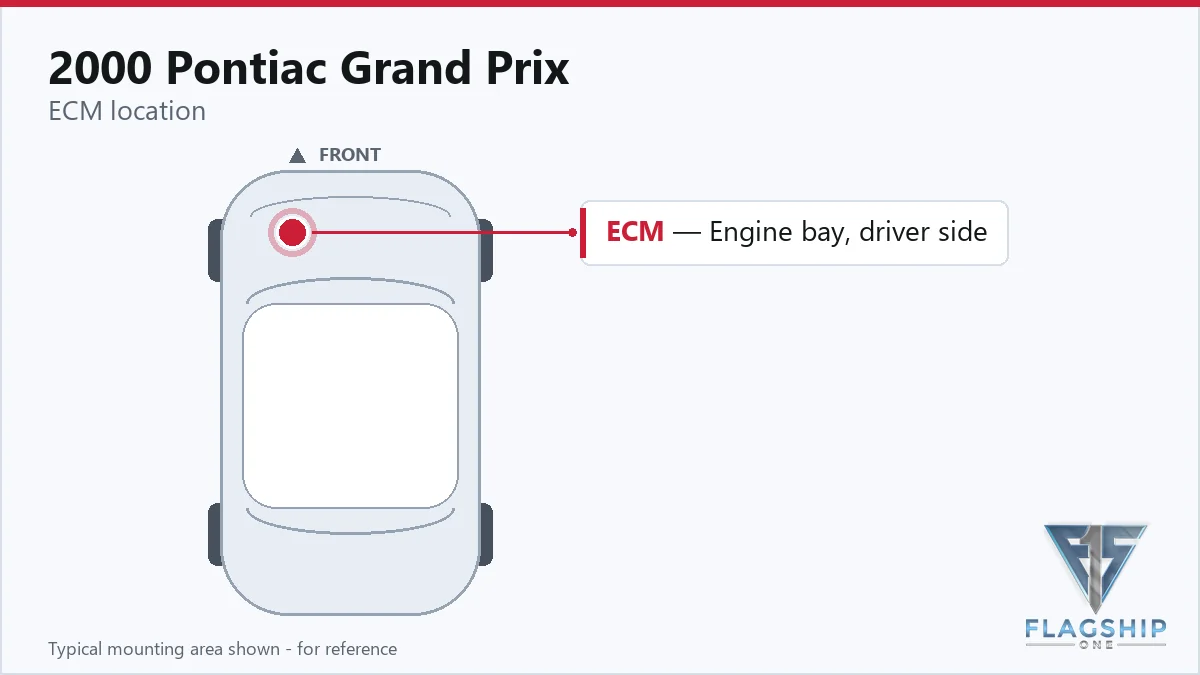
Work with the ignition off, and treat the module as static-sensitive: avoid touching the connector pins at any point.
| Operation | Configuration | Book Time |
|---|---|---|
| Engine Control Module R&R | All configurations | 0.9 hr |
| Engine Control Module Relearn | All configurations | 0.5 hr |
| Powertrain Control Module Relearn | All configurations | 0.5 hr |
| Powertrain Control Module R&R | One | 0.9 hr |
2000 Pontiac Grand Prix
OEM programmed ECM for your 2000 Pontiac Grand Prix — plug & play, no dealer visit.
Free shipping · Lifetime warranty
After the PCM is replaced, the factory service sequence calls for a relearn of the engine control module for 0.5 hours and a separate relearn of the powertrain control module for another 0.5 hours. Those procedures re‑establish sensor baselines and transmission shift strategies. Flagship One units arrive pre‑programmed to the vehicle identification number, so the relearn steps are already completed at the factory. a VIN‑programmed replacement unit therefore eliminates the need for on‑site coding, allowing the installer to focus on mechanical connection and final verification.
When the PCM in a 2000 Pontiac Grand Prix begins to fail, owners often notice a loss of power during acceleration, rough idle, or the transmission shifting erratically. The check engine light may flash and a scan tool can reveal multiple fault codes, including communication failures and sensor mismatches. One common code is CPU internal error, which indicates a problem inside the module’s processor. Other signs include intermittent stalling, unexpected gear changes, and a complete loss of engine control that prevents the vehicle from starting. These symptoms typically worsen as the module’s internal memory degrades, making early diagnosis important.
The following internal diagnostic codes have been recorded for the 2000 Pontiac Grand Prix PCM:
Service bulletin #99-06-04-053, dated Oct 26 1999, provides information on PCM reprogramming procedures and notes the importance of preserving freeze‑frame data during diagnosis.
| Bulletin | Subject | What It Addresses |
|---|---|---|
| 99-06-04-053 | Info – PCM Reprogramming – (Oct 26, 1999) | — |
Common indicators include loss of power, erratic transmission shifts, a persistent check engine light and diagnostic codes such as P0601 that point to internal processor issues.
A standard scan tool is required to capture freeze‑frame data before removal, and basic hand tools are sufficient for disconnecting the PCM connector and mounting the new unit.
Factory guidelines call for engine and powertrain control module relearn procedures, each typically taking about half an hour, but a VIN‑programmed Flagship One unit already includes those calibrations.
If you are comfortable working with electrical connectors, observing ignition‑off safety steps, and have access to a scan tool for data capture, a DIY replacement is feasible; otherwise a qualified technician can ensure proper handling.
Labor estimates indicate roughly 0.9 hours for removal and another 0.9 hours for reinstall, plus additional time for any required relearn procedures.
When the PCM in your 2000 Pontiac Grand Prix needs attention, you can choose a factory‑repaired unit or a refurbished replacement that meets original specifications. Both options restore full engine and transmission control, but a refurbished Flagship One module arrives pre‑programmed, removing the need for on‑site coding and reducing downtime.
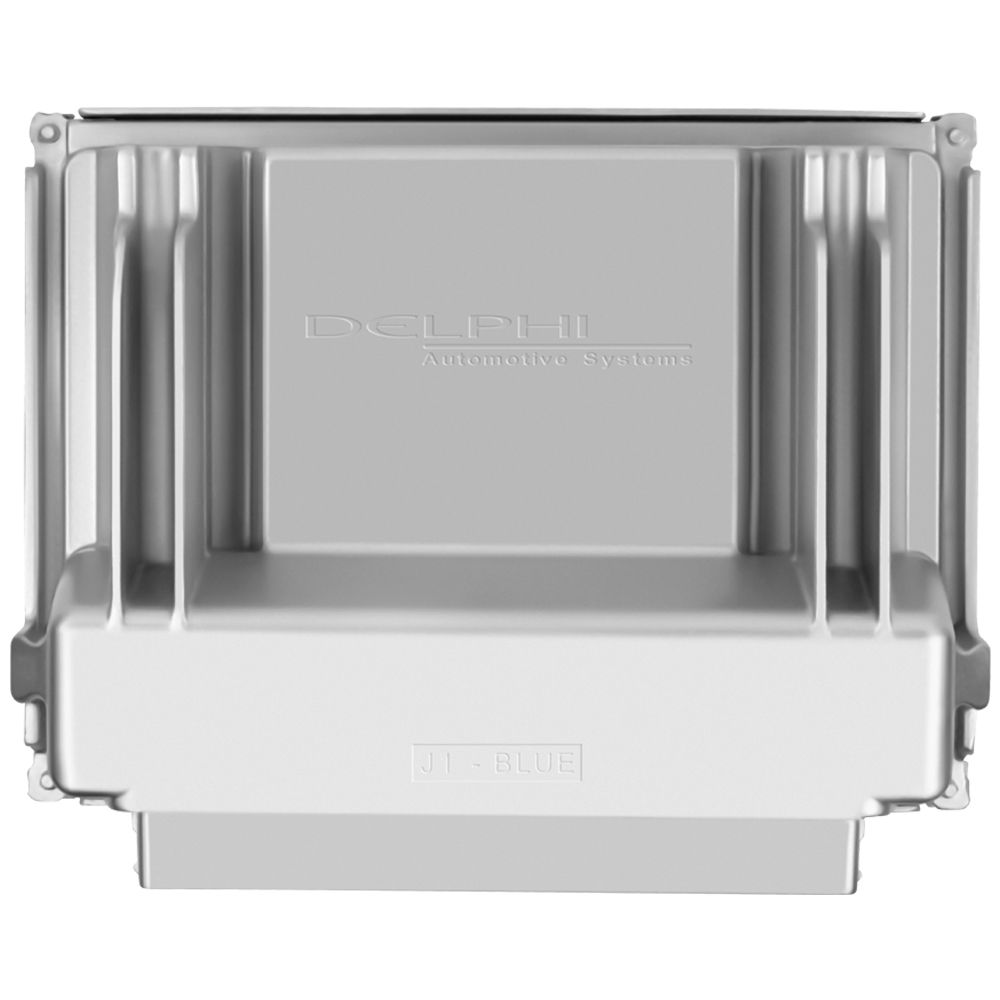
Flagship One stocks a refurbished, VIN-programmed PCM for the 2000 Pontiac Grand Prix with a lifetime warranty, free shipping and no core charge. The full Pontiac Grand Prix module lineup covers other engine configurations as well.
Replacing the PCM in a 2000 Pontiac Grand Prix can resolve power loss, shifting issues and related diagnostic codes. By following the factory cautions, using the correct labor steps and considering a pre‑programmed replacement, you help ensure reliable performance for years to come.