
Last updated on August 25th, 2026 at 01:13 pm
The Powertrain Control Module in a 2000 GMC Sierra manages engine and transmission functions, interpreting sensor data to control fuel, spark, and shifting. Failure typically results from internal EEPROM loss, causing loss of calibration and error codes such as P0601 or P0602.
When a 2000 GMC Sierra experiences erratic powertrain behavior, the PCM often becomes the focus of diagnosis. You may notice no‑start conditions, rough idle, or unexpected shift patterns, prompting a look at the module. This guide explains what the PCM does in this particular truck, how to locate and replace it, and which factory cautions you should observe to keep the replacement process safe. By the end, you will understand the labor involved, the programming requirements, and how Flagship One units simplify the job, helping you decide between a new or refurbished solution.
The Powertrain Control Module in the 2000 GMC Sierra acts as the brain that coordinates engine timing, fuel delivery, and transmission shift logic. It continuously reads inputs from sensors such as the crankshaft position, throttle position, and transmission speed, then issues commands to actuators to keep the vehicle running smoothly. Because it stores critical calibration data in EEPROM, any loss of that memory can cause the engine to run poorly or not start at all. Maintaining a functional PCM is essential for meeting emissions standards and preserving fuel efficiency. The module also tracks engine oil life, which influences maintenance reminders. For owners seeking a direct swap, replacement powertrain control modules for the 2000 GMC Sierra provide a ready‑made solution without the need for re‑calibration of core parameters.
The PCM in the 2000 GMC Sierra is mounted within the engine compartment, typically attached near the battery and fuse block. Removal involves disconnecting the battery cable, ensuring the ignition is off, and then unplugging the PCM pigtail and any related fuse or jumper connections. Labor time for a Sierra 1500 or 2500 model is listed as 1.4 hours, reflecting the steps needed to access the module and secure it with the appropriate fasteners. After the old unit is removed, the replacement is positioned, bolted in place, and the electrical connectors are re‑attached. A final verification of torque values is recommended if they are specified in the service manual, though specific torque figures are not provided here.
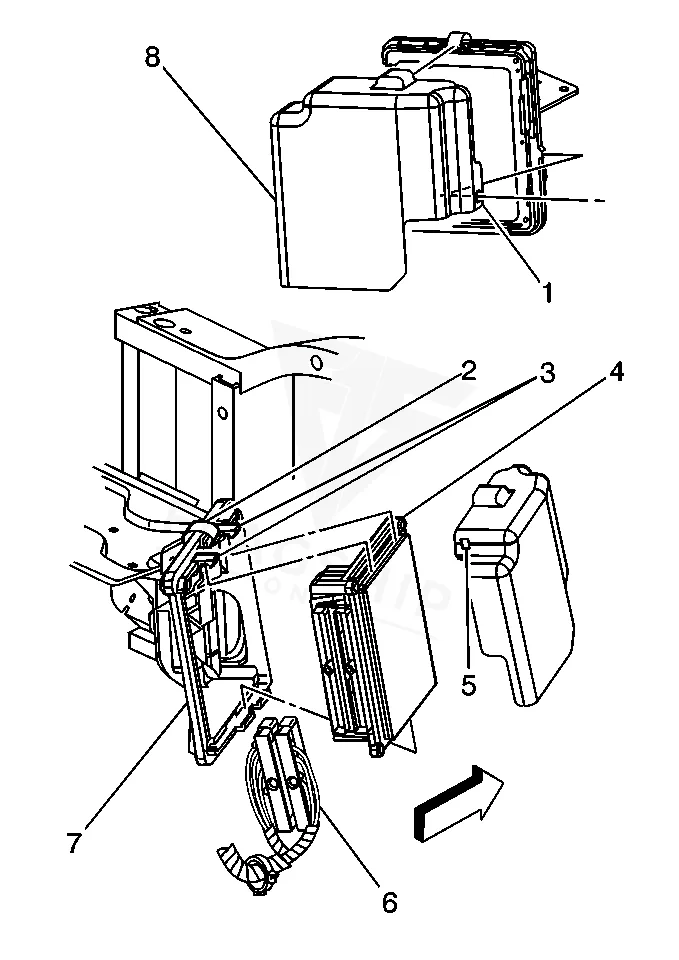
Work with the ignition off, and treat the module as static-sensitive: avoid touching the connector pins at any point.
| Operation | Configuration | Book Time |
|---|---|---|
| Powertrain Control Module R&R | GAS | 0.8 hr |
| Powertrain Control Module R&R | DIESEL | 1.4 hr |
| Powertrain Control Module R&R | Sierra 1500 | 1.4 hr |
| Powertrain Control Module R&R | Sierra 2500 | 1.4 hr |
| Powertrain Control Module Relearn | C2500 | 0.5 hr |
| Powertrain Control Module Relearn | C3500 | 0.5 hr |
| Powertrain Control Module Relearn | Sierra 1500 | 0.5 hr |
| Powertrain Control Module Relearn | Sierra 2500 | 0.5 hr |
2000 GMC Sierra
OEM programmed ECM for your 2000 GMC Sierra — plug & play, no dealer visit.
Free shipping · Lifetime warranty
Following PCM replacement, the factory procedure requires a relearn operation to restore engine oil life and verify EEPROM integrity. The vehicle’s service guide notes a PCM relearn step that takes about 0.5 hours for Sierra models. Flagship One units arrive already VIN‑programmed, which means the EEPROM data and oil‑life information are pre‑loaded, eliminating the need for the technician to perform the relearn manually. This reduces the risk of encountering DTC P0601 or P0602 after installation and streamlines the overall repair process. Using a VIN-programmed replacement unit ensures the module is ready for immediate operation.
When the PCM in a 2000 GMC Sierra fails, you may encounter a range of symptoms that point to a loss of control over engine and transmission functions. Common signs include a complete no‑start condition, intermittent stalling while driving, rough idle, and the appearance of misfire‑related codes. Scan‑tool communication can be lost, preventing real‑time data retrieval. Shifting may become erratic or stuck in a single gear, and the dashboard may display warning lights. In many cases, the diagnostic trouble code PCM EEPROM not programmed appears, indicating that the module’s internal memory is either blank or corrupted. Prompt attention to these symptoms can prevent further drivetrain damage.
The following internal trouble codes are documented for the 2000 GMC Sierra PCM:
Factory labor guidelines list about 1.4 hours for removing and installing the PCM on Sierra 1500 and 2500 variants.
The factory procedure includes a relearn step of roughly 0.5 hours, but a VIN‑programmed replacement from Flagship One already contains the necessary data.
Codes P0601 and P0602 are typical indicators that the PCM’s EEPROM is unprogrammed or malfunctioning.
Yes, if the replacement PCM lacks the transferred oil‑life value, the system will reset the oil life to 100 percent.
Factory cautions advise that the ignition must be off when disconnecting power to the PCM to avoid internal damage.
When the PCM in your 2000 GMC Sierra needs attention, you can choose a brand‑new unit or a refurbished replacement that meets factory specifications. Both options require the same removal steps and post‑install cautions, but a Flagship One VIN‑programmed part removes the need for additional relearn procedures, saving time and reducing the chance of error.
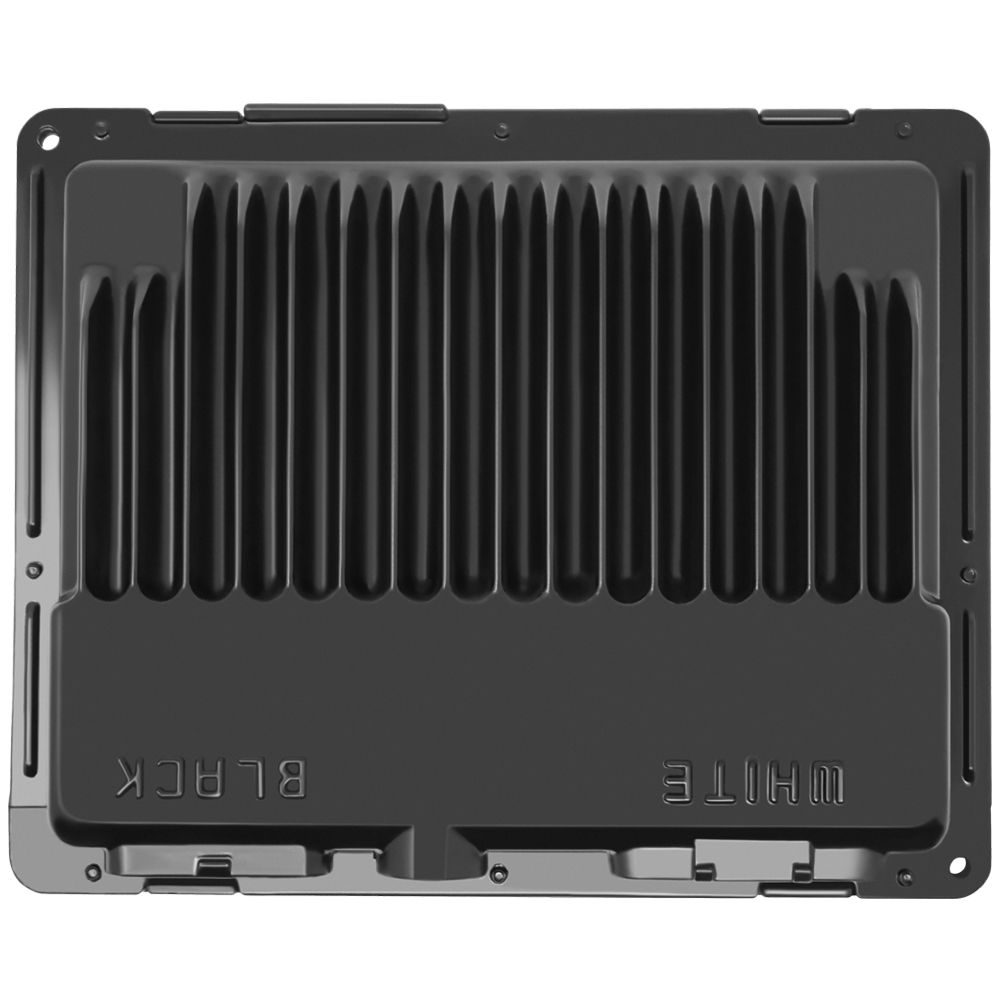
Flagship One stocks a refurbished, VIN-programmed PCM for the 2000 GMC Sierra with a lifetime warranty, free shipping and no core charge. The full GMC Sierra module lineup covers other engine configurations as well.
Replacing the PCM in a 2000 GMC Sierra involves careful handling, adherence to factory cautions, and attention to post‑install programming. Whether you opt for a new or refurbished module, following these guidelines helps ensure reliable performance and protects your investment.