
Last updated on August 25th, 2026 at 01:29 pm
The Powertrain Control Module (PCM) in your 1999 GMC Sonoma manages engine and transmission functions by processing sensor data. Failure may cause erratic performance, stalling, or failure to start, often due to internal faults or electrical damage.
If your 1999 GMC Sonoma is experiencing unexplained stalling, rough idling, or a no-start condition, the Powertrain Control Module (PCM) may be at fault. This critical component acts as the brain of your vehicle’s engine and transmission, coordinating fuel delivery, ignition timing, and shift points. When it fails, symptoms can range from subtle drivability issues to complete immobilization. Understanding its role, location, and the steps required for replacement helps you make informed decisions about repairs. This guide covers what the PCM does, where to find it, and how to protect it from damage during service or everyday use.
In your 1999 GMC Sonoma, the Powertrain Control Module (PCM) integrates engine and transmission control into a single unit. It processes data from sensors to optimize fuel injection, spark timing, and shift scheduling, ensuring smooth operation and emissions compliance. A malfunctioning PCM may disrupt these functions, leading to poor performance or failure to start. If replacement becomes necessary, you’ll need a replacement engine computer for the GMC Sonoma that matches your vehicle’s specifications. The module’s precise calibration is essential for maintaining drivability and meeting factory performance standards.
The PCM in your 1999 GMC Sonoma is typically mounted either under the hood or behind the instrument panel. Replacement labor times vary by location: 1.0 hours for under-hood access or 1.8 hours if the module is behind the dashboard. The process involves disconnecting the battery, removing the module’s electrical connectors, and unbolting the unit from its mount. Always ensure the ignition is off before disconnecting power to avoid internal damage. No specialized tools are required, but care must be taken to avoid electrostatic discharge when handling the module or its connectors.
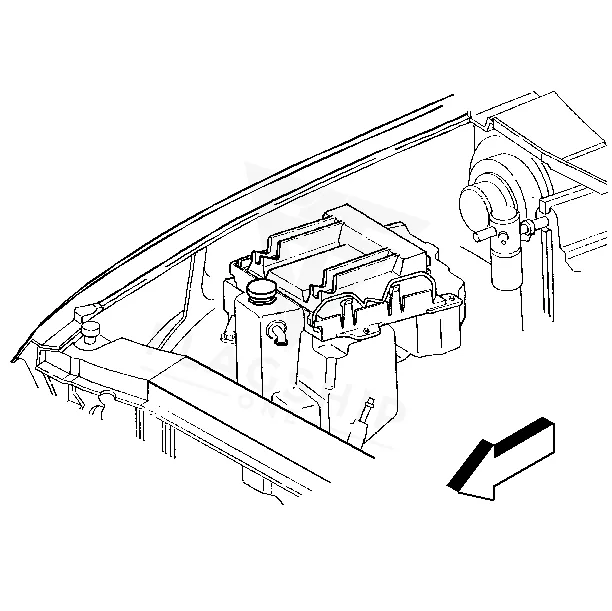
Work with the ignition off, and treat the module as static-sensitive: avoid touching the connector pins at any point.
| Operation | Configuration | Book Time |
|---|---|---|
| Powertrain Control Module R&R | Under Hood | 1.0 hr |
| Powertrain Control Module R&R | Under Inst. Panel | 1.8 hr |
| Powertrain Control Module Relearn | All configurations | 0.5 hr |
| Engine Control Module Relearn | All configurations | 0.5 hr |
| Engine Control Module R&R | Under Hood | 1.0 hr |
| Engine Control Module R&R | Under Inst. Panel | 1.8 hr |
1999 GMC Sonoma
OEM programmed ECM for your 1999 GMC Sonoma — plug & play, no dealer visit.
Free shipping · Lifetime warranty
After installing a new PCM in your 1999 GMC Sonoma, the factory requires a 0.5-hour relearn procedure to synchronize the module with the vehicle’s systems. This step ensures proper communication with sensors and actuators. However, if you opt for a VIN-programmed replacement unit, this procedure is already completed, saving time and reducing the risk of calibration errors. Always follow factory guidelines for power disconnection and reconnection to prevent damage during installation.
A failing PCM in your 1999 GMC Sonoma may cause a range of symptoms, including intermittent stalling, rough idling, or a no-start condition. You might also notice erratic shifting, poor fuel economy, or the illumination of the check engine light. In some cases, the vehicle may enter a fail-safe mode, limiting performance to protect the engine. Specific trouble codes, such as internal control module memory checksum error, often point to internal module faults. If your scan tool fails to communicate with the PCM, the module itself may be the issue.
The 1999 GMC Sonoma’s PCM may log specific internal trouble codes when faults occur. These codes help diagnose issues related to the module’s memory, programming, or electrical connections. Reviewing them can clarify whether the PCM is the root cause of drivability problems.
| Code | Meaning | Full Guide |
|---|---|---|
| P0601 | Internal memory checksum error | Full P0601 guide → |
| P0602 | Control module programming error | Full P0602 guide → |
| P1621 | Control module long-term memory performance | Full P1621 guide → |
| P1626 | Module-internal fault | — |
| P1631 | Module-internal fault | — |
| P1632 | Module-internal fault | — |
Factory service bulletins for the 1999 GMC Sonoma address PCM-related concerns, including reprogramming procedures and connector kit updates. Bulletin #99-06-04-053 outlines PCM reprogramming guidelines, while #83-81-32 introduces new connector service kits for improved reliability. Bulletin #02-06-04-057E provides labor operation assignments for control module reprogramming, ensuring consistent service practices. These bulletins highlight the importance of proper installation and programming to avoid recurring issues.
| Bulletin | Subject | What It Addresses |
|---|---|---|
| 99-06-04-053 | Info – PCM Reprogramming – (Oct 26, 1999) | — |
| 83-81-32 | INFO – NEW PCM CONNECTOR SERVICE KITS – (Sep 16, 1998) | — |
| 02-06-04-057 | Warranty Admin. – Labor Operation Assignments for All Control Module Reprogramming – (Mar 2, 20 | — |
Intermittent stalling in your Sonoma may stem from a failing PCM, especially if accompanied by other symptoms like rough idling or trouble codes. The module controls critical engine functions, and internal faults can disrupt fuel delivery or ignition timing. A diagnostic scan can confirm whether the PCM is the issue.
If your Sonoma exhibits persistent drivability issues, fails to start, or logs internal PCM trouble codes like P0601, replacement is often the most reliable solution. Repair attempts may not address underlying electronic faults, leading to recurring problems. A professional diagnosis can determine the best course of action.
Replacing the PCM is technically possible if you’re comfortable working with vehicle electronics, but it requires careful handling to avoid damage. The factory also mandates a relearn procedure after installation, which may require specialized tools. If you’re unsure, professional assistance ensures proper installation and programming.
If your 1999 GMC Sonoma’s PCM is confirmed as the source of drivability issues, you have options for replacement. A new or refurbished module can restore reliable performance, but programming must match your vehicle’s specifications. Given the labor involved, choosing a pre-programmed unit may save time and reduce the risk of calibration errors during installation.
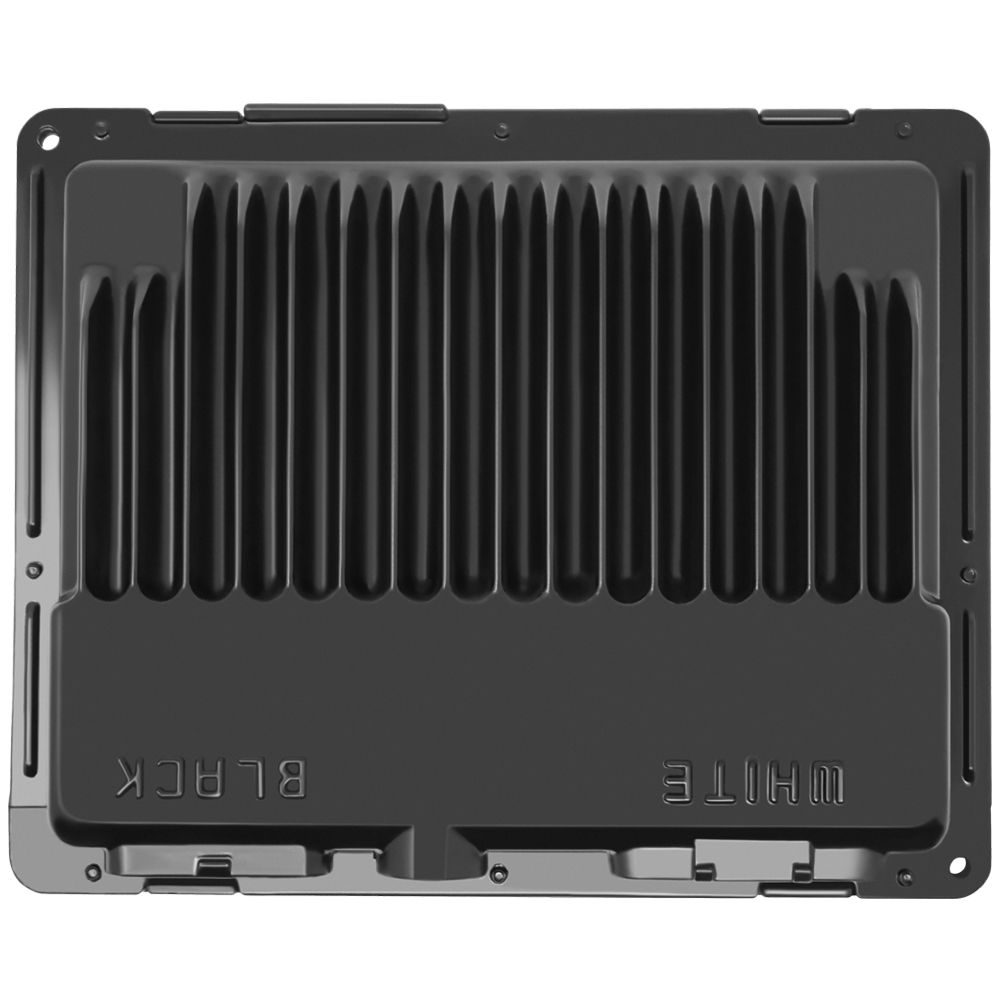
Flagship One stocks a refurbished, VIN-programmed PCM for the 1999 GMC Sonoma with a lifetime warranty, free shipping and no core charge. The full GMC Sonoma module lineup covers other engine configurations as well.
The PCM in your 1999 GMC Sonoma plays a vital role in engine and transmission performance. If you’re experiencing symptoms like stalling, rough idling, or a no-start condition, the module may be at fault. Proper diagnosis and replacement can restore your vehicle’s reliability, whether you opt for a new or refurbished unit. Addressing issues promptly helps avoid further complications down the road.