
Last updated on August 25th, 2026 at 01:30 pm
The Powertrain Control Module (PCM) in the 2001 GMC Sonoma 4.3L manages engine and transmission functions. Internal failure triggers diagnostic trouble codes like P0601, leading to drivability issues and potential no-start conditions.
When the engine control module in a 2001 GMC Sonoma begins to fail, the symptoms can range from subtle drivability quirks to a complete no-start. The 4.3L V6 relies on this computer to manage fuel delivery, ignition timing, and transmission shifts, so any malfunction quickly becomes a pressing concern. You may notice the check engine light illuminating with codes that point directly to the module itself, or you might experience intermittent stalling and rough running that defies a simple fix. This guide explains what the PCM does in your Sonoma, where it is located, and what it takes to replace it. You will also learn about the factory programming requirements and how a pre-programmed unit can simplify the job. By understanding the module’s role and the common failure patterns, you can make an informed decision about getting your truck back on the road without unnecessary delays or complications.
The powertrain control module in the 2001 GMC Sonoma 4.3L is the central computer that governs engine and transmission operation. It processes inputs from sensors such as the crankshaft position sensor, throttle position sensor, and oxygen sensors to calculate the correct air-fuel mixture, ignition timing, and shift points. The module also monitors emissions systems and communicates with other onboard controllers over the data bus. When the PCM malfunctions, it can send incorrect commands or stop communicating altogether, leading to a range of drivability problems. A failing module may set internal diagnostic trouble codes like P0601 or P0606, indicating a processor fault. Because the PCM is integral to the vehicle’s security system, a replacement must be programmed with the correct VIN and calibration data. For those seeking replacement engine computers for the Sonoma, a unit that arrives pre-programmed can save significant time and eliminate the need for a separate relearn procedure. The 4.3L engine’s reliability depends heavily on accurate PCM function, making a quality replacement essential for restoring performance and passing emissions tests.
The powertrain control module on the 2001 GMC Sonoma can be found in one of two locations. On some configurations, it is mounted under the hood, where replacement is listed at 1.0 hours of labor. On others, it resides behind the instrument panel, a more involved job that books at 1.8 hours. Accessing the under-hood unit typically requires removing a cover and disconnecting the electrical connectors. The under-panel location demands partial disassembly of the dash trim to reach the module. Regardless of location, the factory cautions are clear: the ignition must be off before disconnecting or reconnecting power to the PCM to prevent internal damage. This includes the battery cables, PCM pigtail, and any related fuses. Additionally, you should avoid touching the connector pins or soldered components on the circuit board, as the low-voltage electronics are susceptible to electrostatic discharge. After the physical swap, a 0.5-hour relearn procedure is necessary to synchronize the module with the vehicle’s security system and to allow the engine to adapt to the new controller.
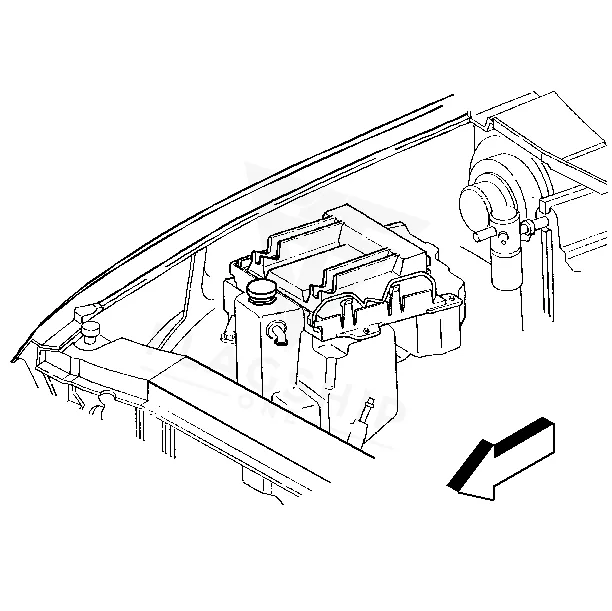
Work with the ignition off, and treat the module as static-sensitive: avoid touching the connector pins at any point.
| Operation | Configuration | Book Time |
|---|---|---|
| Powertrain Control Module R&R | Under Hood | 1.0 hr |
| Powertrain Control Module R&R | Under Inst. Panel | 1.8 hr |
| Powertrain Control Module Relearn | All configurations | 0.5 hr |
| Engine Control Module Relearn | All configurations | 0.5 hr |
| Engine Control Module R&R | Under Hood | 1.0 hr |
| Engine Control Module R&R | Under Inst. Panel | 1.8 hr |
2001 GMC Sonoma
OEM programmed ECM for your 2001 GMC Sonoma — plug & play, no dealer visit.
Free shipping · Lifetime warranty
Once the replacement PCM is installed, the factory procedure requires a relearn process that takes 0.5 hours. This step allows the module to learn the engine’s idle characteristics and to establish communication with the vehicle’s anti-theft system. Without it, the engine may not start or could run poorly. However, when you order a VIN-programmed replacement unit, this programming is already completed. The module arrives with your Sonoma’s specific calibration and VIN loaded, so the relearn procedure is no longer necessary. You simply install the module and turn the key. This eliminates the need for a dealership visit or a high-end scan tool, making the job accessible to a home mechanic. The factory also warns that connecting add-on electrical equipment directly to the battery can still cause powertrain malfunctions, so it is wise to keep the electrical system as stock as possible after the swap.
A failing PCM in the 2001 GMC Sonoma often produces symptoms that mimic other component failures, making diagnosis challenging. You may experience a no-start condition where the engine cranks but does not fire, or it may start and then immediately stall. Intermittent stalling while driving, rough idling, and misfire codes that do not resolve with new plugs or coils are common. The transmission may shift erratically or stay in limp mode. In some cases, the check engine light illuminates with module-internal codes such as internal control module memory checksum error, which points directly to a processor fault. A dead scan-tool connection—where your code reader cannot communicate with the vehicle—is another strong indicator of PCM failure. You might also notice that the fuel pump does not prime when the key is turned on, or that the cooling fans run constantly. These symptoms often appear intermittently at first, then become permanent as the module degrades further.
The following diagnostic trouble codes are documented for the 2001 GMC Sonoma 4.3L and relate specifically to internal PCM faults. When one or more of these codes are present, the module itself is often the root cause rather than an external sensor or circuit.
Service bulletin #02-06-04-057, updated in March 2006, outlines labor operation assignments for control module reprogramming, ensuring consistent warranty claim processing. Bulletin #07-00-89-043 cautions that using parts or calibrations not issued through General Motors may lead to drivability concerns and voided coverage. Additionally, bulletin #02-09-41-001 notes that diagnostic trouble codes B1001, B1271, or B1780 can set in other modules when a PCM is replaced or reprogrammed, requiring a separate clearing procedure. These bulletins highlight the importance of using properly calibrated modules and following the correct reprogramming steps to avoid unnecessary comebacks.
| Bulletin | Subject | What It Addresses |
|---|---|---|
| 02-06-04-057 | Warranty Admin. – Labor Operation Assignments for All Control Module Reprogramming – (Mar 2, 20 | — |
| 07-00-89-043 | Warranty Admin. – Use of Parts and Components (Including Control Module Calibrations) Not Issue | — |
| 02-09-41-001 | Info – DTCs B1001, B1271 or B1780 Set When Replacing/Reprogramming Other Modules – (May 24, 200 | — |
Check for communication with a scan tool. If the tool cannot connect and the check engine light does not illuminate with the key on, the PCM may be dead. Also, listen for the fuel pump priming; a silent pump can indicate a module fault. Internal codes like P0601 or P0606 stored in memory are strong evidence.
Yes, the factory procedure requires a 0.5-hour relearn to sync the module with the vehicle’s security system and idle parameters. However, a unit that arrives pre-programmed with your VIN eliminates this step, allowing a plug-and-play installation.
It can be under the hood, typically near the battery or fuse box, or behind the instrument panel on the passenger side. The under-hood location is more common and has a book time of 1.0 hours for replacement, while the under-panel location takes 1.8 hours.
Codes P0601 (memory checksum error), P0602 (programming error), and P0606 (processor fault) are frequently seen. Other internal codes like P1626 or P1680 may also appear, indicating a loss of communication or security data.
A used module will still need to be programmed with your VIN and may carry unknown wear. It is often more reliable to use a remanufactured unit that has been tested and pre-programmed, as it comes with updated components and a warranty.
Deciding between repairing your original PCM or installing a replacement depends on the failure type and your timeline. While some internal faults can be repaired by specialized services, a remanufactured unit that arrives pre-programmed for your 2001 GMC Sonoma 4.3L offers a straightforward solution. This approach avoids the uncertainty of a used module and the downtime of sending yours out for repair. With the programming already completed, you can complete the swap in your driveway using basic hand tools and get back on the road the same day.
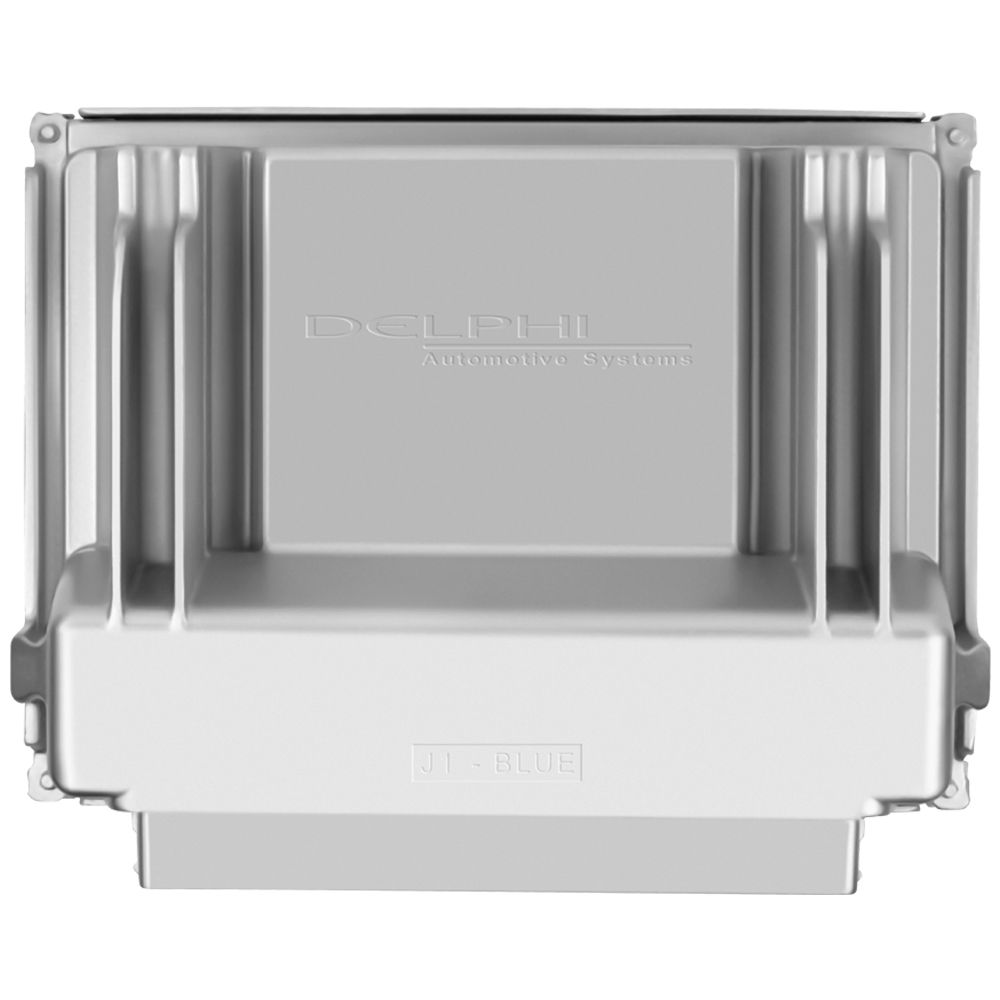
Flagship One stocks a refurbished, VIN-programmed PCM for the 2001 GMC Sonoma with a lifetime warranty, free shipping and no core charge. The full GMC Sonoma module lineup covers other engine configurations as well.
A malfunctioning PCM in a 2001 GMC Sonoma 4.3L can bring your truck to a halt, but the repair path is well-defined. By understanding the symptoms, location, and programming needs, you can tackle the job with confidence. A pre-programmed replacement module removes the most technical hurdle, letting you focus on the physical installation. With the right part and careful attention to the factory cautions, your Sonoma will be running smoothly again.