
Last updated on August 25th, 2026 at 12:07 pm
The engine control module (ECM) or powertrain control module (PCM) in your 1996 Toyota Avalon acts as the vehicle’s brain, managing fuel delivery, ignition timing, and emissions systems. When it fails, you may experience erratic engine behavior, poor performance, or a complete inability to start.
If your 1996 Toyota Avalon has been acting up—stalling at stops, refusing to start, or throwing mysterious engine codes—it may be time to consider the engine computer. Known as the ECM or PCM in this model, this critical component oversees everything from fuel delivery to ignition timing, ensuring your engine runs smoothly. When it fails, the symptoms can range from subtle performance issues to a complete breakdown. Replacing it isn’t just about swapping a part; it involves careful installation and, in most cases, a relearn procedure to sync the new module with your vehicle’s systems. Understanding the role of this module, where it’s located, and what to expect during replacement can save you time and frustration. Whether you’re diagnosing a persistent issue or preparing for a repair, knowing these details helps you make informed decisions about your Avalon’s health.
1996 Toyota Avalon
OEM programmed ECM for your 1996 Toyota Avalon — plug & play, no dealer visit.
Free shipping · Lifetime warranty
In your 1996 Toyota Avalon, the engine control module (ECM) or powertrain control module (PCM) serves as the central processing unit for the engine and transmission. It continuously monitors sensors throughout the vehicle, adjusting fuel injection, ignition timing, and idle speed to maintain optimal performance. This module also plays a key role in emissions control, ensuring your Avalon meets environmental standards. When it malfunctions, the engine may run roughly, hesitate under acceleration, or fail to start altogether. Because the ECM/PCM is integrated with so many systems, its failure can trigger a cascade of issues, from poor fuel economy to erratic shifting in automatic transmissions. If you’re considering a replacement, you’ll want to explore options like replacement engine computers for the Avalon, which are designed to restore your vehicle’s functionality without the guesswork of used or unprogrammed units.
The engine control module in your 1996 Toyota Avalon is mounted behind the glove box, making it relatively accessible compared to other vehicles where the module might be buried under the dashboard or near the firewall. To replace it, a technician will typically remove the glove box assembly, disconnect the wiring harness, and unbolt the module from its bracket. The process is straightforward but requires care to avoid damaging connectors or surrounding components. According to labor guides, the removal and replacement (R&R) procedure for the ECM or PCM takes about 0.8 hours. Once the new module is installed, the wiring harness is reconnected, and the glove box is reassembled. While the physical swap is quick, the real work often comes afterward, as the module may need to be programmed or relearned to communicate properly with your Avalon’s systems.
| Operation | Configuration | Book Time |
|---|---|---|
| Engine Control Module Relearn | All configurations | 0.5 hr |
| Engine Control Module R&R | All configurations | 0.8 hr |
| Powertrain Control Module R&R | All configurations | 0.8 hr |
| Powertrain Control Module Relearn | All configurations | 0.5 hr |
After installing a new engine control module in your 1996 Toyota Avalon, the factory procedure typically requires a relearn process to synchronize the module with the vehicle’s sensors and systems. This step, which takes about 0.5 hours, ensures the ECM or PCM recognizes the engine’s parameters, such as idle speed and fuel trim. However, if you opt for a VIN-programmed replacement unit, this relearn step is already completed before the module arrives. The unit is pre-configured to match your Avalon’s specific VIN, eliminating the need for additional programming or calibration. This not only saves time but also reduces the risk of post-installation issues, allowing you to get back on the road with minimal downtime.
A failing engine control module in your 1996 Toyota Avalon can manifest in several ways, often mimicking other mechanical or electrical problems. One of the most common signs is a no-start condition, where the engine cranks but refuses to fire up. You may also experience intermittent stalling, particularly at idle or during low-speed driving, as the module struggles to maintain consistent fuel and ignition timing. Misfires are another frequent symptom, often accompanied by a rough idle or hesitation under acceleration. In some cases, the check engine light may illuminate, and a scan tool might reveal codes related to sensor performance or module communication. For example, a memory integrity fault could indicate internal corruption within the ECM or PCM, signaling the need for replacement. Additionally, you might notice poor fuel economy or erratic shifting in the automatic transmission, as the module’s failure disrupts the vehicle’s ability to optimize performance. If your Avalon exhibits any of these symptoms, it’s worth investigating the engine computer as a potential culprit.
Common signs include a no-start condition, intermittent stalling, rough idling, or misfires. You may also see a check engine light with codes related to sensor performance or module communication. If these symptoms persist after checking other components, the ECM or PCM may be the issue.
While the physical replacement is straightforward—located behind the glove box—it requires careful handling of connectors and wiring. Additionally, the new module may need programming or a relearn procedure, which can be tricky without the right tools or experience.
In this model, the terms are often used interchangeably, as the module controls both engine and transmission functions. The ECM (engine control module) and PCM (powertrain control module) refer to the same component, which manages fuel, ignition, emissions, and shifting.
The relearn process allows the new module to synchronize with your vehicle’s sensors and systems, such as idle speed and fuel trim. Without it, the module may not operate correctly, leading to poor performance or drivability issues. This step typically takes about 0.5 hours.
A used module may physically fit, but it’s unlikely to work without reprogramming to match your Avalon’s VIN. Even then, there’s a risk of compatibility issues or hidden faults. A new or VIN-programmed unit is a more reliable option.
If your 1996 Toyota Avalon is showing signs of a failing engine computer, you have a few options. A repair shop can diagnose the issue and perform the replacement, including the necessary relearn procedure. Alternatively, opting for a pre-programmed replacement unit can simplify the process, as it arrives ready to install and eliminates the need for additional programming. Either way, addressing the problem promptly can restore your Avalon’s performance and reliability.
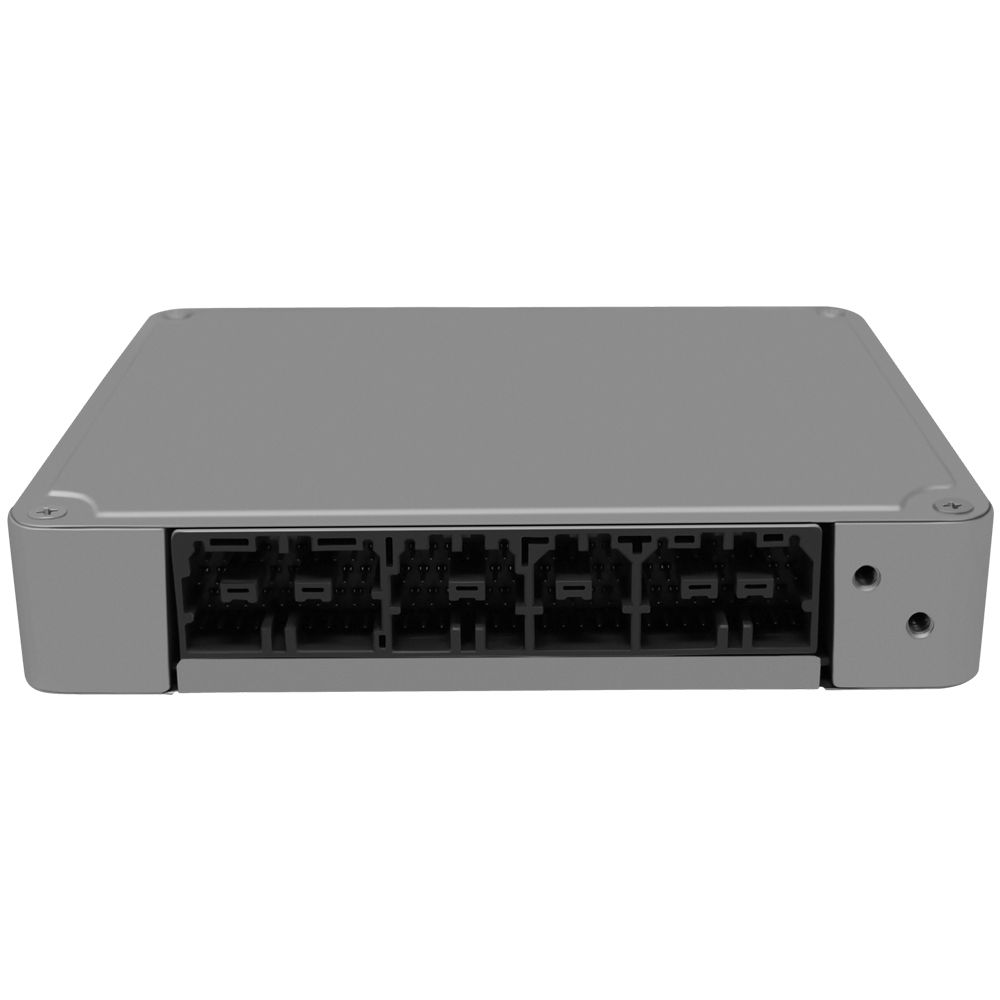
Flagship One stocks a refurbished, VIN-programmed PCM for the 1996 Toyota Avalon with a lifetime warranty, free shipping and no core charge. The full Toyota Avalon module lineup covers other engine configurations as well.
Your 1996 Toyota Avalon relies on its engine control module to keep everything running smoothly, from fuel delivery to emissions control. If you’re experiencing stalling, misfires, or a no-start condition, the ECM or PCM may be to blame. Replacing it is a manageable task, especially with a VIN-programmed unit that skips the relearn process. Whether you tackle the job yourself or leave it to a professional, addressing the issue now can save you from more costly repairs down the road.