
Last updated on August 25th, 2026 at 01:39 pm
In the 1996 Ford F-Series, the Powertrain Control Module (PCM) and Engine Control Module (ECM) manage fuel delivery, ignition timing, and transmission shift points. When either unit fails, the engine may refuse to start, stall unexpectedly, or trigger communication errors with diagnostic tools, reflecting a loss of electronic control over core driveline functions.
When a 1996 Ford F-Series begins to exhibit intermittent starting problems, sudden loss of power, or unusual transmission behavior, the electronic brains behind the powertrain may be at fault. The Powertrain Control Module and Engine Control Module coordinate fuel injection, spark timing, and gear changes, so any disruption can quickly translate into noticeable drivability issues. This guide walks you through what these modules do in your truck, where they live, how long a professional swap usually takes, and what programming is required after installation. By the end, you should understand the scope of a replacement, the importance of proper relearn procedures, and why choosing a VIN‑programmed unit can simplify the process.
1996 Ford F-Series
OEM programmed replacements — plug & play, no dealer visit.
Find yours by year, make & model →
Free shipping · Lifetime warranty
The PCM in the 1996 Ford F-Series serves as the central command for both engine and transmission, interpreting sensor data to adjust fuel mixture, ignition timing, and shift timing in real time. The ECM focuses primarily on engine‑specific functions, ensuring combustion efficiency and emissions compliance. Together, they maintain smooth power delivery and optimal fuel economy, which is essential for a work truck that often carries heavy loads. A malfunction can cause rough idle, stalling, or loss of driveability, directly affecting productivity and safety. Proper operation relies on accurate sensor inputs and reliable communication between the two modules, making their health critical for overall vehicle performance. For owners seeking a direct replacement, the 1996 Ford F-Series PCM offers a drop‑in solution that matches the original specifications.
Both the PCM and ECM are mounted within the engine compartment, typically secured to the firewall or a nearby bracket for easy access. Removal generally involves disconnecting the electrical harness, unbolting the unit, and extracting it from its cradle. According to the factory labor guide, swapping the Powertrain Control Module takes about 0.9 hours, while the Engine Control Module requires a similar 0.9 hours. After the hardware is replaced, the shop must perform a relearn procedure for each module, which the guide lists as 0.5 hours for the PCM and another 0.5 hours for the ECM. Technicians should verify torque specifications for the mounting bolts if provided, and ensure all connectors are clean before reinstallation to avoid future communication faults.
Work with the ignition off, and treat the module as static-sensitive: avoid touching the connector pins at any point.
| Operation | Configuration | Book Time |
|---|---|---|
| Powertrain Control Module R&R | All configurations | 0.9 hr |
| Powertrain Control Module Relearn | All configurations | 0.5 hr |
| Engine Control Module Relearn | All configurations | 0.5 hr |
| Engine Control Module R&R | All configurations | 0.9 hr |
Once the new PCM or ECM is physically installed, the factory service routine calls for a specific relearn sequence to synchronize the module with the vehicle’s existing sensors and transmission control logic. This includes a PCM relearn that typically takes half an hour and an ECM relearn of equal length. Flagship One units arrive pre‑loaded with the correct VIN data, so the a VIN-programmed replacement unit already satisfies those programming steps, allowing the technician to skip separate coding and move straight to the relearn process.
Owners of the 1996 Ford F-Series may notice that the engine cranks but does not start, or that it stalls under load, both classic signs of PCM or ECM failure. Rough idle, unexpected loss of power, and shifting delays are also common, often accompanied by a diagnostic trouble code such as P0601 timing fault that indicates a timing control issue. In some cases, the scan tool may lose communication with the control modules entirely, preventing any live data retrieval. These symptoms typically point to a loss of electronic coordination between engine and transmission, underscoring the need for prompt diagnosis and repair.
Yes, the PCM controls fuel and ignition timing, so a malfunction can lead to sudden stalling, especially under load or during gear changes.
The removal typically requires a basic socket set to undo the mounting bolts and a screwdriver to disconnect the harness; no proprietary tools are listed in the labor guide.
The factory procedure estimates about 0.5 hours for the PCM relearn after replacement.
A VIN‑programmed unit eliminates the need for separate coding steps, simplifying installation and ensuring the module matches the vehicle’s specifications.
Codes related to fuel trim, misfire detection, or communication loss, such as P0601, can suggest ECM issues in the 1996 Ford F-Series.
When your 1996 Ford F-Series experiences PCM or ECM failure, you can choose a brand‑new factory‑spec unit or a refurbished replacement that meets the same performance standards. Both options require the same removal and relearn steps, but a VIN‑programmed replacement from Flagship One may reduce the time spent on post‑install coding, letting you get back on the road faster.
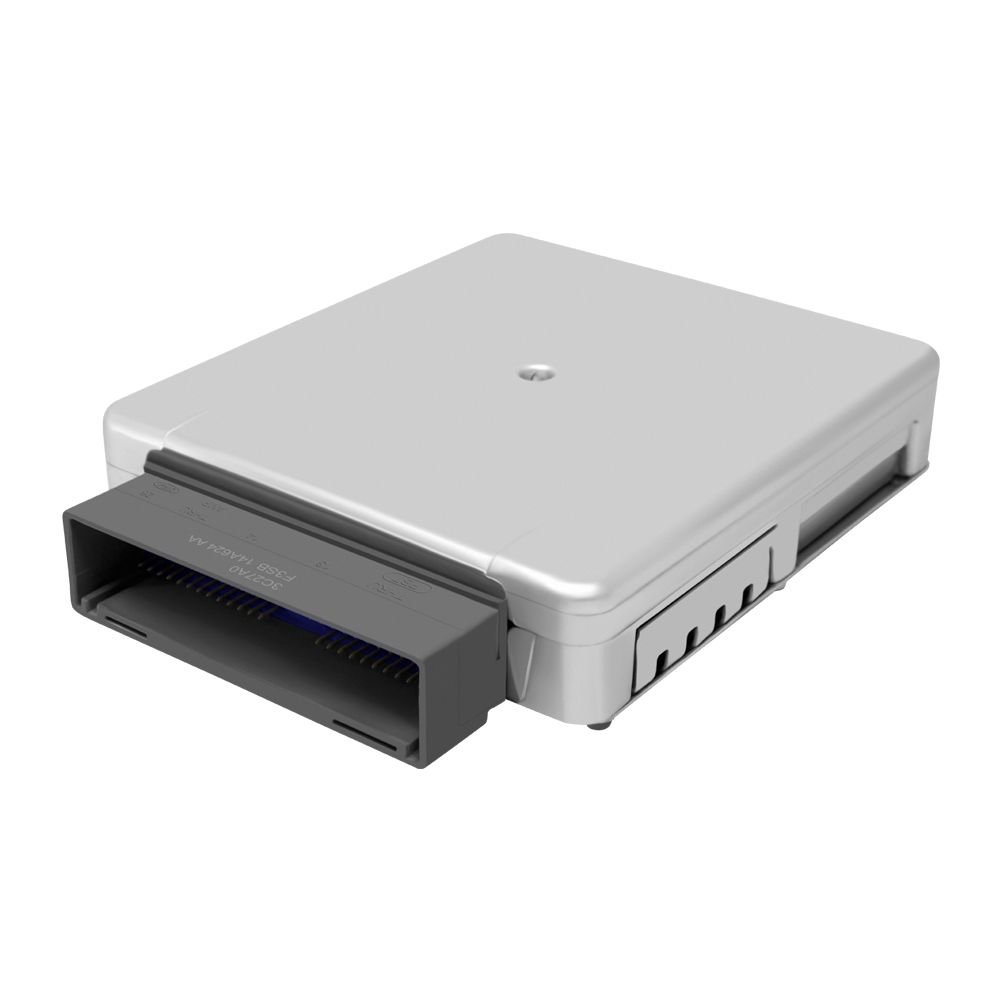
Flagship One stocks a refurbished, VIN-programmed PCM for the 1996 Ford Truck (F-Series) with a lifetime warranty, free shipping and no core charge. The full Ford Truck (F-Series) module lineup covers other engine configurations as well.
A failing PCM or ECM can undermine the reliability of your 1996 Ford F-Series, but a proper swap combined with the required relearn procedures restores full functionality. Consider a VIN‑programmed unit to streamline the process and keep your truck performing as it should.