
Last updated on August 25th, 2026 at 01:39 pm
The Powertrain Control Module (PCM) in your 1995 Ford F-Series manages fuel delivery, ignition timing, and emissions systems for the 4.9L inline-six engine. Failures may cause erratic idling, stalling, or complete no-start conditions.
If your 1995 Ford F-Series with the 4.9L engine is experiencing unexplained stalling, rough idling, or a no-start condition, the Powertrain Control Module (PCM) may be the culprit. This small but critical computer governs fuel injection, ignition timing, and emissions systems, ensuring the engine runs smoothly under all conditions. Over time, heat, vibration, or voltage spikes can degrade its performance, leading to frustrating drivability issues. Replacing the PCM isn’t just about swapping a part—it involves precise reprogramming to match your vehicle’s specifications. The Environmental Protection Agency (EPA) has mandated that aftermarket service centers must have access to reprogramming tools or reasonably priced dealership services, making repairs more accessible. Understanding the role of the PCM, recognizing failure symptoms, and knowing the replacement process can save you time and prevent unnecessary frustration. This guide covers what the PCM does, where it’s located, how to replace it, and what to expect during reprogramming—so you can make informed decisions about your vehicle’s repair.
1995 Ford F-Series
OEM programmed replacements — plug & play, no dealer visit.
Find yours by year, make & model →
Free shipping · Lifetime warranty
The Powertrain Control Module (PCM) in your 1995 Ford F-Series is the brain behind the engine’s operation. It continuously monitors sensors for data like engine speed, air intake, and exhaust composition, then adjusts fuel delivery and ignition timing to optimize performance and emissions. Without a functioning PCM, your vehicle may struggle to start, run inefficiently, or even fail to meet basic drivability standards. This module is particularly important for older trucks like yours, as it ensures the 4.9L inline-six engine operates within factory specifications despite decades of wear. When the PCM fails, symptoms can range from subtle misfires to complete engine shutdowns, often mimicking other mechanical issues. Replacing it requires not just a new unit but also proper programming to sync with your truck’s unique configuration. Many owners opt for replacement engine computers for the F-Series to avoid the hassle of aftermarket programming, as these units come pre-configured for your VIN. The PCM’s role extends beyond basic engine control—it also influences transmission behavior in automatic-equipped models, making its reliability essential for smooth operation.
The PCM in your 1995 Ford F-Series is located inside the passenger-side footwell, mounted to the firewall behind the glove compartment. Accessing it requires removing the lower dashboard panel, which typically involves unscrewing a few fasteners and carefully pulling the panel away from the dash. Once exposed, the PCM is secured with a single bolt or clip, and its wiring harness connects via a large, multi-pin connector. Replacement involves unplugging the old unit, removing the mounting hardware, and installing the new PCM in its place. The process is straightforward but requires patience to avoid damaging the wiring or surrounding components. After installation, the factory procedure calls for reprogramming to ensure the new PCM communicates correctly with the engine’s sensors and systems. This step is critical—skipping it may leave your truck running poorly or not at all.
After installing a new PCM in your 1995 Ford F-Series, the factory procedure requires reprogramming to match the module to your vehicle’s VIN and engine configuration. This process involves using an oversized connector equipped with an 18-volt transformer, which supplies the necessary voltage to complete the programming sequence. Without this step, the PCM may not communicate properly with the engine’s sensors, leading to poor performance or a no-start condition. The EPA’s mandate ensures that aftermarket shops have access to these tools, but the process can still be time-consuming and requires specialized equipment. Fortunately, a VIN-programmed replacement unit eliminates the need for post-installation programming, as it arrives pre-configured for your truck. This not only saves time but also reduces the risk of errors during the reprogramming process, ensuring your F-Series runs as intended from the moment the new PCM is installed.
A failing PCM in your 1995 Ford F-Series can manifest in several ways, often mimicking other mechanical or electrical issues. One of the most common symptoms is stalling, particularly at idle or when the engine is under light load. You may also notice rough idling, where the engine feels uneven or struggles to maintain a steady RPM. Misfires are another frequent sign, often accompanied by a lack of power or hesitation during acceleration. In some cases, the engine may crank but fail to start entirely, leaving you stranded. Poor fuel economy can also indicate PCM trouble, as the module may no longer optimize fuel delivery effectively. Another telltale sign is erratic transmission behavior in automatic-equipped models, such as harsh or delayed shifts. If the PCM loses communication with the engine’s sensors, you might experience a complete loss of throttle response, where pressing the gas pedal has little to no effect. In rare cases, the module may trigger internal faults, such as an internal control module memory checksum error, which can illuminate the check engine light and require a scan tool to diagnose. Since these symptoms can overlap with other issues, it’s important to rule out simpler causes like spark plugs, fuel filters, or wiring problems before concluding the PCM is at fault.
Ford issued a service bulletin (TSB 94-19-18) addressing PCM-related stalling issues in 1994 7.3L diesel F-Series trucks built between February 9 and August 29, 1994. The bulletin noted that replacement PCMs for these models allowed for selectable RPM control when operating power take-off (PTO) equipment at idle. While this TSB specifically applies to diesel engines, it highlights the importance of using the correct PCM for your vehicle’s build date and configuration. If your 1995 F-Series with the 4.9L engine exhibits stalling or idle-related issues, it’s worth checking for updated PCM calibrations or replacement units designed for your truck’s specifications.
| Bulletin | Subject | What It Addresses |
|---|---|---|
| 94-19-18 | 7.3L DI (TURBO) DIESEL – PCM (POWERTRAIN CONTROL MODULE) – REPLACEMENT PCM ALLOWS FOR SELECTABL | — |
Stalling at idle after a PCM replacement often indicates the module wasn’t properly programmed to match your vehicle’s VIN. The factory procedure requires an 18-volt transformer to complete the programming, and skipping this step can leave the PCM unable to regulate idle speed. A VIN-programmed replacement unit eliminates this issue by arriving pre-configured for your truck.
Driving with a failing PCM is risky. While the truck may run, it could stall unexpectedly, misfire, or even fail to restart. A bad PCM may also cause poor fuel economy or erratic transmission shifts, leading to further damage. If you suspect PCM issues, address them promptly to avoid being stranded.
Start by checking for loose or corroded connectors at the PCM and engine sensors. Use a multimeter to test for proper voltage at the PCM’s power and ground pins. If the wiring checks out but symptoms persist, the PCM itself may be faulty. A scan tool can help confirm internal PCM faults, such as memory errors or communication failures.
Yes, in automatic-equipped models, the PCM influences transmission shift points and torque converter lockup. A failing PCM may cause harsh or delayed shifts, or even prevent the transmission from engaging gears properly. If you notice transmission issues alongside engine symptoms, the PCM is a likely culprit.
In your truck, the terms PCM (Powertrain Control Module) and ECM (Engine Control Module) are often used interchangeably, but the PCM is the correct term. Unlike some vehicles where the ECM only controls the engine and a separate module manages the transmission, your F-Series uses a single PCM to handle both functions. This integration simplifies diagnostics but means a PCM failure can affect multiple systems.
If your 1995 Ford F-Series is showing signs of PCM failure, you have two main repair options: reprogramming the existing module or replacing it with a new or refurbished unit. Reprogramming requires specialized tools and can be time-consuming, especially if the module is already damaged. A replacement PCM, particularly one pre-programmed to your VIN, offers a quicker and more reliable solution. Flagship One provides units that eliminate the need for post-installation programming, ensuring your truck runs smoothly from the moment the new module is installed. Consider your budget, time constraints, and the severity of the issue when deciding which route to take.
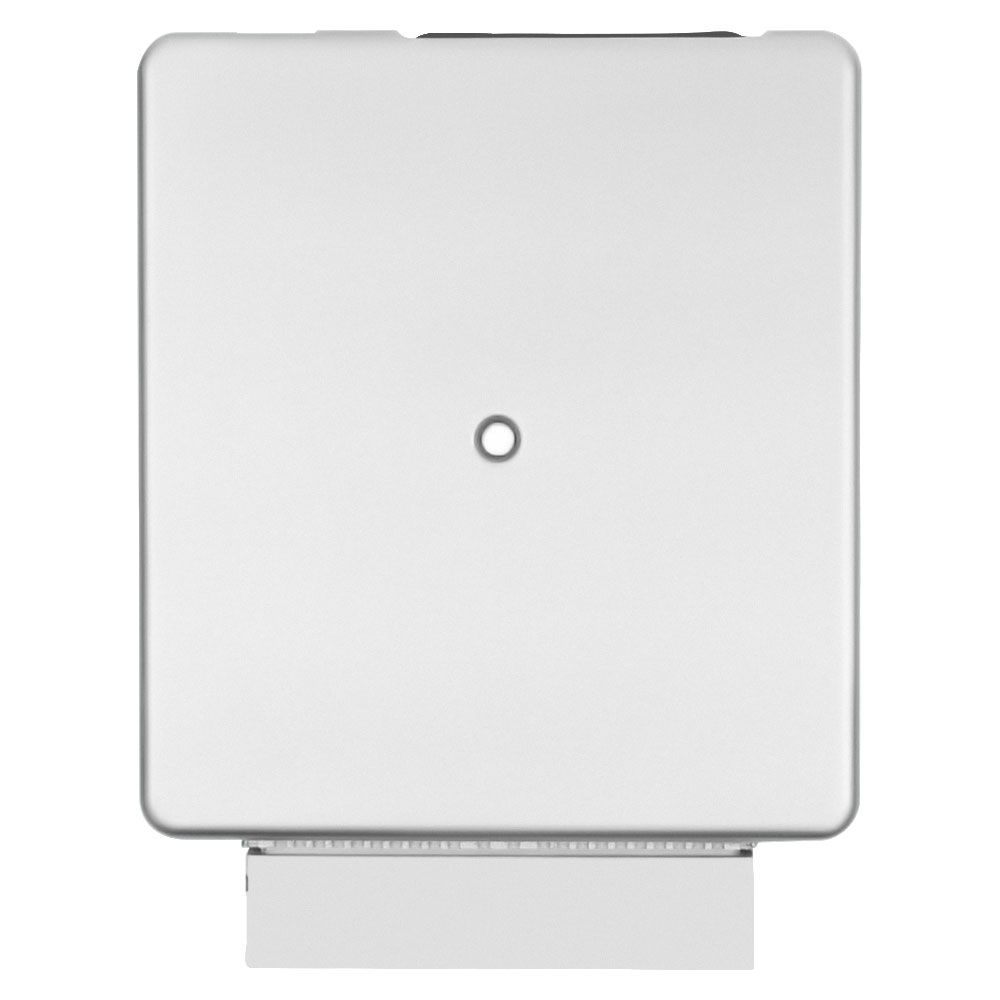
Flagship One stocks a refurbished, VIN-programmed ECM for the 1995 Ford Truck (F-Series) with a lifetime warranty, free shipping and no core charge. The full Ford Truck (F-Series) module lineup covers other engine configurations as well.
The PCM in your 1995 Ford F-Series plays a critical role in keeping the engine running smoothly and efficiently. When it fails, symptoms like stalling, misfires, or a no-start condition can leave you frustrated and stranded. Replacing the PCM isn’t just about swapping a part—it requires careful installation and proper programming to ensure your truck operates as intended. Whether you choose to reprogram your existing module or opt for a VIN-programmed replacement, addressing PCM issues promptly will restore your F-Series’ reliability and performance. With the right approach, you can keep your truck on the road for years to come.