
Last updated on August 25th, 2026 at 12:08 pm
The engine control module in your 1995 Pontiac Grand Prix manages fuel injection, ignition timing, and emissions systems. Mounted inside the cabin, this computer processes sensor data to optimize performance. Internal solder joint fatigue or voltage spikes from jump-starting may disrupt its operation, leading to erratic engine behavior or complete failure.
When your 1995 Pontiac Grand Prix develops intermittent stalling, hard starting, or erratic idle behavior, the engine control module often becomes the primary suspect. As the central processor governing fuel delivery, ignition advance, and emission controls, this computer interprets signals from sensors throughout the vehicle to maintain optimal running conditions. Understanding how this specific module functions within your vehicle helps you diagnose issues accurately and avoid unnecessary repairs. Unlike later models that moved the computer to the engine bay, your 1995 Grand Prix houses the PCM inside the passenger compartment beneath the instrument panel, protecting it from engine heat but complicating access when replacement becomes necessary. The module contains solid-state circuitry vulnerable to voltage fluctuations and thermal cycling over decades of service. This guide explains exactly where to locate the computer, how much labor the factory manuals allocate for removal and installation, and why proper power-down procedures matter critically for preventing damage. You will learn the specific steps required after installation, the symptoms that typically indicate module failure, and practical measures to extend the life of your replacement unit. Whether you are troubleshooting a no-start condition or planning preventive maintenance, the information here provides the technical foundation for confident decision-making.
1995 Pontiac Grand Prix
OEM programmed ECM for your 1995 Pontiac Grand Prix — plug & play, no dealer visit.
Free shipping · Lifetime warranty
In the 1995 Pontiac Grand Prix, the powertrain control module serves as the brain of the engine management system, continuously calculating fuel injector pulse widths and spark advance based on inputs from the throttle position sensor, coolant temperature sensor, and manifold absolute pressure sensor. This onboard computer stores adaptive learning data that fine-tunes idle speed and transmission shift points to match your driving habits and engine wear patterns. The module integrates multiple functions that earlier vehicles handled through separate mechanical components, consolidating ignition control, fuel injection timing, and emissions regulation into one solid-state unit. The computer monitors the oxygen sensor to maintain the stoichiometric air-fuel ratio required for efficient catalytic converter operation, adjusts ignition timing to prevent detonation under load, and controls the evaporative emissions canister purge valve. When you turn the ignition key, the module performs a self-test sequence, verifying that all output circuits respond correctly before allowing the engine to start and run. Because this vehicle predates the standardized OBD-II diagnostic protocol, communication with scan tools follows earlier proprietary formats, and internal fault logging operates differently than on 1996 and newer models. The computer relies on robust solder connections within its aluminum housing, though thermal expansion and vibration from twenty-plus years of engine operation may eventually compromise these joints. Voltage spikes from improper jump-starting procedures or charging system faults may also damage internal components. When failure occurs, installing replacement computers for the Grand Prix restores factory calibration and drivability. The module requires specific voltage conditions and clean ground paths to function reliably, making proper installation technique essential for long-term durability.
Your 1995 Pontiac Grand Prix positions the powertrain control module inside the passenger compartment, mounted beneath the instrument panel rather than in the engine bay. This location differs from most applications, which typically situate the computer ahead of the right shock tower in the engine bay. The 1996 model year relocated the PCM to the engine compartment, making your 1995 one of the final Grand Prix models to use the interior mounting position. Accessing the module requires working from the driver’s side footwell area, positioning yourself to reach upward behind the dashboard. The factory labor guide allocates 0.9 hours for engine control module removal and replacement, reflecting the time needed to disconnect the wiring harness, unfasten the mounting bracket, and maneuver the unit out from under the instrument panel. You must support the module carefully during extraction to avoid stressing the connector pins. During installation, the book time lists separate relearn procedures requiring 0.5 hours for the powertrain control module and 0.5 hours for the engine control module. These steps allow the computer to synchronize with the vehicle’s specific operating parameters.
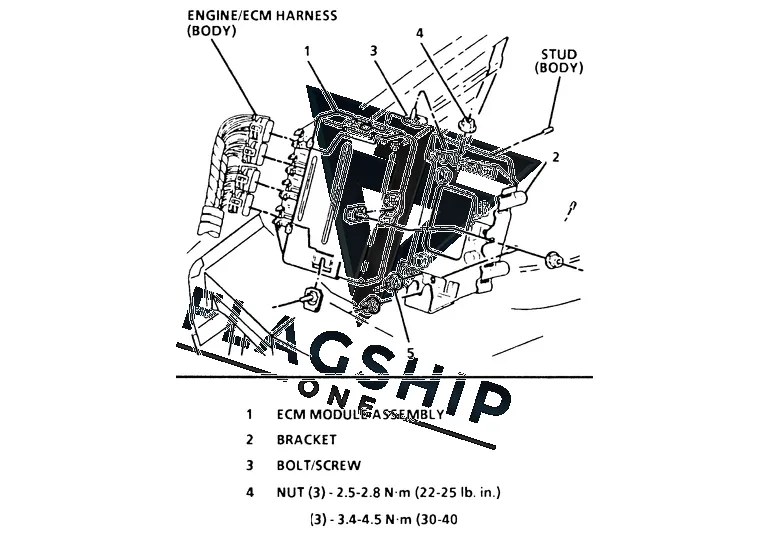
Work with the ignition off, and treat the module as static-sensitive: avoid touching the connector pins at any point.
| Operation | Configuration | Book Time |
|---|---|---|
| Powertrain Control Module Relearn | All configurations | 0.5 hr |
| Engine Control Module R&R | All configurations | 0.9 hr |
| Engine Control Module Relearn | All configurations | 0.5 hr |
After installing a new control module in your 1995 Pontiac Grand Prix, the factory service procedure requires performing specific relearn operations to establish communication between the computer and the vehicle’s existing components. The labor guide indicates that powertrain control module relearn requires 0.5 hours of technician time, while engine control module relearn separately requires 0.5 hours. These procedures allow the unit to adapt to your specific engine’s mechanical tolerances, transmission shift characteristics, and sensor calibration values. During relearn, the technician typically cycles the ignition, allows the module to initialize, and may need to perform specific driving sequences to populate the adaptive memory banks. Without proper execution, you may experience erratic idle, harsh shifting, or hesitation during acceleration as the computer attempts to operate using default baseline values. Flagship One eliminates this dealership requirement by providing a VIN-programmed replacement unit calibrated specifically for your vehicle’s configuration. Because the module arrives pre-flashed with the correct calibration and theft deterrent data, you skip the lengthy relearn sessions. Simply install the component, reconnect the battery with the ignition OFF as required by factory caution procedures, and start the engine. The computer immediately recognizes your vehicle and operates with full functionality, saving diagnostic time and ensuring optimal performance from the first ignition cycle.
When the engine control module in your 1995 Pontiac Grand Prix begins to fail, symptoms often manifest intermittently before progressing to permanent failure. You may experience sudden stalling while driving at highway speeds or coming to a stop, with the engine shutting off without warning and sometimes restarting only after a cooling period. Hard starting, particularly when the engine is warm, suggests the computer is failing to process crankshaft position sensor signals or calculate proper injector pulse widths. Erratic idle behavior, including surging between high and low RPM or dipping low enough to stall at traffic lights, indicates the module is losing its ability to maintain stable throttle control. You might notice the transmission shifting harshly or at incorrect speeds, as the computer no longer sends accurate timing commands to the shift solenoids. In some cases, the engine may enter limp-home mode, restricting performance to protect internal components while illuminating the service engine soon indicator. Communication failures with scan tools represent another telltale sign, where diagnostic equipment cannot establish a data link with the computer despite proper cable connections and tool functionality. This often points to internal processor failure or corrupted memory. Misfire conditions that persist despite new spark plugs, wires, and ignition coils may trace back to the module delivering incorrect firing commands or improper fuel mixture calculations. Additionally, you may observe unexplained battery drain if the module fails to enter sleep mode, keeping relays energized when the vehicle sits parked. These symptoms typically worsen during hot weather or when the cabin interior reaches high temperatures, as the module mounted under the dashboard experiences thermal stress.
The module sits inside the passenger compartment beneath the instrument panel, not in the engine bay where most other vehicles mount the computer. You access it from the driver’s side footwell by reaching up behind the dashboard. This location protects the unit from engine heat but requires careful maneuvering during replacement.
Factory labor guides list engine control module removal and replacement at 0.9 hours. Additional time may apply for the separate relearn procedures, which require 0.5 hours for the powertrain control module and 0.5 hours for the engine control module respectively.
Installing a module from a salvage vehicle often creates compatibility issues because the computer contains theft deterrent data and calibration specific to the original vehicle’s VIN. You typically need professional flashing services to adapt a used unit, making a pre-programmed replacement more reliable.
Factory caution procedures require the ignition switch remain OFF whenever disconnecting power to prevent voltage spikes that may permanently damage the control module’s internal circuitry. This applies to battery disconnection, fuse removal, or unplugging the module connector.
Intermittent stalling, scan tool communication failures, and multiple unrelated codes appearing simultaneously often suggest module failure. Unlike single sensor issues that trigger specific symptoms, computer problems may cause erratic behavior across multiple systems including transmission shifting and idle control.
When your 1995 Pontiac Grand Prix requires engine computer replacement, you face the choice between repairing the existing unit or installing a refurbished replacement. Repair services may resolve specific solder joint failures but require shipping your module away with uncertain turnaround times. A replacement unit programmed to your VIN arrives ready for immediate installation, eliminating the variables of intermittent faults and providing updated components where applicable.
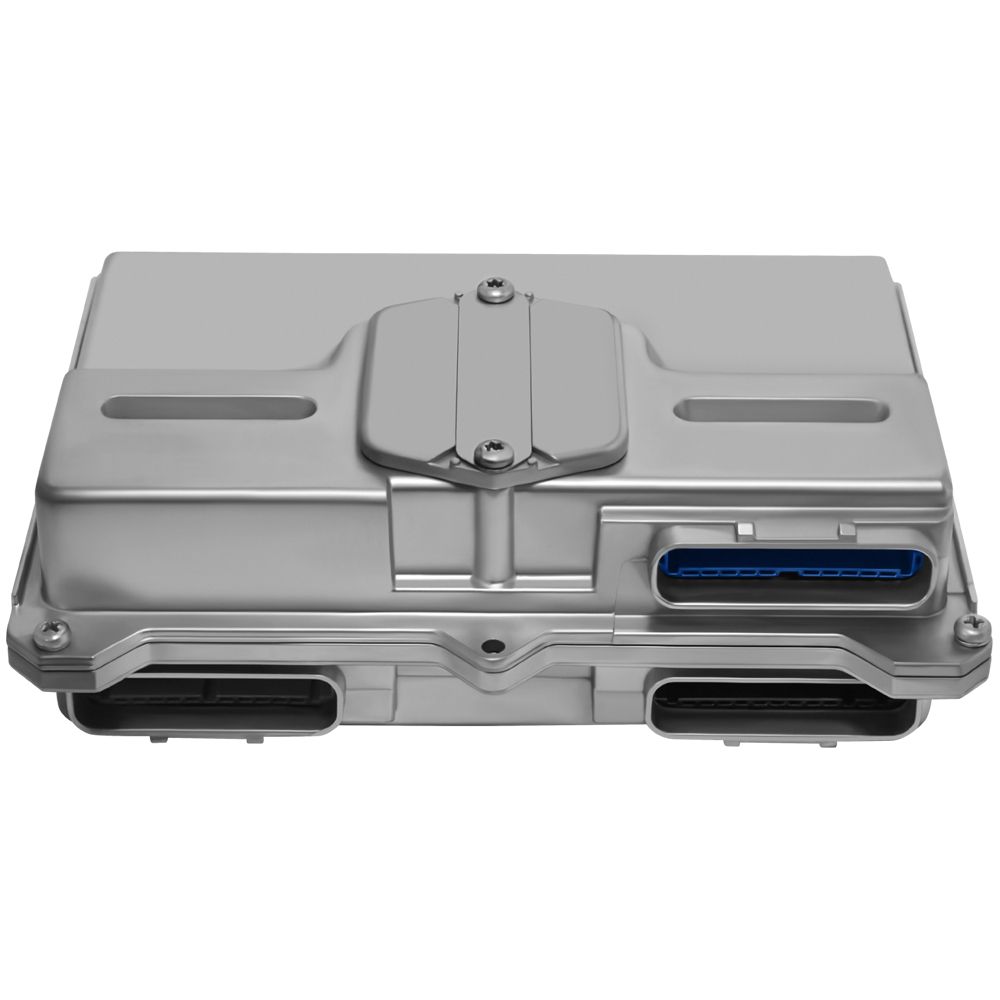
Flagship One stocks a refurbished, VIN-programmed PCM for the 1995 Pontiac Grand Prix with a lifetime warranty, free shipping and no core charge. The full Pontiac Grand Prix module lineup covers other engine configurations as well.
Understanding the location, labor requirements, and symptoms of engine computer failure in your 1995 Pontiac Grand Prix empowers you to make informed repair decisions. Proper installation technique and voltage management protect your investment and ensure reliable operation. With correct programming and careful handling, your replacement module should provide years of dependable service.