
Last updated on August 25th, 2026 at 12:30 pm
In the 1994 Pontiac Grand Prix, the Powertrain Control Module manages fuel delivery, ignition timing, and emission functions. When the PCM fails, the engine may refuse to start, run rough, or lose communication with diagnostic tools, leading to loss of powertrain control.
When a 1994 Pontiac Grand Prix exhibits intermittent power loss or diagnostic communication failures, the Powertrain Control Module is often the culprit. Understanding how this computer works, where it lives, and what steps follow a swap can save you time and prevent further issues. This guide walks you through the module’s role, the physical location, the required post‑install procedures, and practical tips to keep it running reliably.
1994 Pontiac Grand Prix
OEM programmed ECM for your 1994 Pontiac Grand Prix — plug & play, no dealer visit.
Free shipping · Lifetime warranty
The Powertrain Control Module in a 1994 Pontiac Grand Prix coordinates engine timing, fuel injection, and emission controls, ensuring the powertrain runs smoothly. Its proper operation is essential for throttle response and emissions compliance. If the PCM malfunctions, the engine may stall, run poorly, or refuse to start. The module’s functions are tied directly to sensor data and actuator commands, making it a central nervous system for the vehicle. A typical failure triggers a loss of engine control and may generate diagnostic codes. Replacing it often involves a 1994 Grand Prix engine computer to restore full functionality.
The PCM in the 1994 Grand Prix is mounted inside the passenger compartment beneath the instrument panel. Access requires removal of trim pieces and the dashboard cover to reach the module. The book‑time for removing and reinstalling the unit is 0.9 hours, while relearn procedures each take about 0.5 hours. During removal, the ignition must stay off to avoid damaging the module. After the new unit is seated, reconnect the wiring harness, secure any fasteners, and reassemble the dash components.
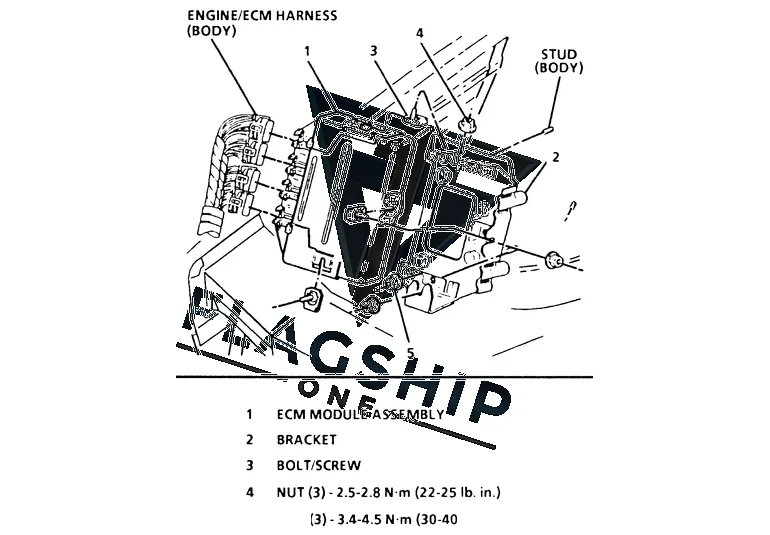
Work with the ignition off, and treat the module as static-sensitive: avoid touching the connector pins at any point.
| Operation | Configuration | Book Time |
|---|---|---|
| Powertrain Control Module Relearn | All configurations | 0.5 hr |
| Engine Control Module R&R | All configurations | 0.9 hr |
| Engine Control Module Relearn | All configurations | 0.5 hr |
Factory service calls for a Powertrain Control Module relearn after installation, which includes a 0.5‑hour relearn of the PCM and a separate 0.5‑hour engine control module relearn. Flagship One supplies a a VIN-programmed replacement unit that arrives already matched to your vehicle, so those programming steps are completed at the factory and do not need to be performed on the shop floor.
Typical signs of a failing PCM in a 1994 Grand Prix include a complete no‑start condition, rough idle, unexpected stalling, and loss of communication with scan tools. You may also notice erratic shifting or emission‑related warnings. When the module cannot complete its self‑checks, it often sets a diagnostic code such as timing control fault that points to internal timing control issues.
The ignition switch should remain off while you disconnect the battery negative cable, remove the fuse, and unplug the PCM connector. This prevents possible damage to the control module.
Factory labor times indicate about 0.9 hours for removal and reinstall, plus 0.5 hours each for PCM and engine control module relearn procedures.
No. Flagship One units arrive VIN‑programmed, so the factory‑required relearn steps are already completed.
When the PCM in your 1994 Pontiac Grand Prix needs attention, you can choose a professional repair or a refurbished replacement. Both options restore the vehicle’s engine management, but a Flagship One unit offers the convenience of factory‑matched programming, eliminating extra coding steps.
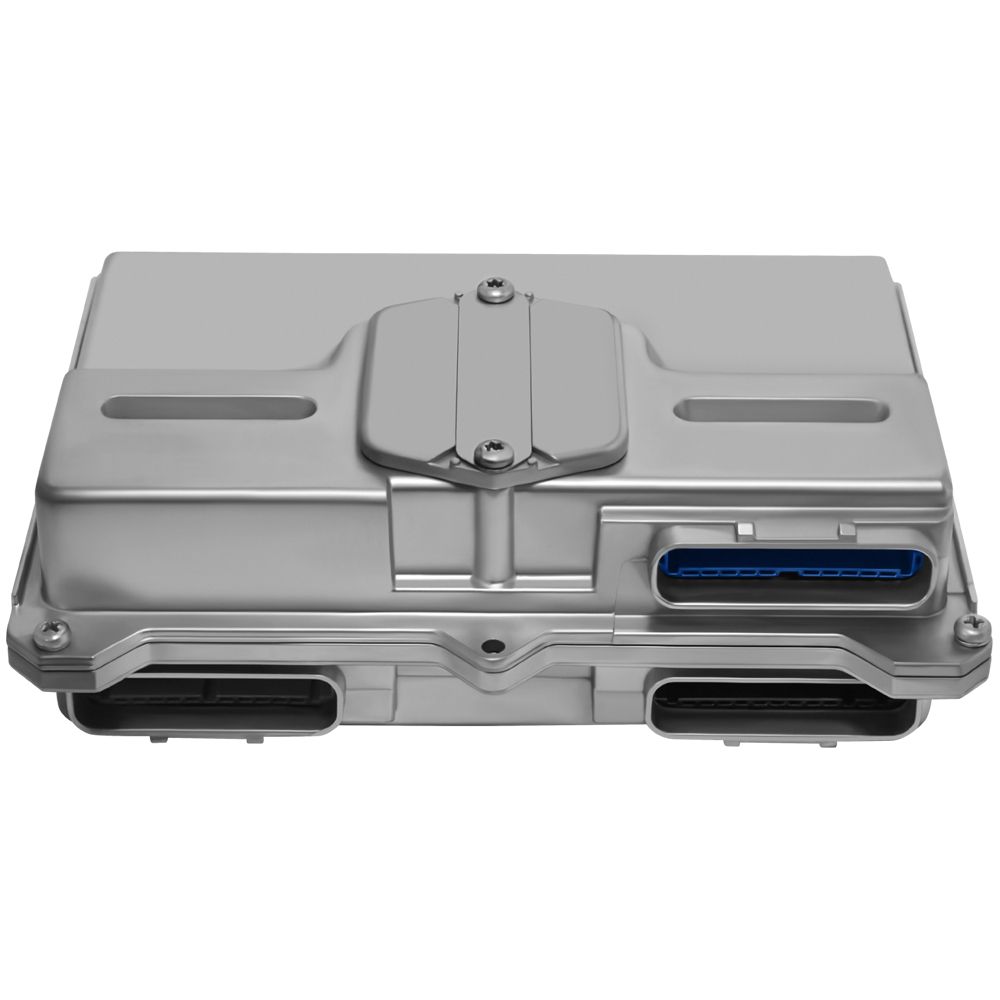
Flagship One stocks a refurbished, VIN-programmed PCM for the 1994 Pontiac Grand Prix with a lifetime warranty, free shipping and no core charge. The full Pontiac Grand Prix module lineup covers other engine configurations as well.
Replacing the Powertrain Control Module in a 1994 Pontiac Grand Prix can return reliable engine performance. Consider a VIN‑programmed replacement to simplify the process and ensure proper operation.