
Last updated on August 25th, 2026 at 02:01 pm
The powertrain control module (PCM) in your 1995 Mazda B2300 manages fuel delivery, ignition timing, and emissions systems. When it fails, you may experience hard starts, stalling, or poor engine performance. This pre-OBD-II module requires precise calibration to maintain drivability.
If your 1995 Mazda B2300 has been acting up—stalling unexpectedly, refusing to start, or running roughly—your vehicle’s powertrain control module (PCM) may be the culprit. This critical component acts as the brain of your engine, managing fuel delivery, ignition timing, and emissions systems to keep everything running smoothly. Unlike modern vehicles with advanced diagnostics, the B2300’s pre-OBD-II system relies on this module to interpret sensor data and adjust engine parameters in real time. When the PCM fails, symptoms can range from subtle performance issues to complete engine shutdown. Understanding its role, location, and replacement process can help you diagnose problems accurately and avoid unnecessary repairs. Whether you’re troubleshooting an existing issue or preparing for a potential replacement, knowing what to expect with this module will save you time and frustration. A properly functioning PCM ensures your B2300 runs efficiently, so addressing problems early is key to maintaining reliability.
1995 Mazda B2300
OEM programmed replacements — plug & play, no dealer visit.
Find yours by year, make & model →
Free shipping · Lifetime warranty
The powertrain control module (PCM) in your 1995 Mazda B2300 is responsible for regulating the engine’s most critical functions. It processes data from sensors throughout the vehicle, such as the throttle position, oxygen, and coolant temperature sensors, to optimize fuel injection and ignition timing. This ensures the engine runs efficiently while meeting emissions standards. Without a properly functioning PCM, your B2300 may struggle with poor fuel economy, rough idling, or even fail to start. The module also plays a role in managing transmission shift points, though its primary focus remains engine performance. Over time, electrical stress, heat, or corrosion can degrade the PCM’s internal components, leading to intermittent or permanent failures. When this happens, you’ll need a reliable replacement to restore your vehicle’s drivability. Opting for replacement engine control modules for the B2300 ensures compatibility and avoids the hassle of programming a generic unit from scratch. Given the B2300’s age, sourcing a module that’s already calibrated for your vehicle’s specifications can simplify the repair process significantly.
The PCM in your 1995 Mazda B2300 is located inside the vehicle, under the dashboard on the passenger side. To access it, you’ll need to remove the lower dashboard panel, which typically involves unscrewing a few fasteners and gently pulling the panel away from the firewall. The module itself is secured in a mounting bracket, and you’ll need to disconnect the wiring harness before removal. Since the PCM is positioned near the vehicle’s interior, it’s protected from direct exposure to the elements, but moisture or corrosion can still affect the connectors over time. Replacing the module involves reversing the removal steps: reinstall the new unit, reconnect the wiring harness, and secure the dashboard panel. While the location is relatively accessible, working in tight quarters may require patience, especially when handling the wiring connections. Always disconnect the battery before starting the replacement to avoid electrical shorts or damage to the new module.
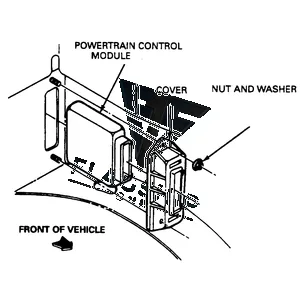
Work with the ignition off, and treat the module as static-sensitive: avoid touching the connector pins at any point.
After installing a new PCM in your 1995 Mazda B2300, the factory procedure requires programming the module to match your vehicle’s specific calibration. This step ensures the engine runs correctly and avoids issues like poor fuel economy or erratic performance. The process typically involves using specialized diagnostic equipment to input your B2300’s VIN and engine parameters, which can be time-consuming and may require a trip to the dealership or a shop with the right tools. However, when you choose a VIN-programmed replacement unit, this step is already completed before the module arrives. Flagship One’s units are pre-calibrated to your vehicle’s specifications, eliminating the need for post-installation programming. This not only saves you time but also reduces the risk of errors during the setup process. Once installed, the module is ready to function immediately, allowing you to get your B2300 back on the road without additional delays.
A failing PCM in your 1995 Mazda B2300 can manifest in several ways, often mimicking other engine or electrical issues. One of the most common signs is a no-start condition, where the engine cranks but fails to fire, as the module may not be sending the correct signals to the fuel injectors or ignition system. Stalling or rough idling can also occur, particularly when the PCM struggles to maintain consistent engine timing or fuel delivery. You might notice the engine hesitating or surging during acceleration, which can feel like a transmission problem but is often tied to the module’s inability to adjust fuel mixtures properly. In some cases, the vehicle may enter a “limp mode,” where power is significantly reduced to prevent further damage. Electrical gremlins, such as intermittent dashboard warning lights or erratic sensor readings, can also point to PCM issues. If the module’s internal memory is corrupted, you may experience repeated internal control module memory check sum error, indicating a fault within the module itself. Since the B2300 lacks the advanced diagnostics of newer vehicles, these symptoms can be frustrating to diagnose, but they often share a common root in the PCM’s declining performance.
The PCM controls fuel injection and ignition timing, so when it malfunctions, the engine may lose the precise signals it needs to run smoothly. This can cause stalling, especially at idle or during sudden acceleration, as the module fails to adjust fuel delivery or spark timing correctly.
Testing the PCM typically requires a multimeter and a wiring diagram to check for proper voltage and ground signals. However, since the module’s internal circuits can degrade without showing obvious electrical faults, a scan tool may be needed to retrieve any stored trouble codes. If the module is suspected, replacement is often the most reliable solution.
A used PCM may work temporarily, but it could have hidden faults or incorrect calibration for your vehicle. Since the B2300’s PCM must match the engine’s specific parameters, a used module might cause drivability issues or fail to communicate with the vehicle’s sensors properly. Programming a used unit to your VIN is also necessary, which adds complexity to the repair.
Sensor issues often trigger specific symptoms, like a bad oxygen sensor causing poor fuel economy or a faulty coolant sensor leading to overheating. If multiple sensors seem to fail simultaneously or the vehicle exhibits erratic behavior across different systems, the PCM is more likely the culprit. A scan tool can help distinguish between sensor faults and module-related codes.
Driving with a failing PCM can be risky, as the vehicle may stall unexpectedly or lose power while in motion. Additionally, a malfunctioning module can cause poor fuel economy or increased emissions, potentially leading to further engine damage. If you suspect PCM issues, it’s best to address them promptly to avoid being stranded or causing secondary problems.
If your 1995 Mazda B2300 is showing signs of PCM failure, you have options for getting it back on the road. While a repair might seem cost-effective, the age of the module and the complexity of diagnosing internal faults often make replacement the more reliable choice. A new or refurbished PCM, pre-programmed to your vehicle’s specifications, ensures compatibility and eliminates the hassle of post-installation calibration. Given the B2300’s pre-OBD-II system, sourcing a module that’s ready to install can save you time and frustration, allowing you to focus on keeping your vehicle running smoothly.
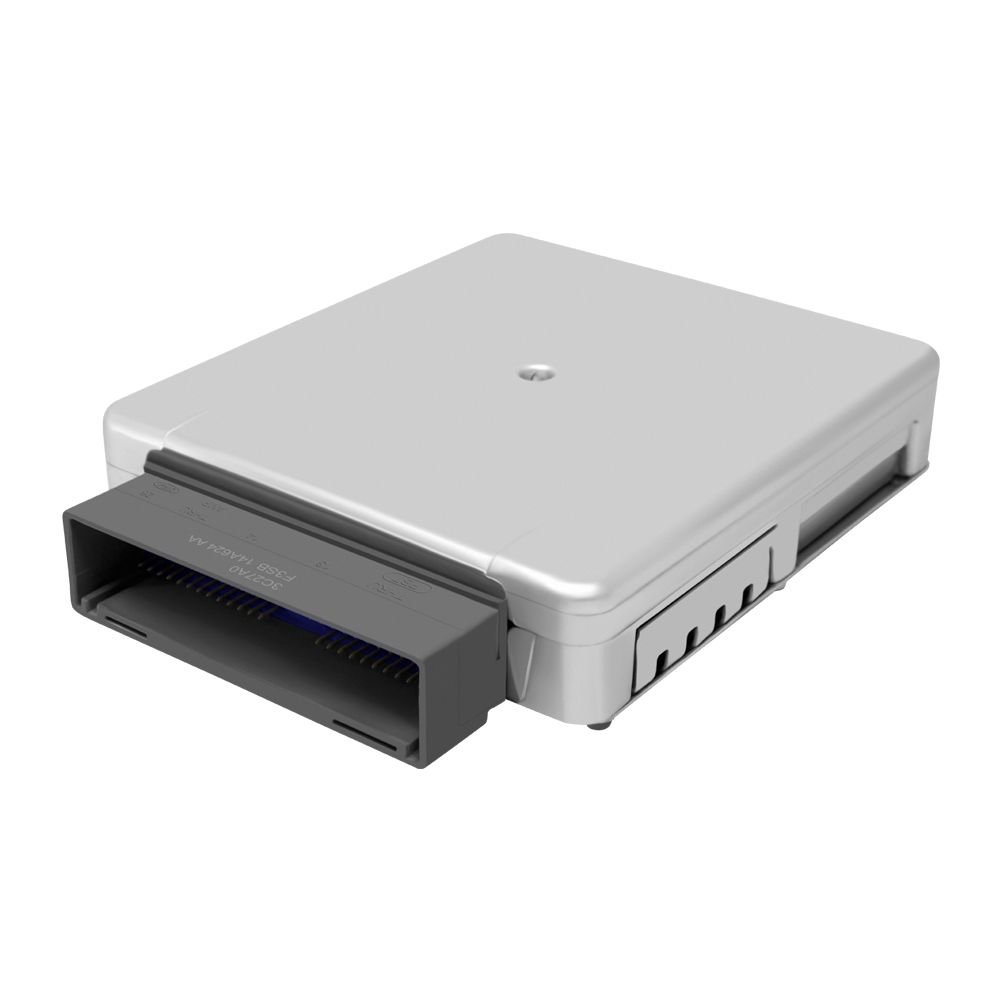
Flagship One stocks a refurbished, VIN-programmed ECM for the 1995 Mazda B2300 with a lifetime warranty, free shipping and no core charge. The full Mazda B2300 module lineup covers other engine configurations as well.
The 1995 Mazda B2300 relies on its PCM to manage critical engine functions, and when this module fails, it can disrupt your vehicle’s performance in frustrating ways. Whether you’re dealing with stalling, no-start conditions, or erratic engine behavior, understanding the PCM’s role and replacement process can help you make informed decisions. Opting for a pre-programmed replacement unit ensures a smooth repair, so you can get back to driving with confidence. Addressing PCM issues promptly will keep your B2300 running reliably for years to come.