
Last updated on August 25th, 2026 at 12:25 pm
The engine control module (ECU) in your 1994 Toyota T100 manages fuel delivery, ignition timing, and idle stability for the 2.7L engine. When it fails, you may experience hard starting, stalling, or poor performance without clear mechanical causes.
If your 1994 Toyota T100 struggles to start, stalls unexpectedly, or runs poorly despite a healthy engine, the issue may lie with the engine control module (ECU). This small but critical computer manages fuel injection, ignition timing, and idle control for the 2.7L engine. Unlike mechanical failures, ECU problems often produce symptoms that seem random—intermittent stalling, poor fuel economy, or even a complete no-start condition. Replacing the module isn’t overly complex, but its location behind the instrument panel means access requires careful disassembly. The factory also mandates a specific waiting period after disconnecting the battery to avoid electrical surges. Understanding these steps helps you decide whether to tackle the job yourself or rely on a shop. If you proceed, using a pre-programmed replacement unit can save time, as it eliminates the need for a separate relearn procedure. This guide covers what the ECU does, where it’s located, common failure signs, and how to approach replacement or repair for your T100.
The engine control module (ECU) in your 1994 Toyota T100 acts as the brain of the fuel and ignition systems. It continuously monitors sensors for engine speed, throttle position, coolant temperature, and oxygen levels to adjust fuel delivery and spark timing in real time. Without a functioning ECU, the engine may run too rich or too lean, misfire, or fail to start altogether. This module is particularly important in pre-OBD-II vehicles like the T100, where diagnostic tools are less sophisticated. When the ECU degrades, symptoms often mimic other issues—such as a failing fuel pump or ignition coil—making diagnosis tricky. Replacement isn’t the only option; some shops can test and refurbish the original unit, though replacement engine computers for the T100 are widely available for those who prefer a new solution. Given its role in managing critical engine functions, a reliable ECU is essential for consistent performance and drivability.
1994 Toyota T100
OEM programmed ECM for your 1994 Toyota T100 — plug & play, no dealer visit.
Free shipping · Lifetime warranty
The ECU in your 1994 Toyota T100 is located behind the instrument panel, which means accessing it requires removing the dashboard trim and possibly the glove box or lower panel. This isn’t a job for quick fixes—replacing the module typically takes 0.7 hours of labor, according to factory estimates. Before starting, you must disconnect the negative battery terminal and wait 90 seconds to prevent electrical surges that could damage the new unit. Once the panel is removed, the ECU is usually secured with a mounting bracket and connected via a multi-pin harness. Carefully unplug the harness, remove the old module, and install the replacement. Torque specifications aren’t provided, but snugging the mounting bolts securely is important to prevent vibration-related issues. After installation, the factory requires a relearn procedure, which adds another 0.5 hours of labor unless you’re using a pre-programmed unit.
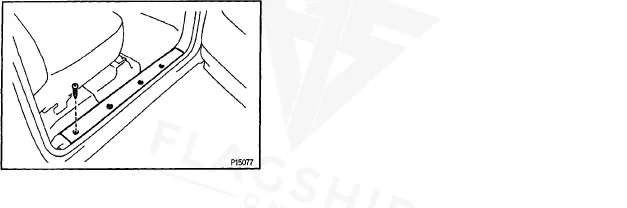
Work with the ignition off, and treat the module as static-sensitive: avoid touching the connector pins at any point.
| Operation | Configuration | Book Time |
|---|---|---|
| Engine Control Module Relearn | All configurations | 0.5 hr |
| Engine Control Module R&R | All configurations | 0.7 hr |
| Powertrain Control Module R&R | All configurations | 0.7 hr |
| Powertrain Control Module Relearn | All configurations | 0.5 hr |
After installing a new ECU in your 1994 Toyota T100, the factory requires a relearn procedure to synchronize the module with the engine’s sensors and fuel system. This process typically takes 0.5 hours and involves specific steps to reset learned values for idle speed, fuel trim, and ignition timing. Without this procedure, the engine may run poorly or fail to start. However, if you opt for a VIN-programmed replacement unit, these steps are already completed at the factory. This means you can install the module and drive immediately, saving time and avoiding potential relearn errors. The pre-programmed unit is matched to your T100’s VIN, ensuring compatibility with the 2.7L engine and eliminating the need for additional software updates or dealer visits. This approach is particularly useful for pre-OBD-II vehicles, where diagnostic tools may not support advanced programming functions.
A failing ECU in your 1994 Toyota T100 may produce symptoms that seem unrelated to a single component. Common signs include a no-start condition, where the engine cranks but doesn’t fire, or intermittent stalling, especially after the engine warms up. You might also notice poor fuel economy, rough idle, or hesitation during acceleration. In some cases, the engine may misfire or run erratically, as if the ignition timing is off. Another red flag is a complete lack of communication with a scan tool, which can indicate the ECU isn’t sending or receiving signals properly. While these symptoms can overlap with other issues—like a bad fuel pump or ignition coil—persistent problems without a clear mechanical cause often point to the ECU. For example, if your T100 stalls repeatedly and the issue isn’t resolved by replacing spark plugs or fuel filters, the module may be the culprit. In rare cases, internal faults can trigger specific behaviors, such as the engine running only at high RPMs or failing to idle smoothly. If you experience these issues, testing the ECU’s power and ground circuits is a good first step before considering replacement.
Stalling after warm-up is a common symptom of a failing ECU in the T100. As the module heats up, internal components may degrade, causing it to lose control of fuel delivery or ignition timing. This often results in the engine cutting out unexpectedly. Testing the ECU’s power and ground circuits can help confirm the issue before replacement.
Replacing the ECU is possible for a DIYer with basic tools, but accessing it behind the instrument panel requires patience. If you’re comfortable removing dashboard trim and working with electrical connectors, you can save on labor costs. However, if you’re unsure about the process or the relearn procedure, a shop may be a better option.
ECU failures often mimic other problems, like fuel pump or ignition coil issues. If your T100 has persistent no-start conditions, stalling, or poor performance without a clear mechanical cause, the ECU may be to blame. Testing the module’s power supply and ground connections can help rule out other issues before replacement.
Skipping the 90-second wait after disconnecting the battery can cause voltage spikes when reconnecting, potentially damaging the new ECU. This precaution is especially important in older vehicles like the T100, where electrical systems are less protected against surges.
A used ECU may work, but it carries risks. The module could be faulty or mismatched to your vehicle’s VIN, leading to performance issues or a no-start condition. If you choose this route, test the unit thoroughly before installation or opt for a pre-programmed replacement to ensure compatibility.
If your 1994 Toyota T100 is experiencing ECU-related issues, you have a few options. Refurbishing the original unit may work if the problem is minor, but replacement is often the most reliable solution. A new or pre-programmed ECU ensures compatibility with your T100’s 2.7L engine and eliminates the need for a separate relearn procedure. Given the labor involved in accessing the module, choosing a unit that’s ready to install can save time and reduce the risk of post-installation issues. Whether you’re a DIYer or working with a shop, understanding the process helps you make an informed decision.
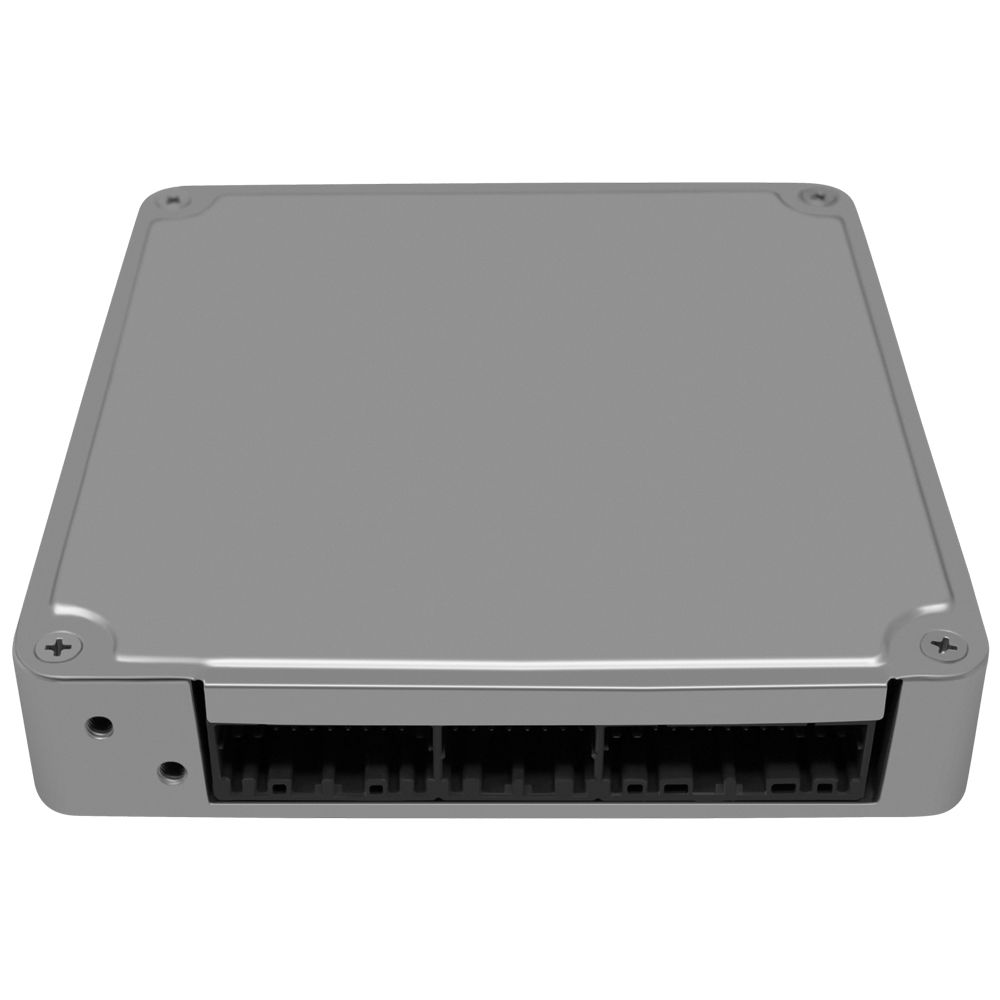
Flagship One stocks a refurbished, VIN-programmed PCM for the 1994 Toyota T100 with a lifetime warranty, free shipping and no core charge. The full Toyota T100 module lineup covers other engine configurations as well.
The ECU in your 1994 Toyota T100 plays a critical role in engine performance, and its failure can lead to frustrating symptoms like stalling or a no-start condition. While replacement isn’t overly complex, the module’s location behind the instrument panel and the factory’s battery disconnect caution add steps to the process. Using a pre-programmed unit can simplify installation, allowing you to get back on the road without additional relearn procedures. If you’re dealing with persistent engine issues, addressing the ECU may be the key to restoring reliable performance in your T100.