
Last updated on August 25th, 2026 at 01:40 pm
The Engine Control Module and Powertrain Control Module are the central computers that manage fuel injection, ignition timing, and emissions systems in your 1992 Festiva. Failure typically stems from heat cycling, connector corrosion, or voltage spikes from jump-starting.
If your 1992 Ford Festiva is experiencing starting problems, running issues, or diagnostic trouble codes that point toward the control module, you are likely facing a decision about whether to repair or replace the Powertrain Control Module. The Festiva, produced during the early 1990s before full OBD-II standardization, relies on an electronic control system that manages the 1.3L engine’s fuel delivery, ignition timing, and idle speed. Unlike later vehicles with more sophisticated onboard diagnostics, the 1992 Festiva’s control module operates with more basic circuitry that can degrade over time due to heat exposure, moisture intrusion, and electrical stress. This guide explains what the control module does, where it is located, what symptoms indicate failure, and what the replacement process involves. You will gain a clear understanding of whether replacement is necessary, what to expect during installation, and how Flagship One units arrive pre-programmed to simplify the process. The information here applies specifically to the 1992 Festiva with the 1.3L four-cylinder engine.
The Powertrain Control Module in your 1992 Ford Festiva serves as the primary electronic brain for the vehicle’s engine management system. This unit, sometimes called the Engine Control Module in earlier terminology, integrates multiple functions into a single housing that controls fuel injection pulse width, spark advance timing, idle air control, and emissions-related components such as the evaporative emission control system. The module receives input from various sensors throughout the engine bay, including the coolant temperature sensor, throttle position sensor, and oxygen sensor, then calculates the appropriate fuel and timing adjustments based on this data. In the Festiva’s specific configuration, the PCM also manages the automatic transmission shift firmness and torque converter lockup, making it a critical component for both driveability and efficiency. When this module fails or experiences internal circuit degradation, the vehicle may enter a limp-home mode or fail to start entirely. The importance of replacement engine computers for the Festiva cannot be overstated, as the module directly controls the air-fuel mixture that determines engine performance, emissions compliance, and fuel economy. Without proper signal processing from the PCM, even good spark plugs, fuel injectors, and sensors cannot function correctly.
1992 Ford Festiva
OEM programmed ECM for your 1992 Ford Festiva — plug & play, no dealer visit.
Free shipping · Lifetime warranty
| Operation | Configuration | Book Time |
|---|---|---|
| Engine Control Module R&R | All configurations | 0.9 hr |
| Powertrain Control Module R&R | All configurations | 0.9 hr |
| Powertrain Control Module Relearn | All configurations | 0.5 hr |
After replacing the Powertrain Control Module in your 1992 Ford Festiva, the factory service procedure requires a relearn procedure to allow the new unit to calibrate to your specific engine. This procedure involves starting the vehicle and allowing it to idle for a specified period while the module learns the idle characteristics, then driving the vehicle through various throttle positions to complete the adaptive fueling tables. The factory labor time for this relearn procedure is 0.5 hours, and the procedure is necessary to ensure the engine runs smoothly and meets emissions thresholds. However, when you purchase a replacement unit from Flagship One, you receive a VIN-programmed replacement unit that arrives pre-configured with your specific Vehicle Identification Number. This means the relearn procedure that would normally require a dealer scan tool and additional labor time is largely already completed before the module is even installed. The unit will still need to establish communication with the vehicle’s sensors upon first startup, but the critical VIN programming and base calibration are already matched to your Festiva, saving you the dealer visit and the 0.5-hour relearn labor charge that would otherwise apply.
When the Powertrain Control Module in a 1992 Ford Festiva begins to fail, the symptoms can range from subtle drivability concerns to complete no-start conditions. One of the most common indicators of module trouble is a no-start condition where the engine cranks normally but receives no fuel injection or spark, suggesting the module has stopped outputting the control signals necessary for engine operation. Stalling after startup is another frequent symptom, particularly when the module’s internal circuitry becomes intermittent due to heat cycling over years of use. Misfire codes may appear even though the spark plugs and injectors are functioning correctly, because the module is not properly timing the injection events or is misinterpreting sensor inputs. In some cases, the scan tool may not communicate with the vehicle at all, which points directly to a failed module or a loss of power to the module. Transmission shifting issues can also manifest, as the 1992 Festiva’s PCM controls shift firmness and torque converter lockup; hard shifting or failure to shift into overdrive may indicate module problems rather than mechanical transmission failures. Additionally, a dead or weak battery after the vehicle has been sitting can sometimes trace to a module that is drawing excessive parasitic current, though this is less common than the driveability symptoms described above. If your Festiva exhibits any combination of these symptoms and diagnostic testing points toward the control module, replacement is typically the most cost-effective repair path.
Factory Service Bulletin #92-17-01 addresses the core return instructions for Ford Engine Control Processors and Powertrain Control Modules under the remanufacturing program. This bulletin provides the specific procedures that must be followed when returning a failed core unit to the manufacturer for remanufacturing credit. The bulletin outlines the required packaging, shipping documentation, and time frame for core returns, ensuring that customers receive proper credit for their old module. For owners of the 1992 Ford Festiva, this bulletin confirms that the Powertrain Control Module is part of Ford’s core exchange program, meaning a remanufactured unit is available as an alternative to purchasing a brand-new replacement. The bulletin does not indicate a specific defect or design flaw in the Festiva’s module, but rather establishes the logistics for the remanufacturing exchange process.
| Bulletin | Subject | What It Addresses |
|---|---|---|
| 92-17-01 | CORE RETURN INSTRUCTIONS – FORD ENGINE CONTROL PROCESSOR – POWERTRAIN CONTROL MODULE – REMANUFA | — |
The 1992 Festiva requires a module programmed for that specific model year and engine combination. A unit from a different model or model year will not have the correct calibration data. Flagship One provides units pre-programmed with your VIN to ensure proper fit and function.
Replacement of the module itself is straightforward for someone with basic automotive skills, as it involves removing a kick panel and swapping connectors. However, proper diagnosis to confirm the module is the cause of the problem, and verification that the new unit is functioning correctly after installation, typically requires diagnostic equipment and expertise.
Diagnosing a bad PCM often involves ruling out other potential causes first, such as checking for power and ground at the module, verifying sensor inputs, and inspecting the wiring harness. If the vehicle has no-start with no diagnostic communication, or displays multiple unrelated trouble codes simultaneously, the PCM is a likely culprit.
Repairing an older PCM from a 1992 vehicle is generally not cost-effective, as the internal circuitry is not easily accessible for component-level repair. Replacement with a remanufactured unit that includes a core credit program is typically the better value and comes with a warranty.
If the relearn procedure is not performed after installing a new or remanufactured PCM, the vehicle may run with incorrect idle air control settings, suboptimal fuel economy, and potentially rough idle. The engine may also fail emissions testing due to improper air-fuel ratio calibration.
When your 1992 Ford Festiva requires a new Powertrain Control Module, you have two primary options: purchasing a brand-new unit from the dealer at significantly higher cost, or choosing a remanufactured replacement that meets or exceeds OEM specifications. The remanufactured approach, supported by factory core return programs like TSB #92-17-01, provides a cost-effective solution while maintaining quality standards. Flagship One units arrive VIN-programmed specifically for your Festiva, eliminating the need for dealer programming appointments and the associated labor costs. Whether you choose a new or remanufactured unit, ensure that the supplier offers technical support in case you encounter installation questions or need to verify proper operation after the swap.
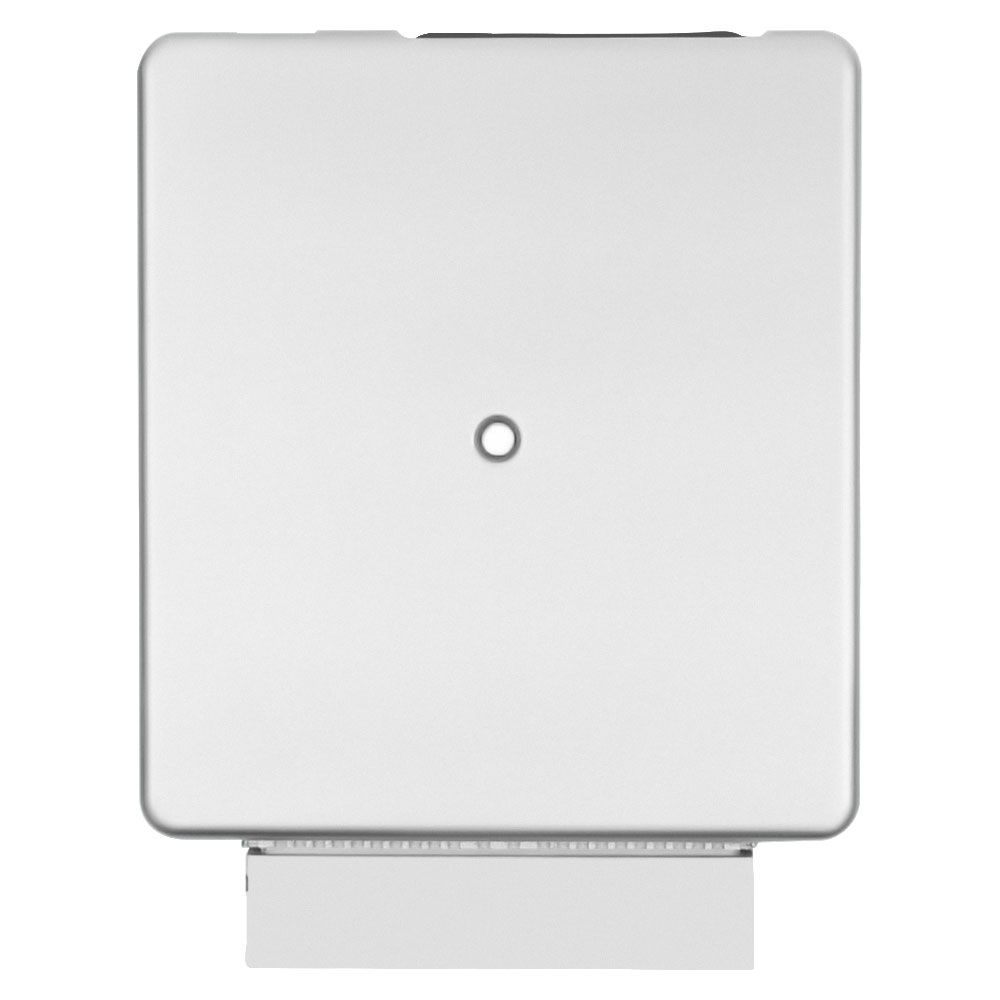
Flagship One stocks a refurbished, VIN-programmed PCM for the 1992 Ford Festiva with a lifetime warranty, free shipping and no core charge. The full Ford Festiva module lineup covers other engine configurations as well.
The Powertrain Control Module in your 1992 Ford Festiva is a critical component that manages engine and transmission functions, and failure of this unit will leave your vehicle inoperable or severely compromised. Understanding the symptoms, replacement procedure, and programming requirements helps you make informed decisions about the repair. Whether you ultimately choose a new or remanufactured unit, the key is ensuring the replacement is properly programmed for your specific vehicle. With the right module installed correctly, your Festiva can return to reliable service for years to come.