
Last updated on August 25th, 2026 at 11:49 am
The engine control module in the 2010 Volkswagen Eos manages fuel injection, ignition timing, and emissions systems for the 2.0L turbocharged engine. When it fails, the vehicle can experience rough running, loss of power, or a complete no‑start condition and may trigger multiple fault codes.
Owners of a 2010 Volkswagen Eos with the 2.0L engine often encounter a check‑engine light accompanied by misfire or emissions codes that point to the engine control module. This article explains what the module does, where it sits, how long a shop typically spends removing and reinstalling it, and what the factory service bulletin recommends. You will learn the typical labor times for both the module swap and the required relearn, the access route through the plenum chamber, and why a VIN‑programmed replacement can save the extra programming step. The information is presented in plain language so you can decide whether a repair, a refurbished unit, or a new module makes the most sense for your situation and avoid unnecessary expense.
The engine control module in the 2010 Volkswagen Eos governs fuel delivery, ignition timing, and the turbocharger wastegate for the 2.0L turbo engine, while also monitoring emissions components such as the catalytic converter and evaporative system. When the module develops an internal fault, the vehicle may run rough, lose power, or refuse to start, and the scan tool can report a cascade of codes ranging from misfires to fuel‑trim deviations. Because the module also stores the vehicle’s immobilizer data, a failure can prevent the key from being recognized, adding a security‑related symptom to the drivability issues. Replacing the unit with a correctly calibrated part restores the factory mapping and clears the fault memory, but the new module must match the vehicle’s VIN to avoid further programming steps. Selecting replacement engine computers for the Eos that arrive pre‑programmed eliminates the relearn procedure and reduces shop time. Proper installation also requires verifying that the connector seals are intact to keep moisture out of the plenum chamber where the module resides.
2010 Volkswagen Eos
OEM programmed ECM for your 2010 Volkswagen Eos — plug & play, no dealer visit.
Free shipping · Lifetime warranty
The factory service procedure reaches the control module in the plenum chamber at the base of the windshield, requiring removal of the cowl panel and any retained clips to expose the unit. According to the published labor times, removing and reinstalling the engine control module takes 0.9 hours, and the subsequent relearn procedure adds another 0.5 hours. The same figures apply to the powertrain control module: 0.9 hours for removal and installation, plus 0.5 hours for its relearn. No torque specifications are listed for the mounting hardware, so the technician follows the standard fastener sequence for the plenum cover. Because the module sits behind the windshield cowl, care must be taken to avoid damaging the windshield seal or the wiring harness that runs along the firewall. After the new module is seated, the connector is re‑engaged and the cowl panel is reinstalled before the relearn routine is initiated.
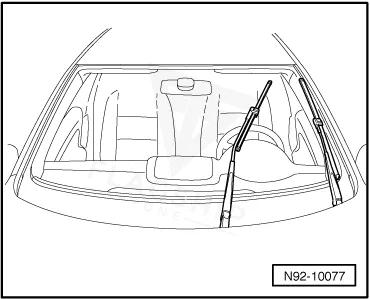
Work with the ignition off, and treat the module as static-sensitive: avoid touching the connector pins at any point.
| Operation | Configuration | Book Time |
|---|---|---|
| Engine Control Module R&R | All configurations | 0.9 hr |
| Engine Control Module Relearn | All configurations | 0.5 hr |
| Powertrain Control Module Relearn | All configurations | 0.5 hr |
| Powertrain Control Module R&R | All configurations | 0.9 hr |
After a module is swapped, the factory routine calls for a relearn of the engine control module (0.5 hours) and a separate relearn of the powertrain control module (0.5 hours) to synchronize fueling, ignition, and transmission strategies with the new hardware. These steps require a scan tool connected to the vehicle’s data link and a stable battery voltage throughout the process. Flagship One supplies a VIN‑programmed replacement unit that already contains the correct calibration for the specific 2010 Volkswagen Eos, so the relearn procedures are completed at the factory and the technician can skip the in‑shop programming time. The result is a faster turnaround and reduced risk of a missed adaptation that could leave a fault code active.
Drivers of the 2010 Volkswagen Eos may notice a rough idle, hesitation during acceleration, or an unexpected stall when the engine control module begins to fail. The check‑engine light often illuminates and a scan tool can reveal a series of misfire codes such as P0300 through P0304, along with fuel‑trim or evaporative‑system codes like P0102, P1297, P0420, or P0441. In many cases the vehicle will crank but not start, or it will start and then die shortly after because the module can no longer command the injectors or ignition coils. A loss of communication with the scan tool is another tell‑tale sign, indicating the module’s internal processor has stopped responding. When a random misfire is logged, the code random misfire detected appears alongside the others, helping the technician confirm that the module rather than a single cylinder is at fault. Prompt diagnosis prevents unnecessary component replacement and limits downtime.
Volkswagen issued service bulletin 01-09-09 for the 2010 Eos equipped with the 2.0L engine. The bulletin describes an update to the engine control module programming that addresses a malfunction indicator lamp illumination accompanied by a cluster of fault codes, specifically misfire codes P0300 through P0304, a mass‑air‑flow code P0102, a turbo‑charger code P1297, a catalyst efficiency code P0420, and an evaporative‑system code P0441. The recommended fix is to reflash the module with the revised software version, which clears the stored codes and restores proper engine management. No hardware replacement is required unless the module itself is damaged.
| Bulletin | Subject | What It Addresses |
|---|---|---|
| 01-09-09 | Attachment: 01-09-09 – Update Programming, MIL ON, DTCs P0300-P0304, P0102, P1297, P0420 and P0 | — |
The factory labor guide lists 0.9 hours for removal and installation of the engine control module, plus an additional 0.5 hours for the required relearn procedure.
Yes, the service information shows a 0.9‑hour removal and installation time for the powertrain control module and a 0.5‑hour relearn, independent of the engine control module steps.
A module that arrives pre‑programmed to the vehicle’s VIN already contains the correct calibration, so the technician can skip the factory relearn procedures and proceed directly to verification.
When the engine control module in a 2010 Volkswagen Eos fails, you can choose to have the original unit repaired, install a refurbished module, or fit a new replacement that matches the vehicle’s VIN. A repaired unit may cost less but carries the risk of recurring faults if the root cause is not fully resolved. A refurbished or new module that arrives pre‑programmed removes the relearn step and restores factory performance with a predictable warranty.
Flagship One stocks a refurbished, VIN-programmed PCM for the 2010 Volkswagen Eos with a lifetime warranty, free shipping and no core charge. The full Volkswagen Eos module lineup covers other engine configurations as well.
The 2010 Volkswagen Eos relies on a properly calibrated engine control module for smooth turbo operation and emissions compliance. Understanding the module’s location, labor requirements, and the factory bulletin that addresses common fault codes helps you make an informed repair decision. If a replacement is needed, a VIN‑matched unit can simplify the job and get your Eos back on the road with confidence.