
Last updated on August 25th, 2026 at 11:58 am
The engine and powertrain computers in a 2014 Toyota Prius manage fuel delivery and hybrid system coordination. When these internal circuits fail, the vehicle may experience performance loss or fail to start, often triggering specific diagnostic trouble codes that indicate internal processor errors.
Dealing with computer failures in a 2014 Toyota Prius can be challenging due to the complexity of the hybrid powertrain. The Powertrain Control Module (PCM) and Engine Control Module (ECM) serve as the primary brains for the vehicle, regulating everything from spark timing to battery integration. When these components malfunction, you may notice erratic idling or a complete loss of propulsion. Understanding how these modules operate and the labor involved in replacing them helps you plan your repair more effectively. This guide explains the role of these computers, the physical steps required for installation, and the necessity of proper programming. By identifying the correct symptoms and following factory labor guidelines, you can ensure a more reliable restoration of your vehicle’s drivability and efficiency.
The engine and powertrain computers in a 2014 Toyota Prius synchronize the internal combustion engine with the electric motors to optimize fuel economy. These modules monitor countless sensors to adjust air-fuel ratios and gear transitions in real-time. Because they manage critical safety and emissions functions, a failing unit can cause the vehicle to enter a limp mode or shut down entirely. Finding high-quality replacement engine computers for the 2014 Toyota Prius ensures that the complex communication between the hybrid battery and the engine remains stable. Without precise electronic control, the vehicle cannot maintain its intended efficiency or smooth power delivery. These computers are essentially the central hub for all diagnostic data, meaning most engine-related issues will first be reported through these modules via the OBD-II port.
2014 Toyota Prius Powertrain and
OEM programmed replacements — plug & play, no dealer visit.
Find yours by year, make & model →
Free shipping · Lifetime warranty
To replace the control modules in a 2014 Toyota Prius, you must first disconnect the wire from the negative auxiliary battery post. The labor for removing and installing the Powertrain Control Module is estimated at 0.7 hours. Similarly, the removal and installation of the Engine Control Module is also listed at 0.7 hours. These units are typically mounted in accessible areas of the engine bay, though precision is required during the wiring connection process to avoid pin damage. Once the physical installation is complete, the vehicle requires specific software steps to function. The book time for an Engine Control Module reset is 0.3 hours. These time estimates provide a baseline for the mechanical effort required to swap the hardware before the electronic configuration begins.
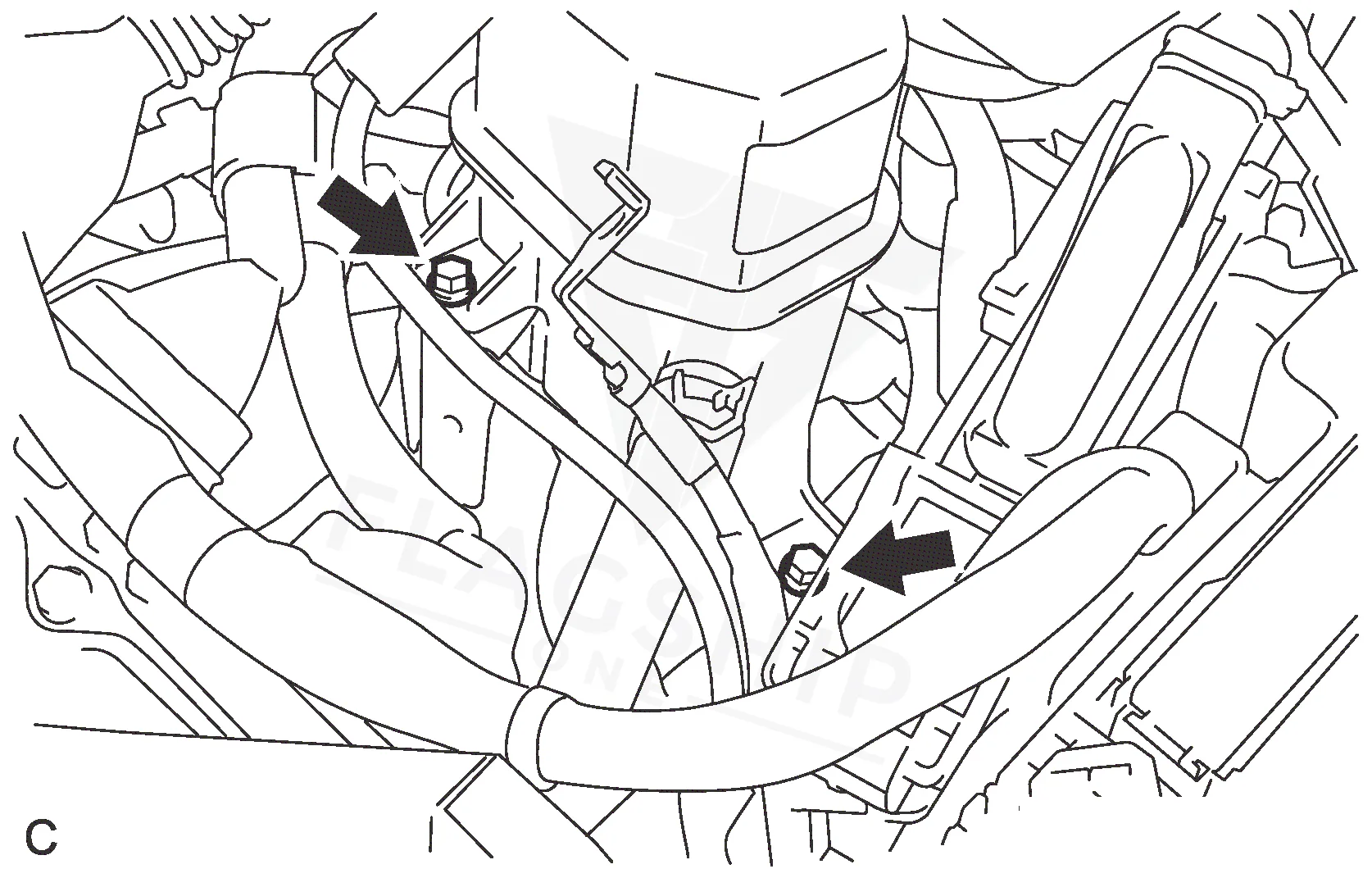
Work with the ignition off, and treat the module as static-sensitive: avoid touching the connector pins at any point.
| Operation | Configuration | Book Time |
|---|---|---|
| Powertrain Control Module R&R | All configurations | 0.7 hr |
| Powertrain Control Module Relearn | All configurations | 0.5 hr |
| Engine Control Module Relearn | All configurations | 0.5 hr |
| Engine Control Module R&R | All configurations | 0.7 hr |
| Engine Control Module Reset | All configurations | 0.3 hr |
After installing a new module, factory procedures typically require a relearn process. For the 2014 Toyota Prius, the Powertrain Control Module relearn and the Engine Control Module relearn are each estimated at 0.5 hours. These steps are necessary to sync the new hardware with the vehicle’s specific configuration. However, choosing a VIN-programmed replacement unit from Flagship One eliminates the need for these time-consuming dealer visits. Because the unit arrives already configured to your specific vehicle identification number, the complex relearn and programming stages are completed before the part reaches your door, significantly reducing the total time your vehicle spends in the shop.
A failing computer in a 2014 Toyota Prius often manifests as a sudden no-start condition or unexpected stalling while driving. You might notice the engine misfiring or experience erratic shifting patterns as the hybrid system struggles to coordinate power. In some cases, a scan tool may fail to communicate with the module entirely, leaving you with no diagnostic data. A common indicator of an internal processor fault is the appearance of a P0606 trouble code on the dashboard. These electronic failures can also lead to poor fuel economy or an unstable idle. When the internal circuitry of the PCM or ECM degrades, the vehicle’s onboard diagnostics will typically trigger a malfunction indicator lamp to warn the driver of an impending system failure.
The following list includes the module-internal diagnostic trouble codes specifically documented for the 2014 Toyota Prius. These codes typically point to internal hardware failures rather than external sensor issues.
| Code | Meaning | Full Guide |
|---|---|---|
| P0606 | Module processor failure | Full P0606 guide → |
The removal and installation of the Powertrain Control Module is estimated at 0.7 hours. Additional time may be needed for the relearn process, which is quoted at 0.5 hours.
To reach the modules, you must first remove the wire from the negative auxiliary battery post. This ensures the system is powered down during the swap.
Yes, the factory guidelines include an Engine Control Module reset. This specific procedure is estimated to take 0.3 hours.
Depending on your budget and goals, you may choose between a fully new replacement or a refurbished unit. For the 2014 Toyota Prius, ensuring the module is correctly programmed to your VIN is the most critical step for a successful repair. Choosing a pre-programmed option reduces the risk of installation errors and avoids the need for expensive dealership programming hours, allowing you to get your hybrid back on the road faster.
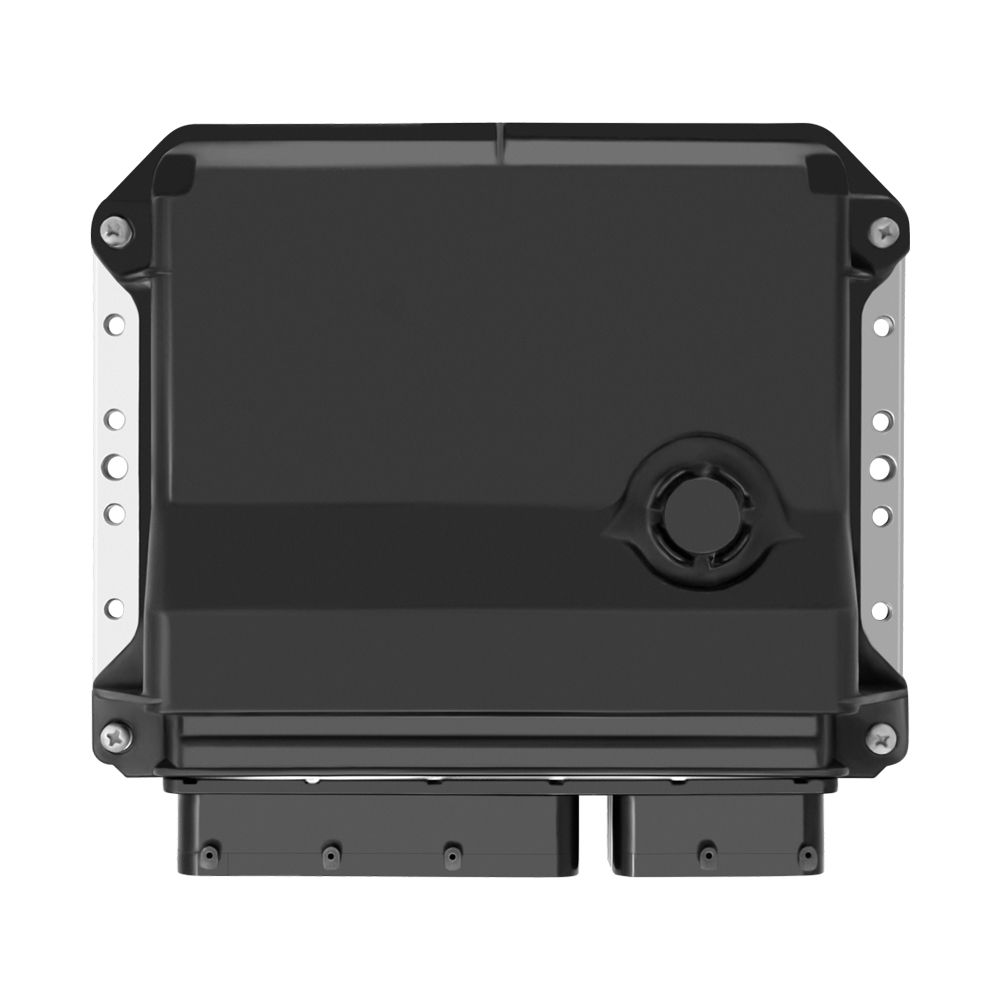
Flagship One stocks a refurbished, VIN-programmed PCM for the 2014 Toyota Prius with a lifetime warranty, free shipping and no core charge. The full Toyota Prius module lineup covers other engine configurations as well.
Restoring the electronic control systems in your 2014 Toyota Prius is essential for maintaining the efficiency and reliability of the hybrid powertrain. By following the recommended labor times and ensuring the negative battery wire is disconnected, you can perform a safe installation. If you are experiencing processor faults or communication errors, a programmed replacement module is the most effective solution.