
Last updated on August 25th, 2026 at 11:59 am
The powertrain control module in the 2012 Toyota Tacoma acts as the central processing hub for engine and transmission management. When this unit experiences an internal malfunction, it often triggers specific diagnostic codes and may lead to noticeable drivability concerns or a no-start condition.
When the engine control module in your 2012 Toyota Tacoma begins to fail, it can disrupt the communication between various powertrain sensors and actuators, leaving you with an unresponsive vehicle. Understanding the role of this critical computer, as well as the replacement and relearning procedures, helps you make informed repair decisions. Replacing the unit involves more than simply swapping parts; specific programming steps are necessary for the new module to communicate with your vehicle’s other systems. This guide outlines what the module does, how to access it, and the exact programming requirements the manufacturer specifies for a successful installation. By knowing what to expect, you can approach the repair confidently and ensure your Tacoma runs smoothly again.
In the 2012 Toyota Tacoma, the engine control module serves as the primary computer governing fuel delivery, ignition timing, and emissions controls. It constantly processes data from various sensors to adjust operating parameters, ensuring the 4.0L engine runs efficiently. When this unit malfunctions, it disrupts these calculations, which may cause rough idling, reduced power, or a complete failure to start. Because the module is integral to vehicle operation, finding replacement engine computers for the 2012 Toyota Tacoma quickly becomes essential to restore proper function. The unit also coordinates with the transmission control system to manage shift points, meaning a fault could lead to erratic shifting or hesitation. Replacing a defective unit with a properly programmed counterpart ensures your vehicle’s powertrain operates as the manufacturer intended, avoiding the cascading effects of poor engine management.
2012 Toyota Tacoma X-Runner
OEM programmed ECM for your 2012 Toyota Tacoma X-Runner — plug & play, no dealer visit.
Free shipping · Lifetime warranty
To access the unit on the 2012 Toyota Tacoma, you must first detach the electrical lead from the negative battery post. The manufacturer specifies a book time of 0.7 hours for powertrain control module removal and installation, while engine control module removal and installation is rated at 0.5 hours. After physically installing the replacement, additional time is often required for programming procedures. Powertrain control module relearn procedures take roughly 0.5 hours, and engine control module relearn operations also require 0.5 hours. An engine control module reset adds 0.3 hours to the service time. These times reflect the standard effort needed to complete the physical swap and the subsequent software calibration, ensuring the new unit integrates seamlessly with your vehicle’s existing network of sensors and components.
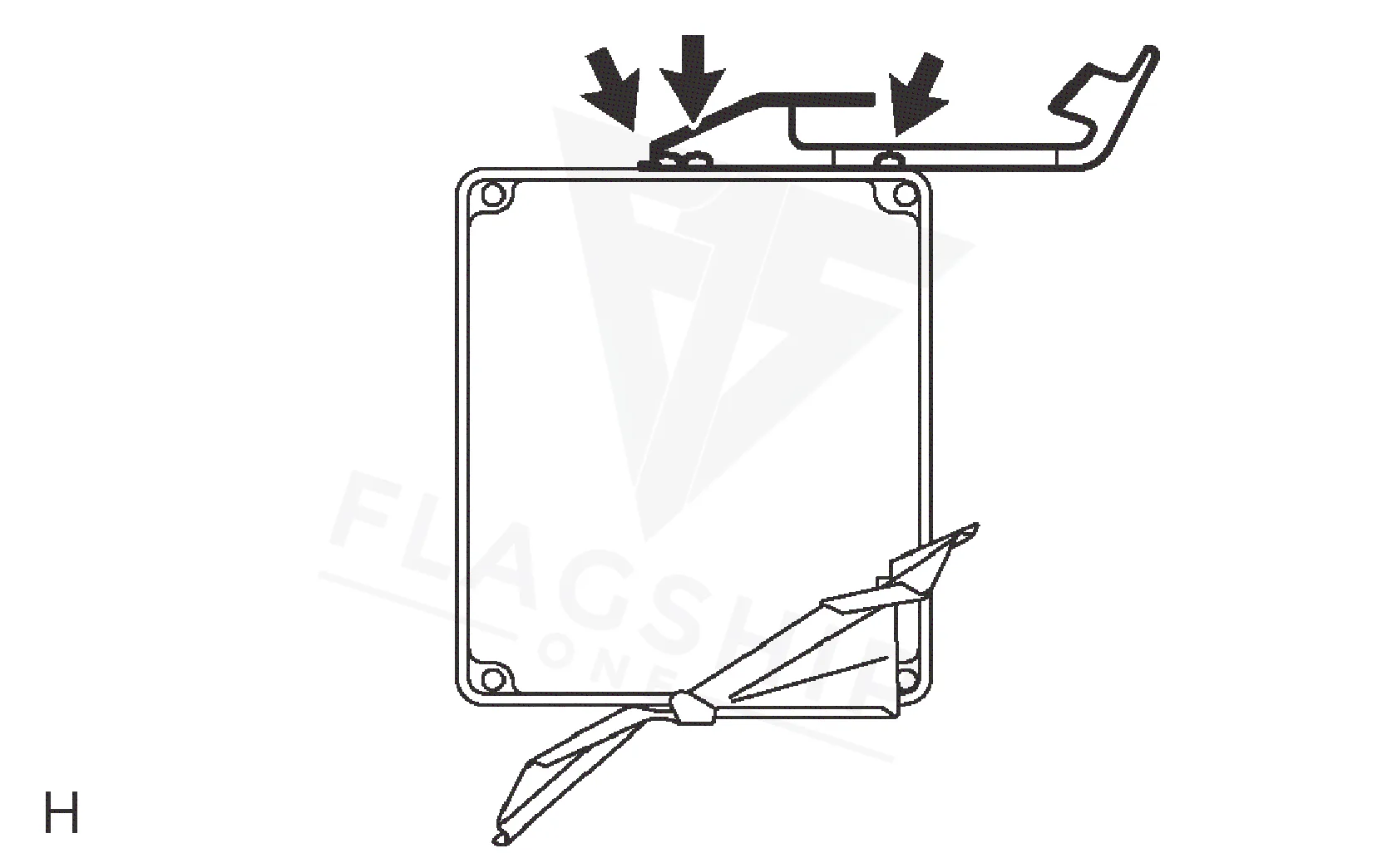
Work with the ignition off, and treat the module as static-sensitive: avoid touching the connector pins at any point.
| Operation | Configuration | Book Time |
|---|---|---|
| Powertrain Control Module R&R | All configurations | 0.7 hr |
| Powertrain Control Module Relearn | All configurations | 0.5 hr |
| Engine Control Module Relearn | All configurations | 0.5 hr |
| Engine Control Module R&R | All configurations | 0.5 hr |
| Engine Control Module Reset | All configurations | 0.3 hr |
Following the installation of a new module, the manufacturer mandates specific setup procedures. You must complete VIN registration alongside throttle body initialization whenever installing a replacement engine computer. Furthermore, whenever you install a new automatic transmission, engine, or engine computer, an AT initialization memory reset is necessary. These steps ensure the new computer recognizes the vehicle and calibrates the throttle and transmission shift points accordingly. Skipping these protocols may result in poor idle quality or shifting abnormalities. Choosing a pre-programmed replacement unit from Flagship One eliminates the need for these extensive post-installation programming steps, as the necessary VIN registration and initialization data are already loaded onto the device before it ships.
A failing engine control module in the 2012 Toyota Tacoma often presents several noticeable drivability issues. You might experience difficulty starting the engine, unexpected stalling at idle, or misfires under acceleration. The vehicle may also suffer from poor fuel economy or sluggish throttle response. In some cases, the module may lose communication with diagnostic scan tools, making it difficult to read live data. Transmission shifting irregularities, such as harsh or delayed shifts, can also occur since the engine and transmission computers share operational data. When the internal processor encounters a fault, the system will log specific errors, and you may find an internal processor fault code stored in the module’s memory. Addressing these symptoms promptly helps prevent secondary damage to catalytic converters or transmission components caused by improper fuel and spark management.
The 2012 Toyota Tacoma utilizes specific diagnostic trouble codes to indicate internal module failures. When the onboard diagnostics detect a malfunction within the computer’s processor, it logs these errors to guide technicians. Reviewing these module-specific codes helps pinpoint whether the unit requires replacement.
| Code | Meaning | Full Guide |
|---|---|---|
| P0606 | Module processor failure | Full P0606 guide → |
VIN registration involves programming the vehicle’s unique identification number into the new engine control module so it can communicate with the immobilizer and other onboard systems. Without this step, the vehicle typically will not start or run properly.
Throttle body initialization teaches the new module the fully closed and fully open positions of the throttle plate. This ensures accurate idle control and prevents unstable engine speeds after the new computer is installed.
Driving with an internal processor fault code is generally not recommended because the module may shut down unexpectedly or mismanage fuel and ignition timing. This can lead to stalling in traffic or potential damage to other engine components.
Deciding between repairing your existing unit or opting for a refurbished replacement for your 2012 Toyota Tacoma depends on the nature of the failure. While some minor circuit board issues might be repairable, internal processor faults typically require a complete unit exchange. A refurbished module programmed specifically for your vehicle offers a straightforward, reliable solution that avoids complex dealership programming procedures.
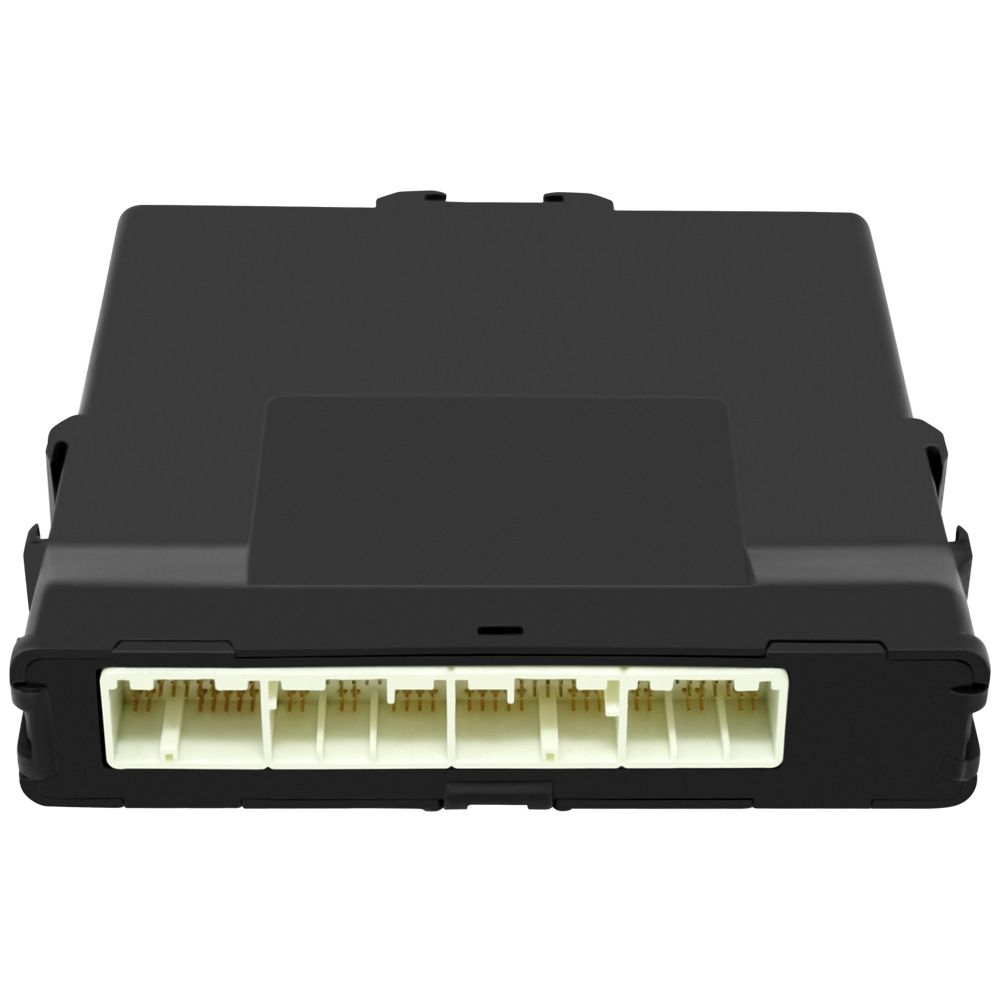
Flagship One stocks a refurbished, VIN-programmed PCM for the 2012 Toyota Tacoma X-Runner with a lifetime warranty, free shipping and no core charge. The full Toyota Tacoma X-Runner module lineup covers other engine configurations as well.
Addressing engine control module issues in your 2012 Toyota Tacoma promptly helps restore reliable performance and prevents further drivability complications. Understanding the necessary programming steps and labor times ensures you are fully prepared for the replacement process. When you are ready to resolve the fault and get your truck back on the road, exploring pre-programmed replacement options can save significant time and effort.