
Last updated on August 25th, 2026 at 12:00 pm
The engine management system relies on a central computer to monitor sensors and control fuel delivery. When this unit fails, your 2009 Toyota Tacoma X-Runner may experience drivability issues ranging from stalling to poor shifting performance. Understanding the role of this component helps diagnose electrical faults accurately.
When your truck exhibits erratic behavior, identifying the root cause often leads to the engine computer. Owners of the 2009 Toyota Tacoma X-Runner frequently encounter questions regarding module replacement and the associated labor requirements. This guide explains the technical aspects of servicing these critical electronic components without relying on guesswork. You will learn about standard book times for removal and installation, which helps in estimating repair costs accurately. Understanding the difference between resetting and relearning procedures is essential for proper restoration of function. Factory service bulletins provide context for known calibration issues affecting shifting quality. We discuss the specific steps technicians follow to ensure compatibility after hardware swaps. This information empowers you to communicate effectively with service providers about necessary procedures. Proper handling of electronic control units prevents unnecessary damage during the repair process. You gain clarity on what constitutes standard practice for this specific model year. Detailed knowledge reduces the risk of incomplete repairs that could lead to return visits. Technical specifications vary between powertrain and engine control modules, affecting labor allocation. Some procedures focus on resetting internal parameters while others require full relearning sequences. The complexity of modern vehicle electronics demands precise adherence to manufacturer guidelines. Ignoring these steps may result in persistent drivability concerns despite hardware replacement. Your vehicle depends on accurate communication between sensors and the central processing unit. Ensuring this link remains intact is vital for long-term reliability.
2009 Toyota Tacoma X-Runner
OEM programmed ECM for your 2009 Toyota Tacoma X-Runner — plug & play, no dealer visit.
Free shipping · Lifetime warranty
The central computer manages ignition timing and fuel mixture based on input from various sensors throughout the engine bay. In the 2009 Toyota Tacoma X-Runner, this component processes data to optimize power delivery and emissions compliance. Failure within this unit can disrupt the entire operational sequence of the powertrain. You might notice hesitation during acceleration or irregular idle speeds when communication errors occur. Technicians often recommend seeking replacement engine computers for the Tacoma when diagnostics point to internal processor faults. These modules store adaptive learning data that adjusts to driving habits over time. Losing this data during replacement requires specific initialization procedures to restore optimal performance. The system monitors oxygen sensors and throttle position to maintain efficient combustion cycles. Electrical disturbances or voltage spikes may corrupt memory sectors within the control unit. Regular maintenance of the charging system helps protect sensitive electronics from premature failure. Understanding the function of this hardware clarifies why certain symptoms appear during malfunctions. It acts as the brain of the vehicle, coordinating multiple subsystems simultaneously. Without proper function, the transmission may not shift correctly due to missing data signals. This interdependence highlights the importance of accurate diagnosis before committing to hardware replacement. Environmental factors like heat and vibration contribute to solder joint fatigue over many years of service. Moisture intrusion through compromised seals can also lead to corrosion on internal circuit boards. The durability of these components is generally high, but age-related wear remains a possibility. Proper ventilation around the module location assists in thermal management during heavy load conditions.
Accessing the control module typically involves removing interior trim panels or underhood covers depending on the specific placement. Labor guides suggest that removing and installing the powertrain control module takes 0.7 hours to complete. Separate allocations exist for the engine control module, which generally requires 0.5 hours for removal and installation tasks. Relearn procedures for the powertrain control module often take 0.5 hours to finalize configuration settings. Similarly, relearning procedures for the engine control module usually demand 0.5 hours of technician time. Resetting the engine control module may take approximately 0.3 hours depending on the diagnostic tool used. These times represent standard book values and may vary based on shop equipment and technician experience. Physical access might require disconnecting battery terminals to prevent electrical shorts during the process. Securing connectors properly ensures reliable communication paths are established after reassembly. Torque specifications should be followed if mounting bolts are removed during the service operation.
| Operation | Configuration | Book Time |
|---|---|---|
| Powertrain Control Module R&R | All configurations | 0.7 hr |
| Powertrain Control Module Relearn | All configurations | 0.5 hr |
| Engine Control Module Relearn | All configurations | 0.5 hr |
| Engine Control Module R&R | All configurations | 0.5 hr |
| Engine Control Module Reset | All configurations | 0.3 hr |
Factory procedures often require flashing or reprogramming the new module to match vehicle specifications. This step ensures the software calibration aligns with the engine and transmission configuration. Technicians use specialized diagnostic interfaces to upload the correct data files from the manufacturer server. Skipping this process can leave the vehicle in a limp mode or prevent starting entirely. Flagship One units arrive as a VIN-programmed replacement unit so those steps are already done. This eliminates the need for additional shop time dedicated to software initialization tasks. The programming matches the unique identity of your truck to the new hardware seamlessly. Verifying communication protocols after installation confirms that all systems are talking correctly. Some older methods required manual resets while newer models utilize automated flash procedures. Ensuring the battery voltage remains stable during any programming event prevents data corruption. Professional tools verify the integrity of the installation before the vehicle returns to service.
Common signs of module failure include unexpected stalling when coming to a stop or difficulty starting the engine. You may experience intermittent loss of power during acceleration due to incorrect fuel mapping signals. Transmission shifting issues often arise because the computer fails to send proper shift commands to the gearbox. Dead scan-tool communication indicates a complete loss of data exchange between the diagnostic port and the module. Misfire codes may appear even when ignition components are in good condition due to processing errors. Rough idle conditions can persist despite cleaning throttle bodies and replacing spark plugs. Check engine lights may illuminate frequently without storing consistent trouble codes for specific components. Electrical gremlins such as flickering dashboard lights often accompany serious control unit failures. Fuel economy might drop significantly as the system defaults to a rich safety mode. In some cases, the vehicle may enter a fail-safe mode that limits speed and RPM. These symptoms suggest the brain of the engine is struggling to process sensor inputs correctly. Diagnosing these issues requires ruling out simple causes like bad grounds or weak batteries first. Persistent problems after basic repairs point toward the central processing unit as the likely culprit. Hesitation during throttle input suggests the computer is not interpreting pedal position accurately. Surging at constant speeds indicates unstable control loops within the software logic. Random shutdowns while driving pose a safety risk and warrant immediate attention.
Factory service bulletins address known calibration concerns for this model year. One document covers an update aimed at improving shift quality and smoothness for Canadian market vehicles. A similar bulletin exists for general markets focusing on calibration improvements for shifting. Another procedure outlines the Techstream ECU flash reprogramming method for models spanning 2001 through 2011. These updates aim to refine how the transmission interacts with engine output under various loads. Technicians reference these documents when diagnosing shifting harshness or hesitation complaints. Applying the latest calibration can resolve issues without requiring hardware replacement in some instances. Always verify if your vehicle qualifies for these updates before proceeding with repairs.
| Bulletin | Subject | What It Addresses |
|---|---|---|
| T-TCI-3310 | ’09 Tacoma: Ecm Calibration: Enhancement to Shifting Performance & Smoothness (Canada) | — |
| T-SB-0373-09 | 09 Tacoma: ECM Calibration: Enhancement to Shifting Performance & Smoothness | — |
| T-SB-0064-10 | 01-11 Applicable Toyota Models: Techstream ECU Flash Reprogramming Procedure | — |
Diagnosis requires scanning for communication losses and ruling out sensor failures first. Persistent issues after basic repairs often point to the control unit.
Used modules typically require reprogramming to match your vehicle identity and immobilizer system. Pre-programmed units simplify this installation process significantly.
Book times vary between 0.3 hours and 0.7 hours depending on the specific procedure performed. Relearn steps add additional time to the total estimate.
Service bulletins indicate calibration updates may improve shifting performance and smoothness. Hardware failure requires replacement rather than just software updates.
Driving with a failing unit risks stalling or entering limp mode unexpectedly. Immediate repair is recommended to ensure safe operation of your truck.
Choosing between repair and refurbished replacement depends on the extent of internal damage. Refurbished units offer a cost-effective solution with pre-loaded software configurations. This option reduces downtime compared to sourcing and programming a raw replacement part. You should weigh the warranty coverage and reliability of each option carefully. Professional installation ensures all connections are secure and systems are verified.
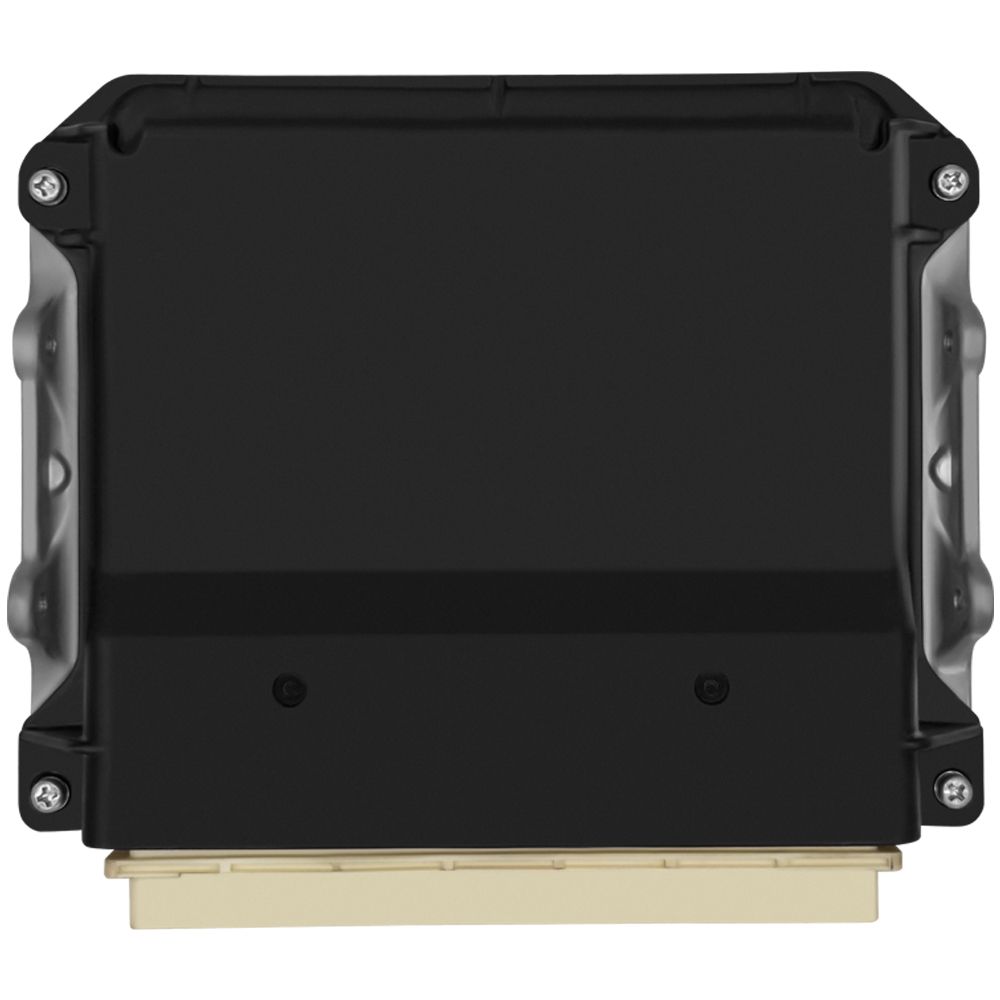
Flagship One stocks a refurbished, VIN-programmed PCM for the 2009 Toyota Tacoma X-Runner with a lifetime warranty, free shipping and no core charge. The full Toyota Tacoma X-Runner module lineup covers other engine configurations as well.
Servicing the electronic controls in your 2009 Toyota Tacoma X-Runner requires attention to detail and proper procedures. Understanding labor times and calibration needs helps you manage expectations for the repair process. Reliable performance returns when the correct hardware and software configurations are in place. Contact our team for specific compatibility details regarding your truck.