
Last updated on August 25th, 2026 at 11:59 am
The engine control module in your 2012 Toyota Avalon governs fuel injection, ignition timing and emissions systems through continuous sensor monitoring. Internal processor faults or voltage spikes may disrupt communication between microprocessors, often triggering stored fault codes and drivability concerns that require diagnostic confirmation.
When your 2012 Toyota Avalon develops mysterious drivability issues, the engine control module often escapes initial suspicion until simpler repairs fail. Yet this processor serves as the vehicle’s central nervous system, continuously interpreting sensor data and commanding precise fuel delivery for the six-cylinder engine. Understanding how this component functions helps you distinguish between simple sensor failures and genuine internal module faults that resist basic troubleshooting. You will learn to recognize failure patterns specific to your Avalon, understand why professional diagnosis matters, and discover what replacement truly involves in terms of labor and programming. This knowledge lets you discuss repairs confidently with technicians, evaluate shop estimates accurately, and avoid unnecessary component swaps that waste time and money.
The engine control module in your 2012 Toyota Avalon functions as the powertrain brain, processing continuous data streams from oxygen sensors, throttle position switches and crankshaft monitors to optimize combustion efficiency. It adjusts ignition timing within milliseconds and manages transmission shift points through integrated logic circuits that communicate with antilock brake controllers. When this unit fails, your vehicle may experience intermittent stalling, harsh shifting or complete shutdown without triggering preliminary warning lights. Replacing replacement engine computers for the Avalon requires understanding that this sealed unit contains both hardware and calibration data specific to your VIN and emissions configuration. The module must withstand constant engine vibration and extreme temperature cycling while maintaining precise voltage regulation across sensitive circuit board traces. Failure typically stems from internal solder joint fractures, capacitor degradation or voltage spike damage rather than external contamination or moisture intrusion.
2012 Toyota Avalon
OEM programmed replacements — plug & play, no dealer visit.
Find yours by year, make & model →
Free shipping · Lifetime warranty
Technicians begin by disconnecting the negative battery cable to prevent electrical shorts during module service. The removal and installation procedure carries a book time of 0.4 hours for either the engine control module or powertrain control module designation. After physical installation, the factory service procedure requires a relearn sequence accounting for 0.5 additional hours on the repair order. This covers initialization routines and communication checks between the new processor and existing vehicle systems including immobilizer synchronization. Your shop may combine these operations into a single service line, though estimating guides list them separately for clarity and insurance documentation. The brief labor times suggest straightforward accessibility without extensive interior disassembly or complex bracket removal, making this a manageable same-day repair.
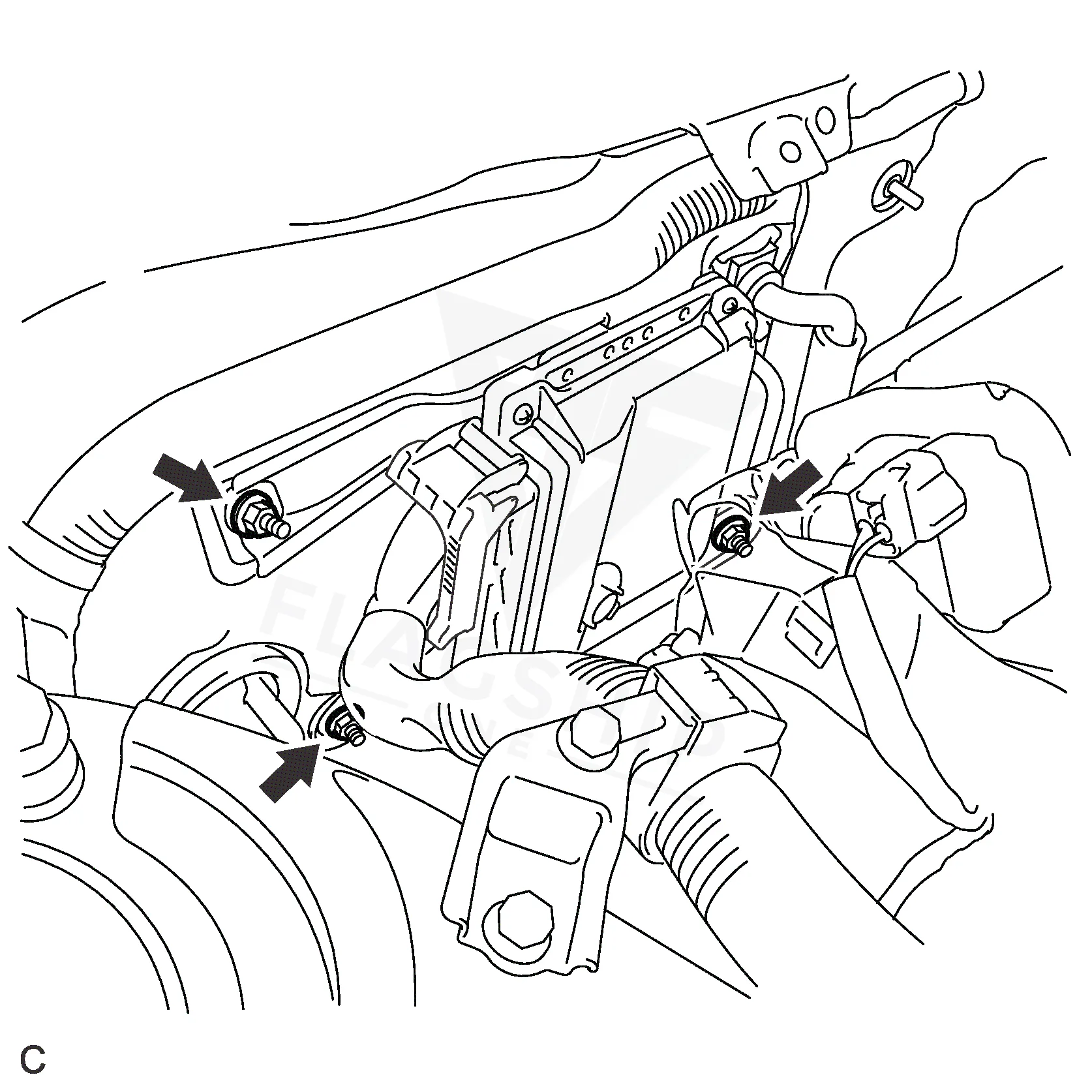
Work with the ignition off, and treat the module as static-sensitive: avoid touching the connector pins at any point.
| Operation | Configuration | Book Time |
|---|---|---|
| Engine Control Module Relearn | All configurations | 0.5 hr |
| Engine Control Module R&R | All configurations | 0.4 hr |
| Powertrain Control Module R&R | All configurations | 0.4 hr |
| Powertrain Control Module Relearn | All configurations | 0.5 hr |
Factory replacement procedures require technicians to perform initialization and system relearns that consume 0.5 hours of labor time. These steps establish communication between the processor and your Avalon’s immobilizer, transmission control unit, and body electronics. When you order a VIN-programmed replacement unit, this calibration work arrives complete from the supplier. The module plugs in and communicates immediately without requiring dealership programming appointments or additional software purchases. Your technician simply installs the hardware, clears residual fault codes, and verifies operation through a road test. This pre-programming eliminates the risk of failed initialization attempts and gets your vehicle operational faster than blank module alternatives.
Module failure in your 2012 Toyota Avalon typically manifests as intermittent no-start conditions where the starter cranks but ignition never occurs. You may notice sudden stalling at traffic lights followed by immediate restart capability or extended cranking periods. Scan tools often lose communication with the engine controller entirely, displaying link errors instead of live data. Internal processor faults generate PCM processor fault code P0606 readings that indicate microprocessor integrity checks have failed. Transmission harshness or unexpected limp-home mode activation suggests corrupted shift logic within the integrated controller. These symptoms frequently appear without accompanying sensor codes, helping distinguish module failures from simple wiring or sensor issues.
Your 2012 Toyota Avalon may store specific internal fault codes when the engine computer detects processor integrity failures or memory corruption beyond typical sensor circuit faults. These codes indicate internal hardware or software malfunctions rather than external wiring issues. The following table lists documented module-internal trouble codes requiring professional diagnostic attention and potential module replacement.
| Code | Meaning | Full Guide |
|---|---|---|
| P0606 | Module processor failure | Full P0606 guide → |
Stalling often stems from internal processor faults within the engine control module that interrupt fuel or spark delivery. Voltage fluctuations or solder joint failures may cause temporary signal loss. Professional diagnosis with a scan tool confirms whether the module or sensors require replacement.
Factory replacement procedures specify a 0.5-hour relearn sequence to initialize module communication. However, pre-programmed units arrive with VIN-specific calibration already installed, allowing immediate installation without additional programming steps at the dealership.
Labor guides list 0.4 hours for physical removal and installation plus 0.5 hours for initialization procedures. Your technician disconnects the negative battery cable first, swaps the module, then performs communication checks before road testing.
When your 2012 Toyota Avalon exhibits persistent drivability issues, you face a choice between repairing the existing module or installing a replacement unit. Repair services may resolve solder joint failures but cannot address internal processor damage that generates permanent fault codes. Refurbished replacements offer tested hardware with updated components and factory calibration specific to your VIN. Consider your timeline, warranty preferences, and the specific failure mode diagnosed by your technician before selecting the appropriate solution.
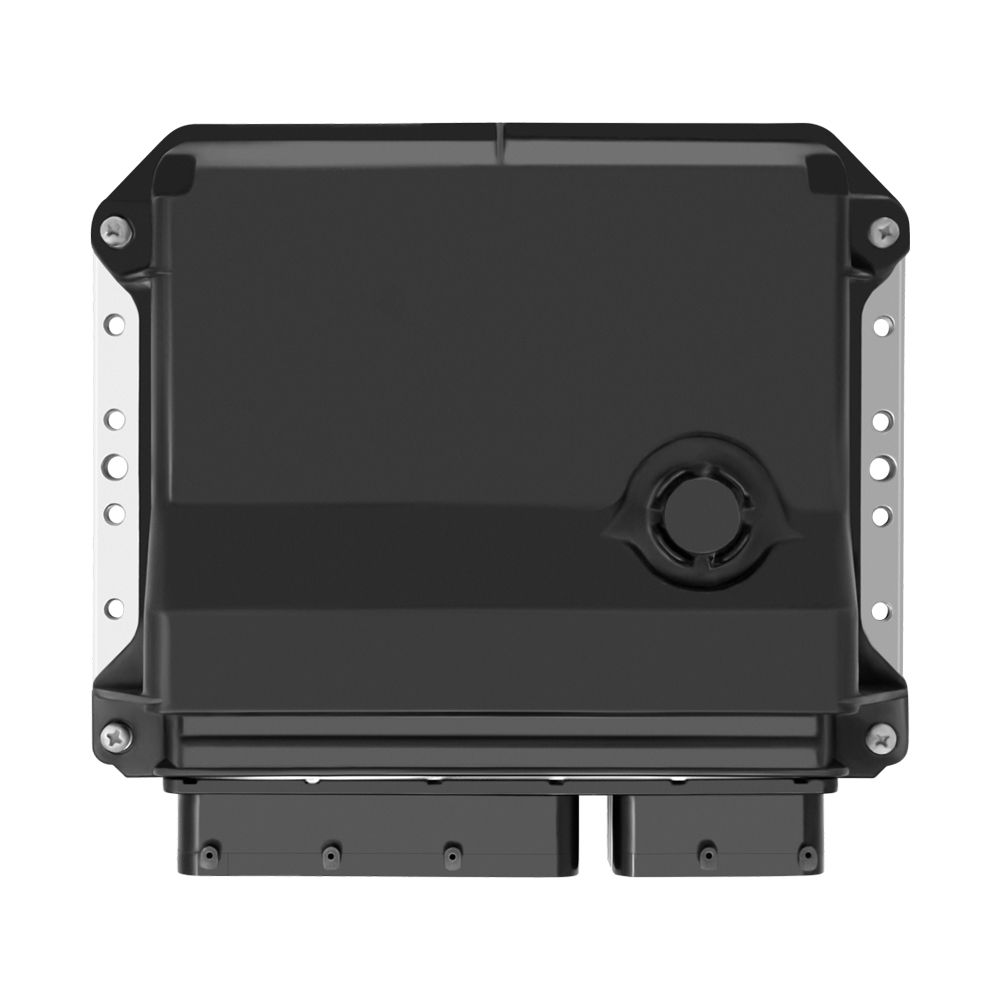
Flagship One stocks a refurbished, VIN-programmed PCM for the 2012 Toyota Avalon with a lifetime warranty, free shipping and no core charge. The full Toyota Avalon module lineup covers other engine configurations as well.
Understanding your 2012 Toyota Avalon’s engine control module helps you navigate diagnostic and replacement decisions confidently. Whether addressing a P0606 fault or complete communication failure, informed discussions with your technician lead to accurate repairs without unnecessary delays. Pre-programmed replacement options simplify the installation process while ensuring proper vehicle operation and emissions compliance. Address symptoms promptly to prevent secondary damage to connected systems.