
Last updated on August 25th, 2026 at 11:58 am
The engine control module in the 2014 Toyota Avalon 3.5L manages fuel injection, ignition timing, and transmission coordination. Internal processor faults or voltage spikes can disrupt these functions, leading to drivability issues, stored trouble codes, or a complete no-start condition.
If your 2014 Toyota Avalon 3.5L exhibits a no-start, sudden stalling, or a check engine light with an internal module code, the engine control module may be the cause. This guide explains what the module does, where it lives, and what the factory service procedure requires when it is replaced. You will learn the labor times published by the manufacturer, the steps needed to reach the module, and the programming requirement that follows installation. Understanding these details helps you plan the repair, whether you perform the work yourself or coordinate with a shop. The information here is drawn from factory service data for this specific model and engine.
The engine control module in the 2014 Toyota Avalon 3.5L acts as the central processor for the powertrain, continuously adjusting fuel delivery, spark advance, and shift points based on sensor inputs. When this module develops an internal fault, the engine may refuse to start, stall unexpectedly, or run poorly with reduced power. Heat cycles and voltage irregularities are common contributors to module degradation over time. Replacing the unit with a properly programmed alternative restores the factory calibration that matches your vehicle’s specific configuration. Choosing replacement engine computers for the Avalon that carry the correct software version avoids the need for additional dealer visits. The module also stores diagnostic information that can confirm whether the hardware itself has failed versus a wiring or sensor issue.
2014 Toyota Avalon 3.5L
OEM programmed ECM for your 2014 Toyota Avalon 3.5L — plug & play, no dealer visit.
Free shipping · Lifetime warranty
On the 2014 Toyota Avalon 3.5L the engine control module is mounted in the engine compartment and can be reached after disconnecting the negative battery cable. The factory procedure calls for removing the cool air intake duct seal, then taking out the battery to clear the workspace. Two electrical connectors plug into the module and must be detached before the unit can be unbolted. Published labor time for the removal and installation of the module itself is 0.7 hours, and a separate relearn procedure adds 0.5 hours. No torque values are specified in the available data. The same 0.7‑hour book time applies if the powertrain control module is serviced instead. Plan for the battery to be out of the vehicle during the swap, and be prepared to reinitialize any systems that lose memory when the cable is disconnected.
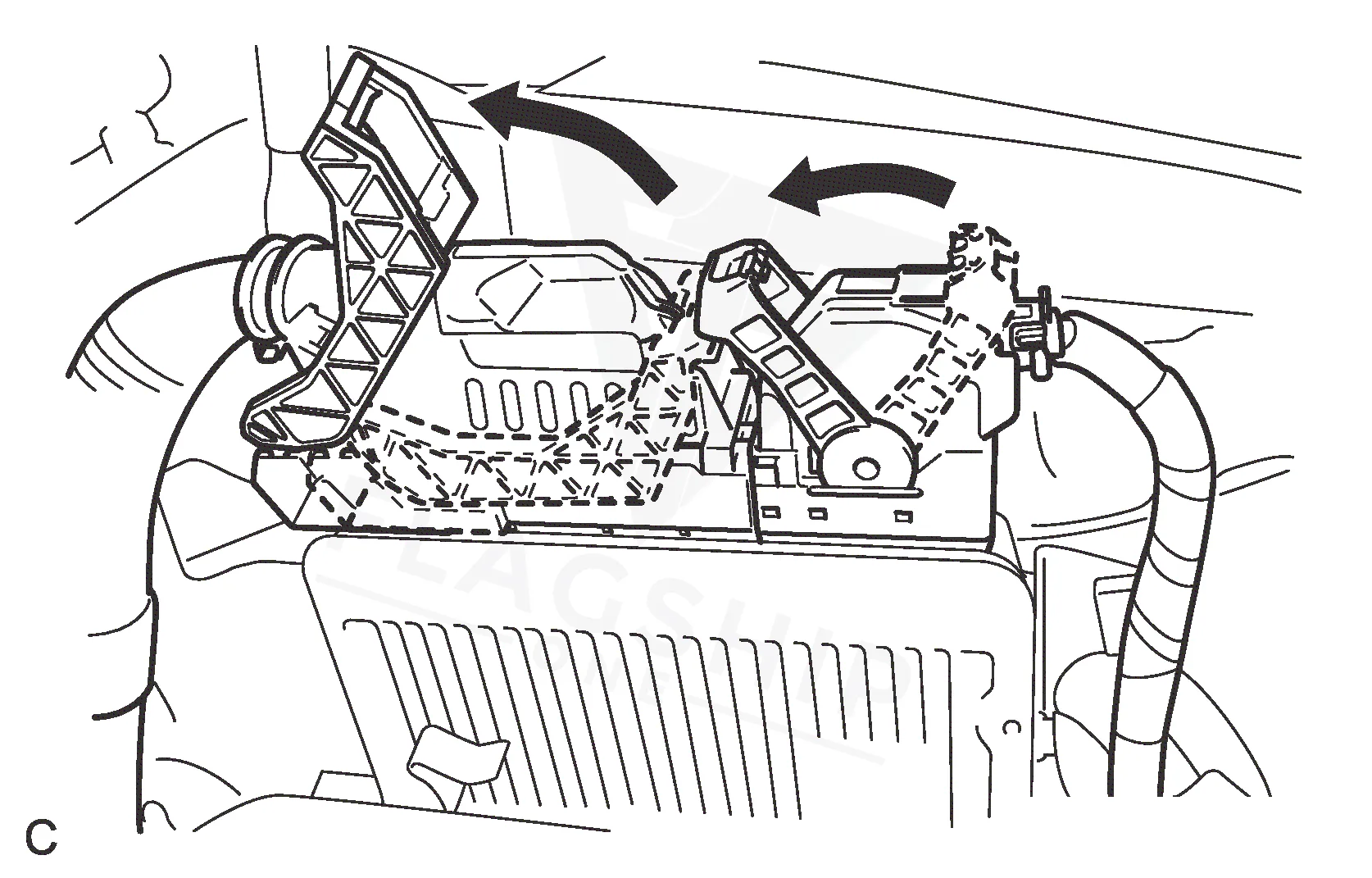
Work with the ignition off, and treat the module as static-sensitive: avoid touching the connector pins at any point.
| Operation | Configuration | Book Time |
|---|---|---|
| Powertrain Control Module R&R | All configurations | 0.7 hr |
| Engine Control Module Relearn | All configurations | 0.5 hr |
| Engine Control Module R&R | All configurations | 0.7 hr |
The factory service information directs technicians to perform VIN registration after installing a new engine control module so the vehicle recognizes the replacement hardware. Additionally, disconnecting the battery cable during the repair means several subsystems will require reinitialization once power is restored. Flagship One supplies a VIN-programmed replacement unit that already carries your vehicle’s identification, so the registration step is completed before the part ships. This eliminates the need for a dealer-level scan tool to finalize the installation and reduces the chance of post‑repair warning lights. The only remaining task after bolting in the module is to verify that all systems wake up normally once the battery is reconnected.
A failing engine control module in the 2014 Toyota Avalon 3.5L often produces a no‑start condition where the engine cranks but will not fire, or it may cause the engine to stall without warning while driving. Rough idle, hesitation on acceleration, and unexpected transmission shifts can also point to module trouble. The check engine light typically illuminates, and a scan tool may show communication errors with the module itself. One specific internal code, P0606 internal processor fault, indicates that the module’s self‑test has detected a microprocessor problem. Other symptoms include loss of communication with a diagnostic scanner, erratic fuel‑trim values, and the inability to complete readiness monitors for emissions testing.
The following table lists the module‑internal diagnostic trouble code documented for the 2014 Toyota Avalon 3.5L engine control module. This code is stored inside the module itself and points directly to an internal hardware or software fault rather than an external sensor or wiring issue. Use it to confirm whether the module requires replacement.
| Code | Meaning | Full Guide |
|---|---|---|
| P0606 | Module processor failure | Full P0606 guide → |
The published labor time for ECM removal and installation is 0.7 hours, with an additional 0.5 hours for the required relearn procedure.
Yes, the factory procedure mandates VIN registration when the engine control module is replaced so the vehicle recognizes the new hardware.
Code P0606 indicates an internal processor fault within the engine control module, suggesting the module itself has failed and likely needs replacement.
When the engine control module in your 2014 Toyota Avalon 3.5L fails, you can choose between a new dealer unit, a refurbished module, or a pre‑programmed replacement that arrives ready to install. Refurbished options often cost less than new and carry a warranty, while pre‑programmed units save the extra labor and scan‑tool time required for VIN registration. Weigh the total installed cost, including any programming fees, against the coverage each option provides.
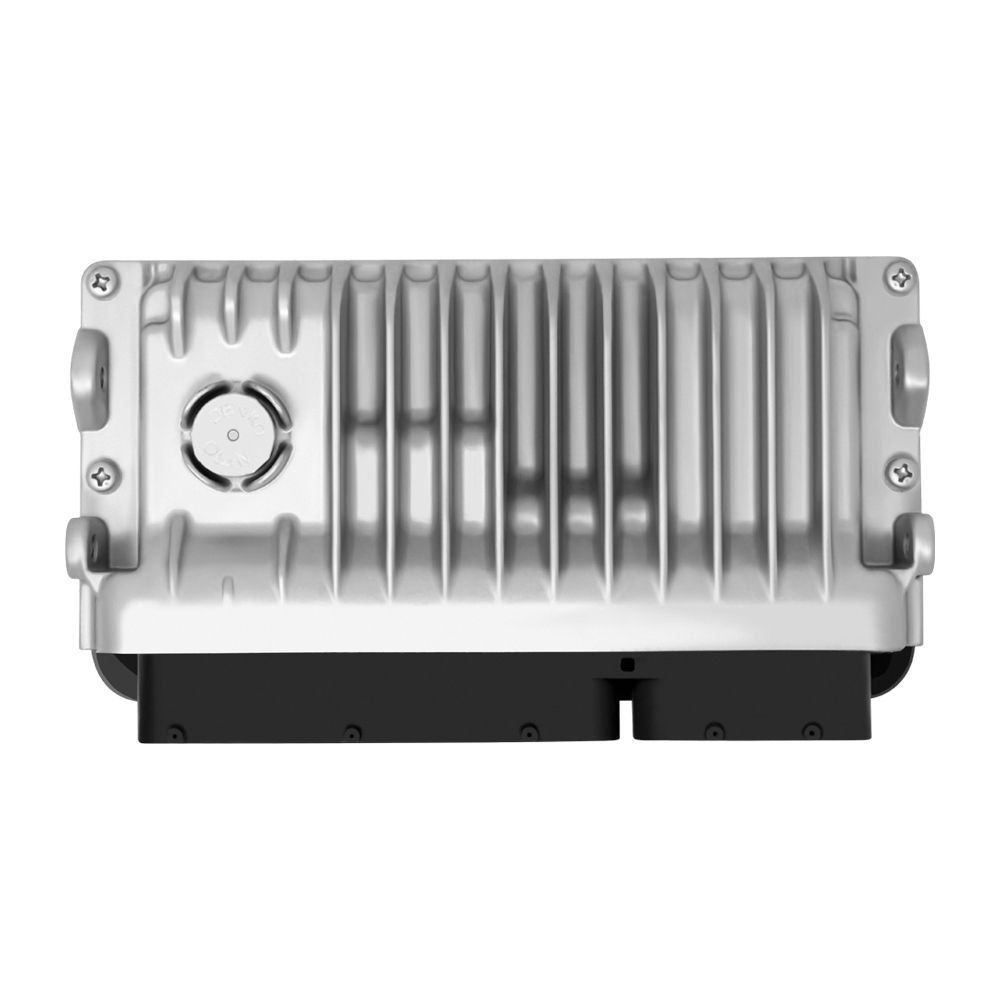
Flagship One stocks a refurbished, VIN-programmed PCM for the 2014 Toyota Avalon with a lifetime warranty, free shipping and no core charge. The full Toyota Avalon module lineup covers other engine configurations as well.
The 2014 Toyota Avalon 3.5L relies on a healthy engine control module for reliable starts and smooth operation. Knowing the access steps, labor times, and programming requirements lets you plan the repair with confidence. If you need a replacement that skips the dealer programming step, a VIN‑matched unit can simplify the job and get you back on the road sooner.