
Last updated on August 25th, 2026 at 11:59 am
The engine control module in your 2011 Toyota Venza manages fuel injection, ignition timing, and emissions control systems. Internal processor degradation from voltage fluctuations or thermal cycling may trigger malfunction indicators and drivability concerns that require accurate diagnosis and targeted repair.
When your 2011 Toyota Venza develops unexplained drivability issues, the engine control module often becomes the primary suspect. This onboard computer coordinates critical functions including fuel delivery, spark timing, and emission controls, making it essential for daily operation. You might notice intermittent stalling, difficulty starting, or complete failure to crank, which typically indicates internal processor degradation rather than mechanical failure. Understanding how this module functions within your specific vehicle helps you make informed decisions about diagnosis and repair. Professional technicians typically begin with scan tool verification before condemning the unit, as wiring or sensor issues may produce similar symptoms. This guide explains what the module controls, why it fails, and how replacement procedures work for your particular model. You will learn to recognize failure patterns, understand factory service requirements, and evaluate whether replacement suits your situation. With accurate information, you can discuss options confidently with your mechanic and avoid unnecessary repairs. The content focuses specifically on the 2.7L variant, addressing the unique calibration and programming needs that distinguish it from other engine options.
The engine control module in your 2011 Toyota Venza serves as the central processing unit for powertrain management and operational coordination. It continuously monitors inputs from throttle position sensors, oxygen sensors, and crankshaft position sensors to calculate optimal fuel injection timing and ignition advance for the 2.7L engine. This real-time processing ensures efficient combustion while maintaining emission standards and protecting internal engine components from premature damage or excessive wear. The module stores adaptive learning data that fine-tunes idle speed and transmission shift points based on your specific driving habits and regional environmental conditions. When operating correctly, you experience smooth acceleration, consistent fuel economy, and reliable cold starting across varied weather scenarios. However, the internal circuit boards contain sensitive microprocessors vulnerable to electrical system irregularities and environmental factors. Voltage spikes from improper jump-starting procedures or alternator failure may corrupt memory sectors or damage critical transistor arrays. Similarly, thermal stress from repeated engine compartment heat cycles can fracture solder connections over extended time periods. Moisture intrusion through damaged seals or connector corrosion represents another common failure mode affecting reliability. When these degradation issues occur, you may notice replacement engine computers for the Venza become necessary to restore factory calibration and drivability. The module also communicates continuously with the antilock brake system and body control modules through the controller area network, meaning faults here can affect seemingly unrelated vehicle functions. Understanding this central coordination role helps explain why failure symptoms range widely from subtle performance losses to complete operational failure.
2011 Toyota Venza
OEM programmed ECM for your 2011 Toyota Venza — plug & play, no dealer visit.
Free shipping · Lifetime warranty
Factory service manuals specify 1.2 hours for engine control module replacement on your 2.7L engine. This allocated time assumes standard hand tools and typical access conditions without additional corrosion or damage complications. The procedure involves disconnecting the negative battery cable, removing electrical connectors from the module, and unfastening mounting hardware to extract the unit. Technicians must handle the module carefully to prevent static discharge damage to internal circuits. Upon installation, the new unit requires secure mounting and proper connector seating to ensure waterproof seals function correctly. The 0.5 hour relearn procedure follows physical installation, allowing the module to synchronize with existing engine components and clear adaptive memory. Some shops may combine these operations while others sequence them separately depending on equipment availability. You should expect total labor charges reflecting these individual time allocations rather than arbitrary flat rates. DIY enthusiasts might complete the physical swap within the stated time, though professional diagnostic equipment remains necessary for the relearn process. Proper installation ensures communication integrity with the vehicle network and prevents intermittent connection issues that could mimic module failure.
| Operation | Configuration | Book Time |
|---|---|---|
| Powertrain Control Module R&R | 2.7L | 1.2 hr |
| Powertrain Control Module R&R | 3.5L | 0.5 hr |
| Engine Control Module Relearn | All configurations | 0.5 hr |
| Engine Control Module R&R | 2.7L | 1.2 hr |
| Engine Control Module R&R | 3.5L | 0.5 hr |
After installing a new module, Toyota requires a 0.5 hour relearn procedure to establish communication between the engine control module and your vehicle’s existing components. This process clears residual adaptive memory and synchronizes the idle control systems with the 2.7L engine’s current mechanical condition. Factory scan tools execute this calibration through standardized diagnostic connectors located under the dashboard. However, obtaining a VIN-programmed replacement unit eliminates the need for this additional service step entirely. When you receive a module pre-configured with your specific vehicle identification number, the unit arrives ready for immediate installation without dealership programming fees. The onboard software already matches your exact engine calibration and emission specifications, allowing your technician to complete the physical swap and verify operation immediately. This preparation saves the 0.5 hours typically reserved for initialization procedures and reduces total shop time significantly. You avoid potential complications from incomplete relearn sequences or incorrect calibration downloads. Your vehicle returns to normal operation faster while maintaining factory warranty compliance and emission certification standards required for your 2011 Toyota Venza.
Engine control module failure in your 2011 Toyota Venza typically manifests through distinct drivability patterns that worsen progressively. You may experience intermittent stalling at traffic lights or during deceleration, often without warning lights initially. Hard starting conditions, particularly during hot weather or after extended parking periods, suggest internal processor degradation affecting fuel injection timing. Some owners report sudden no-start conditions where the starter cranks normally but the engine fails to fire, indicating complete loss of injector pulse or ignition signal. Scan tool communication failures also occur when the module cannot establish diagnostic links, preventing code retrieval entirely. Transmission shifting irregularities may accompany engine issues since the module controls shift solenoids and torque converter lockup strategies. The specific internal processor fault P0606 appears when the module detects computational errors or memory corruption within its central processing architecture. This code indicates the module has recognized its own operational failure rather than external sensor issues. You might also notice erratic idle speeds, sudden fuel economy decreases, or emission test failures despite catalytic converter integrity. Intermittent check engine lights that illuminate and extinguish without pattern often precede permanent failure. These symptoms typically worsen with temperature extremes or humidity changes as thermal expansion affects circuit board connections. Professional diagnosis distinguishes module failure from wiring harness issues, which produce similar symptoms but require different repair strategies.
The following diagnostic trouble code indicates internal processor malfunction within the engine control module of your 2011 Toyota Venza. This specific fault requires comprehensive module evaluation rather than external sensor or circuit repair, distinguishing it from powertrain codes related to mechanical systems or emission components.
| Code | Meaning | Full Guide |
|---|---|---|
| P0606 | Module processor failure | Full P0606 guide → |
Diagnostic confirmation typically requires professional scan tools to verify internal faults like P0606. If your vehicle experiences intermittent stalling, no-start conditions, or failed communication with diagnostic equipment while wiring tests normal, module replacement may resolve the issue.
The physical replacement requires 1.2 hours according to factory standards and involves basic hand tools. However, the 0.5 hour relearn procedure requires specialized diagnostic equipment that most DIY mechanics do not own, making professional assistance advisable for complete repair.
Early module degradation may cause operational faults before diagnostic codes set. Internal processor errors can interrupt fuel injection or ignition timing temporarily, causing stalls that resolve before the malfunction indicator illuminates, making intermittent symptoms particularly challenging to diagnose.
Salvage units typically require extensive reprogramming to match your VIN and emission specifications. Without proper calibration, used modules may trigger security immobilizers or fail to communicate with your vehicle’s network, often resulting in additional labor costs that exceed replacement value.
This specific code indicates internal processor malfunction rather than external circuit issues. Voltage fluctuations, thermal stress, or manufacturing defects may corrupt the module’s computational ability, requiring replacement to restore proper engine management and diagnostic communication.
When facing engine control module failure, you must evaluate whether repair or replacement serves your 2011 Toyota Venza best. While some shops attempt circuit board repair, replacement with properly programmed units often provides more reliable long-term operation. Consider the total cost including labor times of 1.2 hours for replacement plus programming requirements when budgeting for this repair.
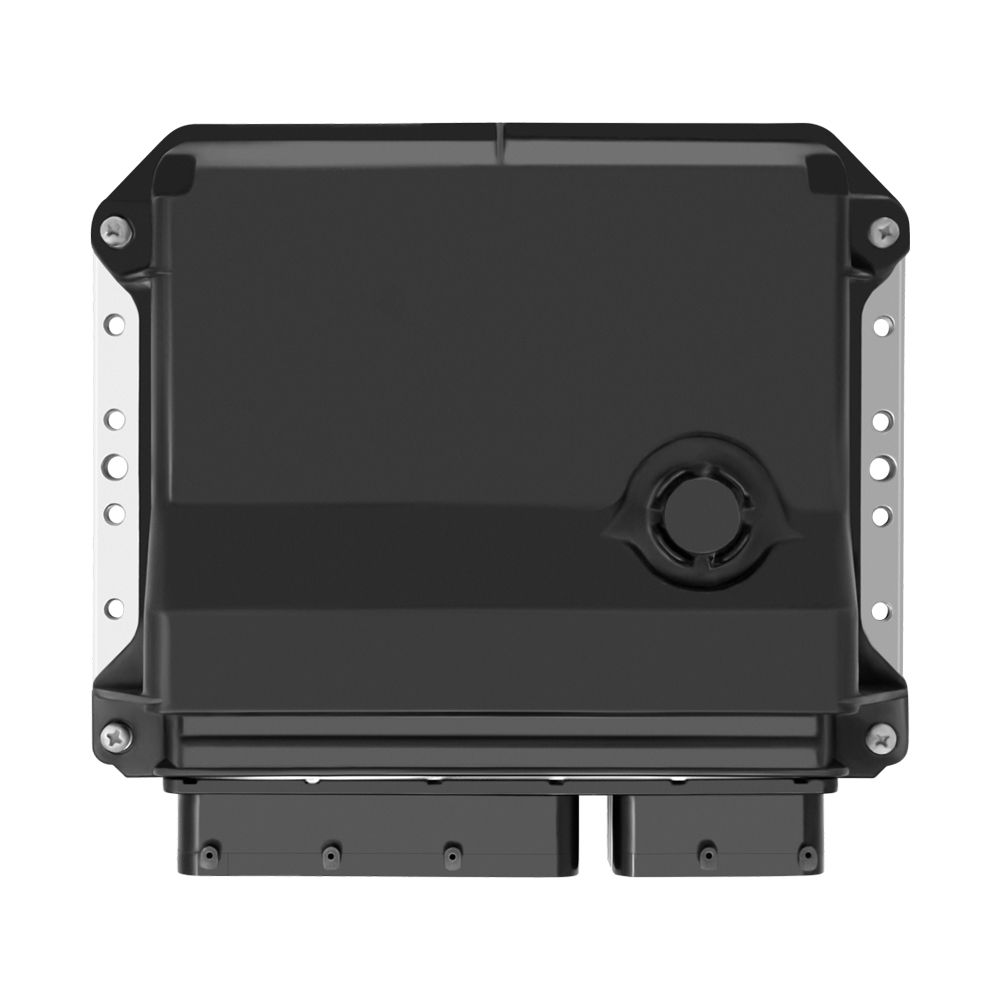
Flagship One stocks a refurbished, VIN-programmed PCM for the 2011 Toyota Venza with a lifetime warranty, free shipping and no core charge. The full Toyota Venza module lineup covers other engine configurations as well.
Understanding your 2011 Toyota Venza engine control module helps you address drivability concerns efficiently and economically. With proper diagnosis recognizing symptoms like intermittent stalling or the specific internal fault code P0606, you can restore reliable performance through appropriate replacement procedures. Consult qualified technicians familiar with Toyota calibration requirements to ensure your vehicle returns to optimal operation quickly and maintains emission compliance.