
Last updated on August 25th, 2026 at 12:00 pm
The engine control module in your 2010 Toyota Venza governs fuel injection, ignition timing, and emissions systems. Failures typically stem from voltage spikes, internal solder fractures, or moisture intrusion through compromised seals, resulting in erratic performance or complete powertrain shutdown when the processor can no longer execute calibration protocols.
When your 2010 Toyota Venza develops intermittent stalling or communication failures with diagnostic equipment, the engine control module often requires thorough evaluation before replacing other components. This onboard computer coordinates ignition timing, fuel delivery, and emission controls while continuously monitoring sensor inputs across the powertrain to optimize performance and efficiency. Understanding how this component functions and what replacement entails helps you discuss repair options knowledgeably with your technician and avoid unnecessary delays in the service process. You will learn the specific labor times allocated for the 2.7L engine, why reprogramming matters for this particular model year, and how to recognize failure symptoms that point toward module replacement rather than peripheral sensor issues. The information focuses on practical steps that keep your vehicle reliable without speculative repairs or unnecessary component replacement.
The engine control module in your 2010 Toyota Venza serves as the central processor for the 2.7L powertrain, interpreting data from oxygen sensors, throttle position indicators, and crankshaft monitors to maintain optimal air-fuel ratios throughout varying driving conditions. It continuously adjusts ignition advance in real time and commands the automatic transmission shift patterns based on load calculations and driver input signals received from the accelerator pedal. When this unit fails, you may experience hard starting, erratic idle, or complete refusal to start because the processor cannot execute the calibration protocols stored in its internal memory banks. Selecting modules for the 2010 Toyota Venza ensures the hardware matches the specific fuel and timing maps designed for the 2.7L configuration. Proper function depends on intact internal circuitry that withstands engine-bay temperatures and electrical noise from the charging system, making module integrity essential for both daily performance and long-term emission compliance under diverse operating conditions.
2010 Toyota Venza
OEM programmed ECM for your 2010 Toyota Venza — plug & play, no dealer visit.
Free shipping · Lifetime warranty
Replacement of the engine control module on your 2010 Toyota Venza with the 2.7L engine typically requires 1.2 hours of labor time according to standard service guides. This allotment covers the removal and reinstallation of the unit itself, including the careful disconnection of multi-pin electrical connectors and any mounting hardware transfer between the old and new component. After physical installation, the procedure requires an additional 0.5 hours allocated specifically for the Engine Control Module Relearn process. These time allowances reflect the work needed to gain proper access, secure the module within its mounting location, verify connector seating, and complete the initialization sequence. The relearn procedure allows the powertrain processor to synchronize with the throttle body and establish baseline idle parameters for smooth operation.
| Operation | Configuration | Book Time |
|---|---|---|
| Powertrain Control Module R&R | 2.7L | 1.2 hr |
| Powertrain Control Module R&R | 3.5L | 0.5 hr |
| Engine Control Module Relearn | All configurations | 0.5 hr |
| Engine Control Module R&R | 2.7L | 1.2 hr |
| Engine Control Module R&R | 3.5L | 0.5 hr |
Factory procedures for the 2010 Toyota Venza require Techstream ECU flash reprogramming after installing a new module, followed by the relearn process to synchronize the throttle body and powertrain sensors with the updated processor. When you receive a VIN-programmed replacement unit from Flagship One, the flash programming and calibration data specific to your vehicle identification number have already been loaded onto the hardware. This preparation eliminates the need for your technician to perform the Techstream flash procedure or input calibration settings manually at the shop. You still need to complete the 0.5 hour relearn process to allow the module to adapt to your specific engine and transmission characteristics for optimal shift quality and idle stability.
Failure of the engine control module in your 2010 Toyota Venza often manifests as intermittent stalling during deceleration or complete failure to start when the internal processor loses communication with the ignition system and fuel injectors. You may notice the transmission shifts harshly or enters limp mode because the module cannot calculate proper line pressure for the automatic gearbox. Diagnostic scanners may fail to establish communication with the powertrain controller, or you might encounter internal processor fault indicators that point directly to computer hardware rather than peripheral sensors. Rough idle, unexplained misfires, and fluctuating fuel economy often accompany these issues as the module struggles to maintain accurate fuel injection timing and spark advance across varying engine loads.
The following internal diagnostic trouble codes indicate processor or memory integrity issues within the engine control module of your 2010 Toyota Venza. These codes differ from sensor-related faults and typically suggest hardware failure requiring module replacement rather than simple circuit repair or peripheral component substitution.
| Code | Meaning | Full Guide |
|---|---|---|
| P0606 | Module processor failure | Full P0606 guide → |
Toyota issued service bulletin T-SB-0064-10 covering applicable models from January 2011 regarding Techstream ECU flash reprogramming procedures. This bulletin outlines the specific steps required to update or initialize engine control modules using the factory scan tool and proper calibration files for the 2.7L powertrain. The document applies to your 2010 Toyota Venza and provides technicians with the protocol for ensuring successful communication between the diagnostic equipment and the powertrain processor during flash events. Following this procedure ensures the module accepts the new programming and functions correctly within the vehicle’s networked systems.
| Bulletin | Subject | What It Addresses |
|---|---|---|
| T-SB-0064-10 | 01-11 Applicable Toyota Models: Techstream ECU Flash Reprogramming Procedure | — |
The factory procedure requires Techstream flash reprogramming for new modules. However, if you install a unit that arrives pre-programmed with your specific VIN, your technician may only need to perform the relearn procedure.
Labor guides allocate 1.2 hours for the removal and installation process on the 2.7L engine. An additional 0.5 hours applies for the module relearn procedure.
Code P0606 typically indicates an internal processor fault within the engine control module. This fault often requires replacement of the unit rather than repair of wiring or sensors.
You may choose between attempting repairs to your existing module or installing a replacement unit that has been programmed to your vehicle specifications. Consider the labor costs of diagnostic time and potential repeat visits against the reliability of a unit that already contains the correct calibration for your 2010 Toyota Venza. Either approach requires the relearn procedure to complete the installation properly.
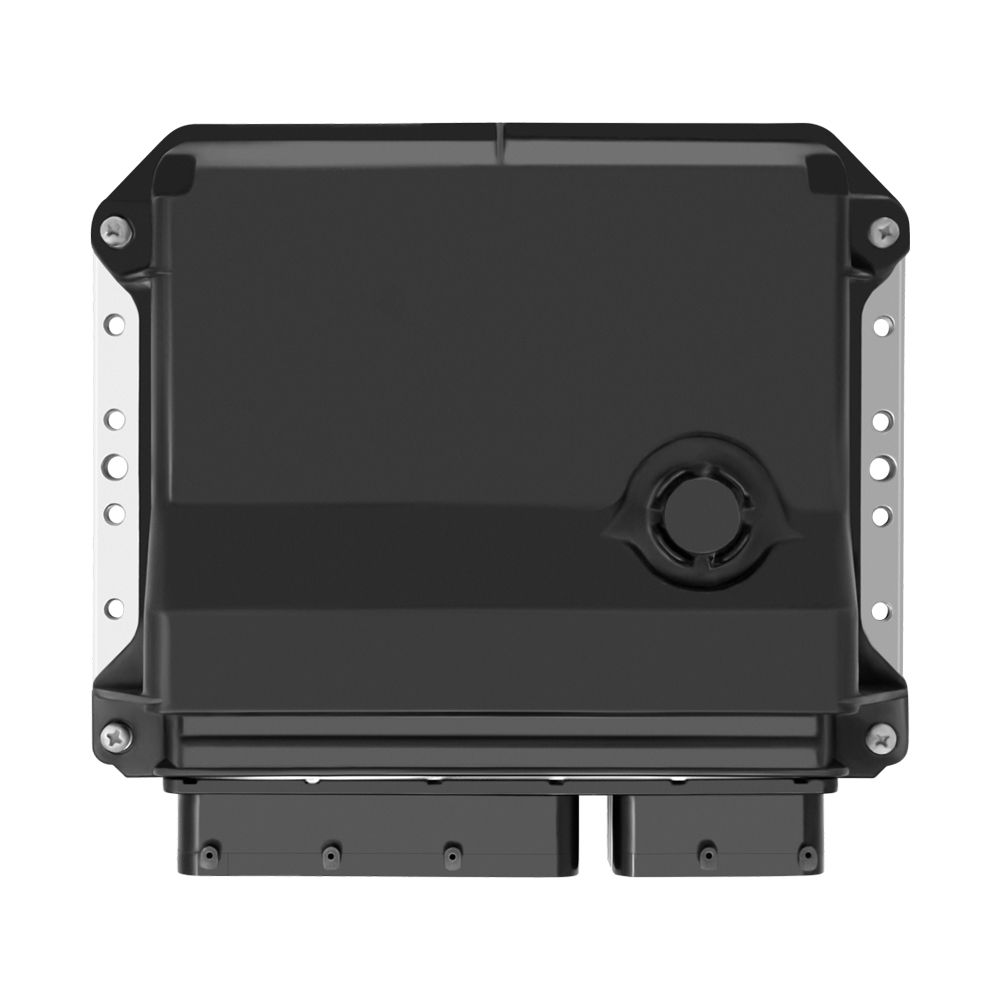
Flagship One stocks a refurbished, VIN-programmed PCM for the 2010 Toyota Venza with a lifetime warranty, free shipping and no core charge. The full Toyota Venza module lineup covers other engine configurations as well.
Understanding the function and replacement requirements of the engine control module helps you maintain your 2010 Toyota Venza with confidence. With proper installation and the necessary relearn procedures completed according to factory guidelines, your vehicle should return to reliable operation and proper emission control. Consult with your technician about the most efficient path forward for your specific repair needs and timeline.