
Last updated on August 25th, 2026 at 12:00 pm
The engine control module (ECM) in your 2010 Toyota Tacoma X-Runner manages fuel delivery, ignition timing, and transmission behavior. When it fails, you may experience erratic shifting, stalling, or a complete no-start condition.
If your 2010 Toyota Tacoma X-Runner has developed rough shifting, stalling, or a stubborn no-start condition, the engine control module (ECM) may be the culprit. This small but critical computer manages everything from fuel injection to transmission behavior, ensuring smooth operation under all driving conditions. When it begins to fail, symptoms can range from subtle drivability issues to complete engine shutdown. Understanding the role of the ECM, where it’s located, and what replacement involves can help you make informed decisions about repairs. Whether you’re dealing with a sudden breakdown or intermittent performance problems, knowing the basics of ECM function and service procedures will prepare you for discussions with your mechanic or decisions about replacement options.
In your 2010 Toyota Tacoma X-Runner, the engine control module (ECM) acts as the brain of the powertrain, continuously monitoring sensors and adjusting engine parameters for optimal performance. It controls fuel injection timing, ignition spark, and even transmission shift points to ensure smooth acceleration and fuel efficiency. The ECM also plays a key role in emissions control, adjusting air-fuel ratios to meet environmental standards. When this module malfunctions, you may notice symptoms like rough idle, poor throttle response, or erratic shifting—especially in models equipped with the 4.0L V6. Toyota’s replacement engine computers for the Tacoma are designed to restore factory-level performance, but proper installation and programming are essential. Without a functioning ECM, your vehicle may fail to start or run poorly, making it one of the most critical components in your Tacoma’s drivetrain.
2010 Toyota Tacoma X-Runner: When Your
OEM programmed replacements — plug & play, no dealer visit.
Find yours by year, make & model →
Free shipping · Lifetime warranty
The engine control module in your 2010 Toyota Tacoma X-Runner is typically located in the engine bay, mounted near the firewall or on the passenger side inner fender. Accessing it requires removing a protective cover or air intake components, though the exact steps may vary slightly depending on your vehicle’s configuration. Replacing the ECM involves disconnecting the battery, unplugging the wiring harness, and removing the mounting bolts. Labor time for removal and reinstallation (R&R) is usually around 0.5 hours for the ECM or 0.7 hours for the powertrain control module (PCM), according to factory estimates. After installation, the module must be properly secured to prevent vibration or moisture damage, which can lead to premature failure. Always ensure connectors are clean and fully seated to avoid communication errors with other vehicle systems.
| Operation | Configuration | Book Time |
|---|---|---|
| Engine Control Module Relearn | All configurations | 0.5 hr |
| Engine Control Module R&R | All configurations | 0.5 hr |
| Engine Control Module Reset | All configurations | 0.3 hr |
| Powertrain Control Module R&R | All configurations | 0.7 hr |
| Powertrain Control Module Relearn | All configurations | 0.5 hr |
After replacing the engine control module in your 2010 Toyota Tacoma X-Runner, a relearn or reset procedure is typically required to synchronize the new unit with your vehicle’s systems. This process may involve using a scan tool to perform an ECM reset, which takes about 0.3 hours, or a full relearn procedure lasting 0.5 hours. The factory procedure ensures the module adapts to your specific engine and transmission, preventing issues like rough shifting or poor fuel economy. However, a VIN-programmed replacement unit from Flagship One arrives pre-configured for your Tacoma, eliminating the need for these additional steps. This saves time and reduces the risk of programming errors, allowing your mechanic to complete the job efficiently. Always confirm that the replacement module matches your vehicle’s original calibration to avoid compatibility issues.
A failing engine control module in your 2010 Toyota Tacoma X-Runner may produce a range of symptoms, some subtle and others more severe. Common signs include rough idle, hesitation during acceleration, or a noticeable drop in fuel efficiency. You might also experience transmission shifting problems, such as delayed or harsh gear changes, particularly in models with the 4.0L V6 engine. In some cases, the vehicle may stall unexpectedly or fail to start altogether, often accompanied by a check engine light. Diagnostic trouble codes related to the ECM, such as internal control module memory checksum error, may appear during a scan tool inspection. These codes indicate the module is unable to maintain proper communication with other systems, leading to performance issues. If you notice any of these symptoms, it’s important to address them promptly to avoid further drivability problems or potential damage to other components.
Toyota has issued several service bulletins addressing engine control module calibration updates for the 2010 Tacoma. Bulletin #T-TCI-3343 and its U.S. counterpart, #T-SB-0393-09 Rev1, focus on enhancing shifting performance and smoothness through ECM reprogramming. These updates are designed to improve transmission behavior, particularly in models experiencing rough or delayed gear changes. Additionally, bulletin #T-SB-0064-10 outlines the Techstream ECU flash reprogramming procedure for applicable Toyota models, including the 2010 Tacoma. If your vehicle is exhibiting shifting issues, checking for these updates may resolve the problem without requiring a full module replacement.
| Bulletin | Subject | What It Addresses |
|---|---|---|
| T-TCI-3343 | ’10 Tacoma: ECM Calibration: Enhancement to Shifting Performance and Smoothness (Canada) | — |
| T-SB-0393-09 Rev1 | T-SB-0393-09 Rev1: ’10 Tacoma: ECM Calibration: Enhancement to Shifting Performance & Smoothnes | — |
| T-SB-0064-10 | 01-11 Applicable Toyota Models: Techstream ECU Flash Reprogramming Procedure | — |
Hesitation during acceleration in your Tacoma may stem from a failing ECM, which controls fuel delivery and ignition timing. If the module isn’t processing sensor data correctly, it can cause delayed throttle response or misfires. A diagnostic scan can help determine if the ECM is the root cause or if another issue, like a faulty sensor, is to blame.
Common signs of a failing ECM include rough idle, stalling, poor fuel economy, or transmission shifting problems. If your vehicle displays these symptoms along with a check engine light, a scan tool can retrieve trouble codes that may indicate ECM failure. However, other issues like faulty sensors or wiring problems can produce similar symptoms, so proper diagnosis is essential.
An ECM reset clears stored data and restores default settings, typically taking about 0.3 hours. A relearn procedure, which may take 0.5 hours, involves the module adapting to your vehicle’s specific sensors and driving conditions. Both are often required after module replacement to ensure proper operation, but a VIN-programmed replacement unit may eliminate the need for these steps.
Yes, a failing ECM can prevent your Tacoma from starting by disrupting communication with the fuel pump, ignition system, or starter. If the module isn’t sending the correct signals, the engine may crank but not start, or it may not crank at all. A scan tool can help diagnose whether the ECM is the issue or if another component, like the starter or fuel pump, is at fault.
Toyota has issued service bulletins addressing ECM calibration updates for the 2010 Tacoma, particularly to improve shifting performance. Bulletins #T-TCI-3343 and #T-SB-0393-09 Rev1 focus on reprogramming the ECM to enhance transmission smoothness. If your vehicle is experiencing shifting issues, checking for these updates may resolve the problem without requiring a full module replacement.
If your 2010 Toyota Tacoma X-Runner is experiencing ECM-related issues, you have options for repair or replacement. While a dealership may recommend a new module, a refurbished or remanufactured unit can provide the same level of performance at a lower cost. Flagship One offers VIN-programmed replacement modules designed to plug in and play, eliminating the need for additional programming steps. Whether you choose to repair your existing ECM or opt for a replacement, addressing the issue promptly can restore your Tacoma’s drivability and prevent further complications.
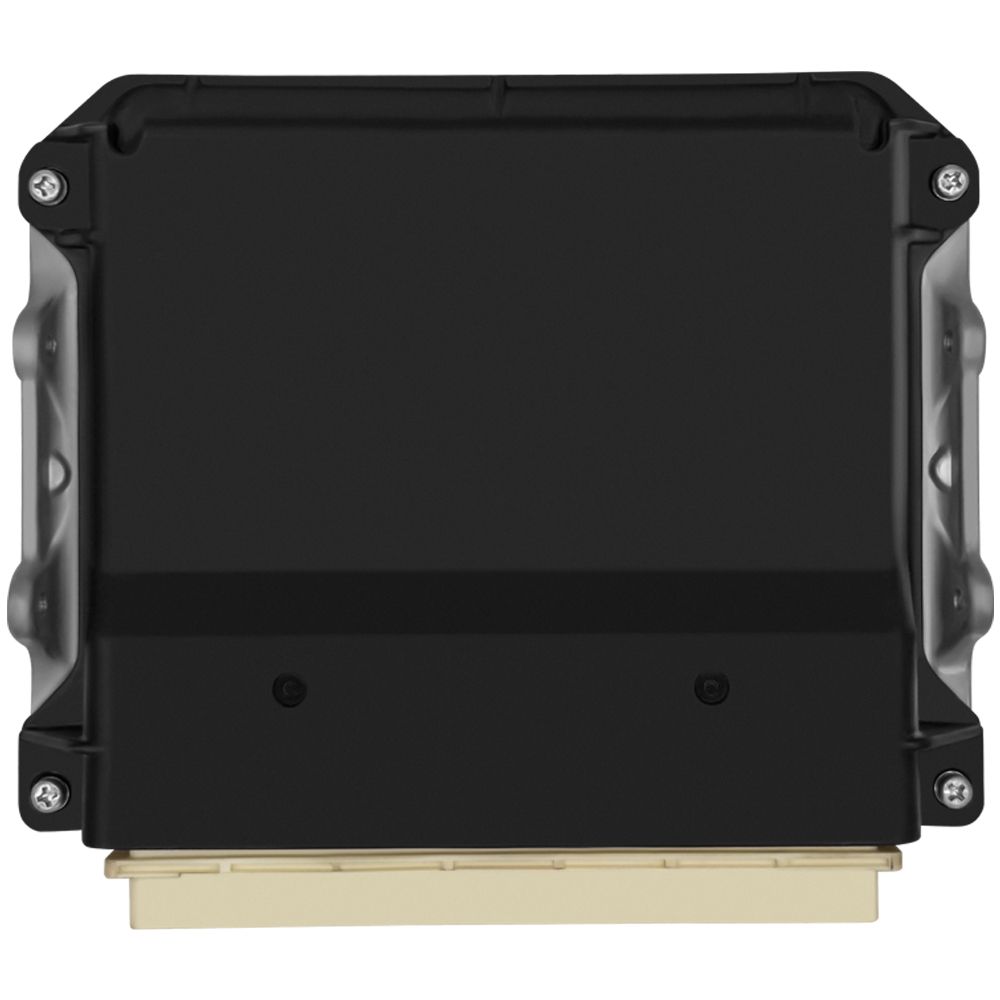
Flagship One stocks a refurbished, VIN-programmed PCM for the 2010 Toyota Tacoma X-Runner with a lifetime warranty, free shipping and no core charge. The full Toyota Tacoma X-Runner module lineup covers other engine configurations as well.
The engine control module in your 2010 Toyota Tacoma X-Runner plays a critical role in ensuring smooth operation, from fuel delivery to transmission behavior. If you’re experiencing symptoms like rough shifting, stalling, or a no-start condition, the ECM may be the culprit. Understanding the replacement process, labor times, and programming requirements can help you make informed decisions about repairs. Whether you opt for a dealership visit or a VIN-programmed replacement unit, addressing ECM issues promptly will keep your Tacoma running reliably for miles to come.