
Last updated on August 25th, 2026 at 12:02 pm
The engine computer manages ignition timing and fuel delivery for your 2007 Toyota Highlander. Internal processor faults may trigger warning lights or prevent the engine from starting. This component regulates overall system performance. Understanding these signals helps diagnose whether the unit requires replacement or reprogramming.
When your 2007 Toyota Highlander exhibits erratic running conditions or refuses to start, the engine control module often becomes a primary suspect. This guide explains the role of the powertrain control module within your specific vehicle architecture and outlines the standard service procedures. You will learn about documented trouble codes associated with internal processor failures and review factory technical service bulletins regarding software updates. Understanding the difference between a hardware failure and a software calibration issue helps you make informed repair decisions. We cover the expected labor times for removal and installation alongside the necessary programming steps. This information prepares you for discussions with your service provider regarding the scope of work required to restore reliable operation.
The powertrain control module serves as the central brain for managing engine performance and transmission shifting in your 2007 Toyota Highlander. It processes data from various sensors to adjust fuel mixture and ignition timing continuously. If this unit suffers internal damage, you may experience drivability issues that mimic sensor failures. Mechanics often recommend verifying power and ground connections before condemning the hardware. When hardware failure is confirmed, you might need to source replacement engine computers for the Highlander to restore full functionality. These units require precise calibration to match your vehicle identification number. Proper function ensures emissions compliance and optimal fuel economy during daily driving. Ignoring signs of computer failure can lead to additional stress on connected components within the engine bay.
2007 Toyota Highlander
OEM programmed ECM for your 2007 Toyota Highlander — plug & play, no dealer visit.
Free shipping · Lifetime warranty
Service documentation lists the removal and installation time for the powertrain control module on the 3.3L engine at 0.4 hours. This book time covers the physical swap of the unit. Technicians also allocate 0.5 hours for the engine control module relearn procedure following installation. The same labor allowance applies to the powertrain control module relearn process. These figures represent standard industry estimates for completing the mechanical and electronic service tasks. Your shop may adjust these times based on actual conditions found during the repair. Proper torque specifications and connector seating are critical during the physical installation phase. Ensuring the hardware is secured correctly prevents vibration damage over time. Completing these tasks requires specialized knowledge of vehicle electronics and safety protocols. Technicians must verify all connections before finalizing the service appointment. This diligence ensures the new component functions as intended within the system.
| Operation | Configuration | Book Time |
|---|---|---|
| Engine Control Module Relearn | All configurations | 0.5 hr |
| Engine Control Module R&R | All configurations | 0.4 hr |
| Powertrain Control Module R&R | 3.3L | 0.4 hr |
| Powertrain Control Module R&R | 2.4L | 0.4 hr |
| Powertrain Control Module Relearn | All configurations | 0.5 hr |
Factory service information indicates that Techstream ECU flash reprogramming procedures apply to applicable Toyota models from this era. Technicians typically use specialized diagnostic tools to configure the new hardware after installation. However, purchasing a VIN-programmed replacement unit eliminates the need for these flashing steps. Flagship One supplies modules that arrive ready for installation without requiring further software calibration. This approach reduces the time your 2007 Toyota Highlander spends in the service bay. You avoid potential complications associated with manual programming sequences. The unit is configured to communicate with your existing immobilizer system immediately. This ensures a smoother transition during the repair process.
Drivers may notice sudden stalling or a no-start condition when the engine computer malfunctions. Misfire codes often appear alongside communication errors between the scan tool and the module. Shifting issues can occur if the transmission data becomes corrupted within the processor. Internal fault codes such as processor performance monitoring fault suggest hardware integrity problems within the control unit. You might also observe the check engine light illuminating without other obvious causes. Electrical gremlins often accompany these failures due to voltage irregularities. Addressing these symptoms promptly prevents further strain on the ignition system. Reliable operation depends on the computer maintaining consistent signal processing capabilities.
The following diagnostic trouble codes relate specifically to internal processor failures within the engine control module. These entries indicate hardware faults rather than external sensor issues. Technicians use these identifiers to confirm the need for unit replacement.
| Code | Meaning | Full Guide |
|---|---|---|
| P0606 | Module processor failure | Full P0606 guide → |
| P0607 | Module performance fault | Full P0607 guide → |
Factory records include bulletin T-TCI-2758 covering Techstream ECU flash reprogramming procedures for Canada. Another document, T-SB-0064-10, addresses similar flash reprogramming procedures for applicable models between 2001 and 2011. These notices guide technicians through software update protocols using diagnostic equipment. They ensure the engine computer operates with the latest calibration data available. Your service provider should reference these documents when performing software-related maintenance. Adhering to these procedures helps maintain compliance with manufacturer specifications.
| Bulletin | Subject | What It Addresses |
|---|---|---|
| T-TCI-2758 | ’01-’08 All Applicable Toyota Models: Techstream ECU Flash Reprogramming Procedure (Canada) | — |
| T-SB-0064-10 | 01-11 Applicable Toyota Models: Techstream ECU Flash Reprogramming Procedure | — |
Some internal faults allow for component-level repair by specialized shops. However, severe processor damage typically requires a full unit swap for reliability.
Factory procedures often mandate flash reprogramming when installing a replacement unit. Pre-programmed options bypass this requirement to simplify the installation process.
Book guides list removal and installation at 0.4 hours for the 3.3L engine. Relearn procedures add approximately 0.5 hours to the total service time.
You face a choice between repairing your existing hardware or installing a refurbished replacement. Refurbished units often provide a more reliable long-term solution for internal processor failures. This path avoids the uncertainty of troubleshooting individual components within the old case. Your 2007 Toyota Highlander deserves a stable control system for safe operation.
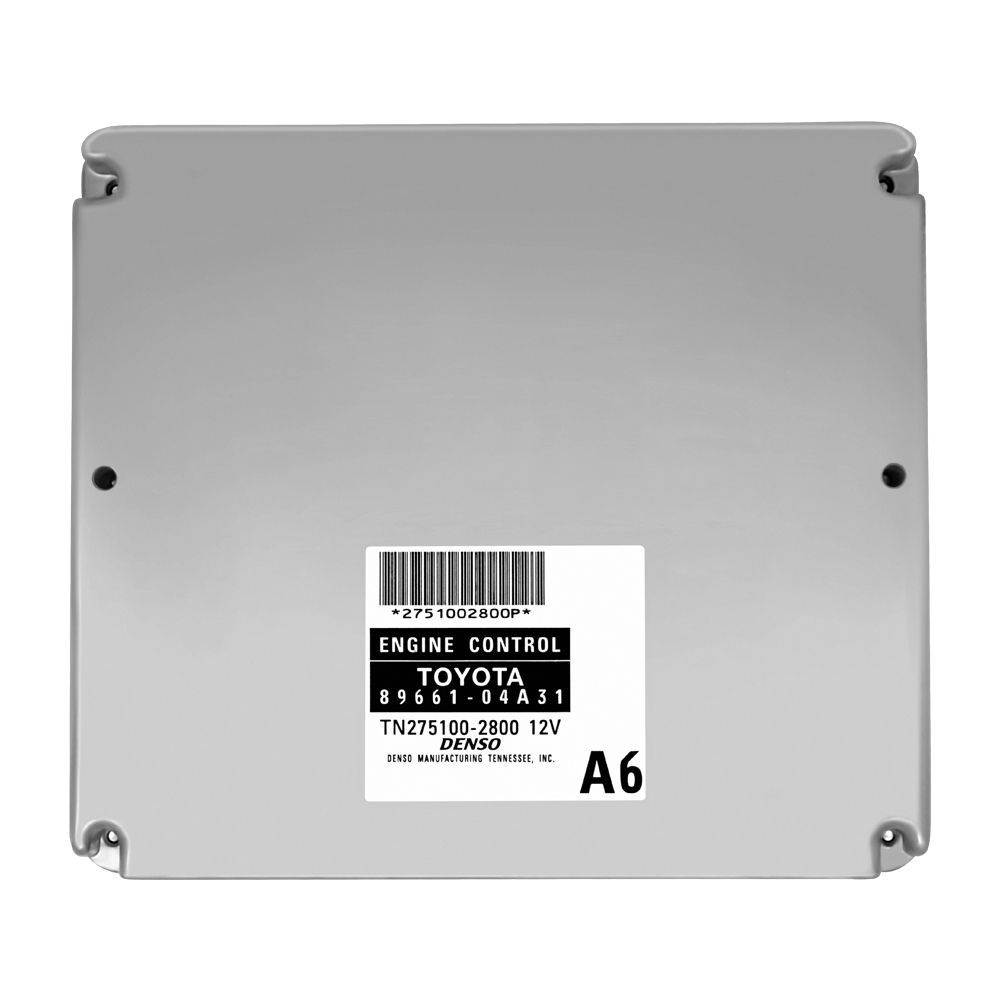
Flagship One stocks a refurbished, VIN-programmed PCM for the 2007 Toyota Highlander with a lifetime warranty, free shipping and no core charge. The full Toyota Highlander module lineup covers other engine configurations as well.
Restoring power to your 2007 Toyota Highlander begins with accurate diagnosis of the engine control module. Understanding the labor times and programming requirements helps you plan the repair effectively. Consider all options before committing to a specific service path. Reliable transportation depends on a fully functional computer system within your vehicle.