
Last updated on August 25th, 2026 at 12:02 pm
The engine computer on your 2006 Toyota Tacoma manages fuel injection, ignition timing, and emissions controls. Internal memory faults, voltage spikes, or connector corrosion may corrupt its programming, leading to drivability issues, erratic idling, or a complete failure to start.
When your 2006 Toyota Tacoma develops intermittent stalling or refuses to start, the engine computer often sits at the center of the diagnosis. This module coordinates fuel delivery, spark timing, and emissions systems, so failures here typically manifest as drivability concerns or complete powertrain shutdowns. Understanding how this component functions, where it resides, and what replacement entails helps you make informed decisions about repairs. You will learn the specific labor times involved, the exact sequence for accessing the unit, and why VIN programming matters for legal compliance and proper operation. Whether you are troubleshooting stored fault codes or planning a replacement, this guide provides the technical specifics you need for the 2006 Tacoma without unnecessary jargon or pressure.
The engine computer in your 2006 Toyota Tacoma serves as the central processor for the 2.7L powertrain, continuously adjusting fuel injector pulse width, ignition advance, and evaporative emissions controls based on sensor inputs from the oxygen sensors, throttle position, and crankshaft position. It stores adaptive fuel trims and operating strategies in its internal memory, which means any corruption or hardware failure directly affects engine performance, fuel economy, and emissions output. When this module fails, you may experience hard starting, erratic idle speed, sudden power loss during acceleration, or complete failure to communicate with scan tools. Replacement typically requires replacement modules for the Tacoma that match your specific calibration exactly. The unit must communicate with the immobilizer system and emissions monitors, so proper configuration ensures your vehicle remains compliant with state inspection requirements and operates as designed.
2006 Toyota Tacoma
OEM programmed ECM for your 2006 Toyota Tacoma — plug & play, no dealer visit.
Free shipping · Lifetime warranty
In your 2006 Toyota Tacoma, the engine computer mounts behind the instrument panel, requiring removal of several interior trim pieces to reach the hardware. The factory access path begins with disconnecting the cable from the negative battery to prevent electrical shorts. You must then remove the glove compartment door and the instrument panel finish panel sub-assembly to expose the module mounting bracket. Published labor times specify 0.5 hours for Engine Control Module removal and replacement, while Powertrain Control Module R&R calls for 0.7 hours. Relearn procedures add another 0.5 hours for either module type, and an Engine Control Module reset requires 0.3 hours. These figures assume standard workshop conditions without complications from corroded connectors or stripped fasteners.
Work with the ignition off, and treat the module as static-sensitive: avoid touching the connector pins at any point.
| Operation | Configuration | Book Time |
|---|---|---|
| Powertrain Control Module R&R | All configurations | 0.7 hr |
| Powertrain Control Module Relearn | All configurations | 0.5 hr |
| Engine Control Module Relearn | All configurations | 0.5 hr |
| Engine Control Module R&R | All configurations | 0.5 hr |
| Engine Control Module Reset | All configurations | 0.3 hr |
After installing a new module, Toyota factory procedure requires writing the vehicle identification number to the computer using a diagnostic tester display. The technician must verify the VIN appears exactly as shown, then confirm the writing complete message matches the expected confirmation. If the data does not align, the VIN must be written again. Failure to complete this registration may cause your 2006 Toyota Tacoma to fail state and local emissions Inspection and Maintenance programs. However, a VIN-programmed replacement unit from Flagship One arrives with your specific vehicle data already installed, eliminating the need for dealer programming tools or additional labor after installation.
A failing engine computer in your 2006 Toyota Tacoma often produces distinct drivability symptoms that worsen over time. You may notice intermittent stalling at traffic lights, sudden no-start conditions, or rough idling that does not respond to normal tune-up procedures. Communication failures between your scan tool and the powertrain control module suggest internal processor faults. The check engine light may illuminate with codes indicating internal memory errors, such as processor memory error P0604, which points to random access memory corruption within the module itself. Other signs include transmission shifting irregularities if the computer manages automatic gear selection, persistent misfire codes without ignition component failures, and unexplained battery drain from the module staying awake when the ignition is off.
The following diagnostic trouble codes indicate internal faults within the engine computer itself rather than external sensor circuits. These codes typically require module replacement or reprogramming rather than wiring repairs. Address these promptly to avoid secondary damage to emissions components or catalytic converters.
Book time for Engine Control Module R&R is 0.5 hours, while Powertrain Control Module R&R calls for 0.7 hours. Relearn procedures add 0.5 hours, and a reset requires 0.3 hours. Actual time may vary based on connector condition and trim panel removal.
Factory procedure requires entering the vehicle identification number into the new module to ensure emissions compliance and proper immobilizer communication. Missing VIN data may cause your vehicle to fail state emissions inspections.
Codes such as P0606 indicate processor faults within the module itself, often caused by voltage spikes, internal memory corruption, or hardware failure. These typically require module replacement rather than circuit repairs.
When your 2006 Toyota Tacoma exhibits computer-related drivability issues, you face the choice between attempting repairs on the existing module or installing a replacement. While some shops attempt board-level repairs, these often provide temporary solutions. A replacement unit with pre-installed programming offers a straightforward path to restoring factory performance without lengthy dealer visits or complex calibration procedures on your specific 2.7L configuration.
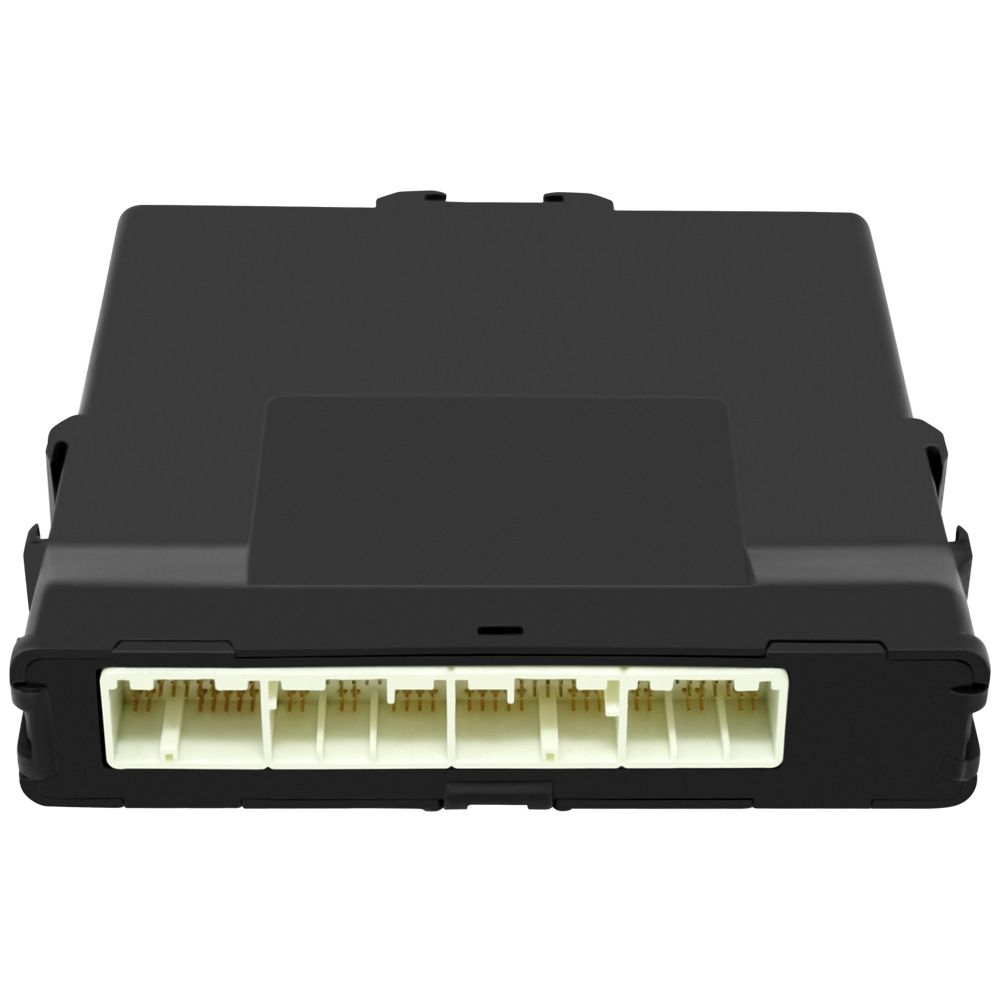
Flagship One stocks a refurbished, VIN-programmed PCM for the 2006 Toyota Tacoma with a lifetime warranty, free shipping and no core charge. The full Toyota Tacoma module lineup covers other engine configurations as well.
Your 2006 Toyota Tacoma relies on its engine computer for daily operation and emissions compliance. Addressing symptoms early and ensuring proper VIN programming during any replacement keeps your midsize truck reliable and inspection-ready. Consider your repair options carefully to maintain the durability Toyota built into this specific 2.7L configuration for years of dependable service on the road ahead with confidence.