
Last updated on August 25th, 2026 at 12:03 pm
The engine control module in a 2004 Toyota Echo manages fuel delivery and ignition timing. When this computer fails, it typically disrupts the communication between sensors and actuators, often leading to erratic idling, poor fuel economy, or a complete failure of the engine to start.
Dealing with a vehicle that refuses to start or behaves erratically can be frustrating, especially when the cause is not immediately obvious. In the 2004 Toyota Echo, the engine control module serves as the brain of the powertrain, coordinating a vast array of inputs to keep the 1.5L engine running efficiently. If this component begins to fail, you might notice a gradual decline in performance or a sudden loss of engine power. Understanding the role of the powertrain control module is essential for any owner or technician attempting to diagnose these complex electrical issues. This guide provides a detailed look at how these modules function, the symptoms of internal failure, and the steps required for a successful replacement. By learning about the relationship between the hardware and the software, you can better understand why a simple part swap is often not enough. You will gain insight into the specific labor requirements and the importance of precise programming to ensure your vehicle returns to its optimal operating condition without further complications.
The engine control module is the central processing unit for your vehicle’s engine management system. In the 2004 Toyota Echo, this device monitors data from various sensors, such as the oxygen sensors and the crankshaft position sensor, to determine the exact amount of fuel to inject and when to trigger the spark plugs. This constant calculation happens in milliseconds, ensuring that the 1.5L engine maintains a balance between power and emissions. Because it manages so many critical functions, any internal short or corrupted data can lead to severe drivability issues. When seeking replacement engine computers for the 2004 Toyota Echo, it is important to recognize that the module is more than just a circuit board; it is the primary interface between the mechanical components of the engine and the electronic controls. If the processor fails, the vehicle may enter a limp mode or fail to recognize key signals entirely. This makes the module vital for everything from cold-start reliability to highway fuel efficiency. Without a functioning unit, the engine cannot synchronize its timing with the fuel delivery, which typically results in a non-operational vehicle. The complexity of the internal circuitry means that these units are generally replaced rather than repaired when a hardware failure occurs.
2004 Toyota Echo
OEM programmed replacements — plug & play, no dealer visit.
Find yours by year, make & model →
Free shipping · Lifetime warranty
The control module in the 2004 Toyota Echo is situated to be accessible for technicians, though its exact mounting point is designed to protect it from engine heat. Replacing the unit is a straightforward process in terms of physical labor. According to industry book times, the removal and replacement of the Engine Control Module is listed at 0.5 hours. Similarly, the removal and replacement of the Powertrain Control Module is also estimated at 0.5 hours. These figures suggest that the process involves disconnecting the wiring harnesses, unbolting the unit from its bracket, and installing the new hardware. Because the module is sensitive to electrostatic discharge, it is important to handle the unit carefully during the installation process to avoid damaging the internal processors before the unit is even powered on in your vehicle.
| Operation | Configuration | Book Time |
|---|---|---|
| Engine Control Module Relearn | All configurations | 0.5 hr |
| Engine Control Module R&R | All configurations | 0.5 hr |
| Powertrain Control Module R&R | All configurations | 0.5 hr |
| Powertrain Control Module Relearn | All configurations | 0.5 hr |
Once a new module is physically installed, the vehicle requires a software synchronization process to function correctly. Factory guidelines specify a relearn procedure, with the Engine Control Module Relearn and the Powertrain Control Module Relearn both listed at 0.5 hours of labor. This process ensures the computer recognizes the vehicle’s specific configuration and sensor offsets. However, Flagship One simplifies this by providing units that are already programmed to your specific VIN. By using a VIN-programmed replacement unit, you can bypass the tedious factory flash and relearn steps that typically require expensive dealership scan tools. This means the complex software handshake between the new hardware and your vehicle’s existing systems is handled before the part ever reaches your door. Consequently, the unit is ready to manage your engine immediately upon installation, reducing the risk of programming errors and significantly cutting down the total time your vehicle spends in the shop.
Identifying a failing control module in a 2004 Toyota Echo can be challenging because the symptoms often mimic those of a faulty sensor or a wiring problem. One of the most common signs of failure is a sudden no-start condition, where the engine cranks but fails to ignite because the computer is not triggering the fuel injectors or the ignition coils. You may also experience intermittent stalling, where the engine shuts off unexpectedly while idling or cruising, only to restart after a few minutes. In some cases, the vehicle might suffer from a persistent misfire that does not respond to new spark plugs or coils. Another red flag is a loss of communication with the onboard diagnostics system; if a technician cannot establish a connection with the PCM using a scan tool, the module itself is likely the culprit. You might also notice erratic shifting if the module is struggling to coordinate with the transmission. While specific codes are usually needed for a definitive diagnosis, a general internal processor fault often triggers a specific warning. If you encounter an internal control module memory error, it is a strong indicator that the hardware is failing. These symptoms collectively point to a breakdown in the module’s ability to process data, leading to unpredictable engine behavior and decreased reliability.
Toyota has issued specific technical service bulletins regarding the updating of the engine computer. Bulletin #SS002-01 outlines a revised ECU flash reprogramming process for models from 2001 and later. Additionally, bulletin #SS002-07 provides the specific Techstream ECU flash reprogramming procedure for Toyota vehicles manufactured between 2001 and 2008. These bulletins emphasize the importance of following the correct software update protocols to ensure the ECU operates with the most current factory logic and to prevent errors during the flashing process.
| Bulletin | Subject | What It Addresses |
|---|---|---|
| SS002-01 | :SS002-01: 2001 & Later Applicable Models: ECU Flash Reprogramming Process (Revised) | — |
| SS002-07 | :SS002-07: 01-08 Applicable Toyota: Techstream ECU Flash Reprogramming Procedure | — |
Yes, if the module fails to send signals to the fuel system or ignition, the engine will not start. This is often a primary symptom of internal hardware failure.
Typically, a dealer is required for the flash and relearn process. However, using a pre-programmed unit allows you to avoid this step entirely.
A P0601 code usually indicates an internal memory error. Replacing the module is typically the only way to resolve this specific hardware fault.
The physical removal and installation are generally estimated at 0.5 hours of labor.
Yes, if the connector seals fail, water can enter the module and cause short circuits. Keeping these seals intact is a key prevention step.
When deciding how to resolve a module failure, you generally have two paths. Some choose to attempt a repair of the existing board, but this is often unreliable for long-term use. A refurbished replacement unit provides a more stable solution, offering the reliability of factory hardware with the benefit of professional testing. For the 2004 Toyota Echo, choosing a unit that is already matched to your vehicle’s specifications ensures a seamless return to the road.
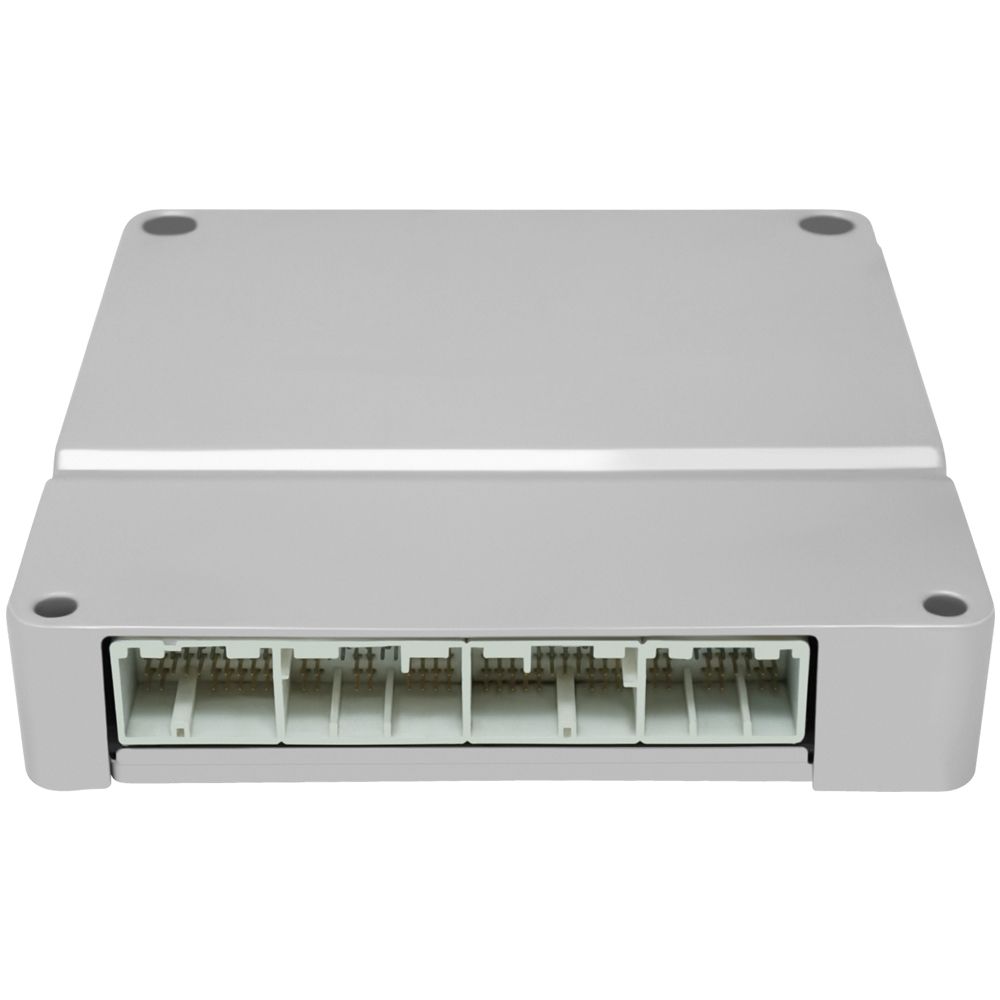
Flagship One stocks a refurbished, VIN-programmed PCM for the 2004 Toyota Echo with a lifetime warranty, free shipping and no core charge. The full Toyota Echo module lineup covers other engine configurations as well.
Maintaining the electronic health of your 2004 Toyota Echo is key to its longevity. While a control module failure can be an intimidating prospect, understanding the symptoms and the replacement process makes the repair manageable. By focusing on quality hardware and correct programming, you can restore your vehicle’s performance. If you are experiencing the symptoms described, it may be time to explore a professional replacement option.