
Last updated on August 25th, 2026 at 12:03 pm
The engine control module manages fuel injection and ignition timing in your 2005 Toyota Echo. Internal electronic failures may disrupt communication between sensors and actuators. This disruption often leads to drivability issues requiring professional diagnosis or module replacement to restore proper vehicle operation.
Dealing with electronic management issues in your 2005 Toyota Echo can be frustrating when the root cause points to the central computer. You likely noticed irregular engine behavior before seeking information about the control module. Understanding the scope of work involved helps you prepare for the repair process effectively. This guide explains the function of the powertrain control system within your specific vehicle context. You will learn about standard labor allowances and factory procedures associated with replacement. Knowledge of these requirements allows you to verify shop estimates or plan a DIY restoration with confidence. We focus on neutral facts regarding time allocations and technical service updates. Proper handling of these electronic components ensures long-term reliability for your compact car. Reading further provides clarity on what happens during installation and why programming matters. You gain insight into maintaining the electronic integrity of your engine management system. This information supports informed decisions regarding repair versus replacement options for your vehicle. Many owners overlook the relearn phase, which is critical for synchronization. Ignoring these steps may lead to persistent performance concerns despite hardware installation. Your goal is restoring full functionality without unnecessary delays or repeated visits to the shop.
This component serves as the brain of the engine management system in your 2005 Toyota Echo. It processes data from various sensors to regulate fuel delivery and ignition timing precisely. Without proper function, the engine may run rich or lean, causing efficiency losses. The computer also monitors emissions systems to ensure compliance with environmental standards. When internal circuits degrade, signal processing becomes erratic and affects drivability. You rely on this unit to coordinate complex mechanical operations seamlessly throughout every drive cycle. Replacement options often involve sourcing replacement engine computers for the Echo that meet original equipment standards. Installing a unit that lacks proper calibration can result in suboptimal performance or failure to start. The module protects itself by entering limp mode when critical faults are detected. This protective strategy prevents further damage to connected components like sensors or actuators. Understanding its role helps you appreciate why programming is essential after physical installation. The software within dictates how your vehicle responds to throttle inputs and load changes. Maintaining this electronic hub is vital for the longevity of your powertrain. Neglecting signs of failure may lead to more extensive repairs down the road. You should view this component as integral to overall vehicle health and safety. Proper diagnosis confirms whether the issue lies within the computer or external wiring. Voltage spikes from the charging system can damage internal microprocessors over time. Consistent electrical health supports the durability of these sensitive electronic assemblies. Your vehicle depends on this communication network to operate smoothly under varying conditions.
Engine computer (ECM/PCM)
OEM programmed replacements — plug & play, no dealer visit.
Find yours by year, make & model →
Free shipping · Lifetime warranty
Physical replacement of the control unit involves removing the existing hardware from its mounted position. Book time guidelines suggest allocating 0.5 hours for the removal and installation process. This duration covers the standard labor effort required to swap the component safely. Technicians typically follow specific protocols to avoid damaging connector pins during separation work. The labor estimate for relearning procedures is also listed at 0.5 hours separately. You should expect these timeframes to reflect standard shop billing practices for this work. Access requirements vary, but the labor book provides a consistent baseline for planning efforts. Handling the electronic component requires care to prevent static discharge during service. The installation phase concludes with verifying all connections are seated properly before testing. Your service provider will use these book times to generate an accurate estimate for labor. Combining the removal time with the relearn time provides a complete picture of shop effort. Neither task should be rushed to ensure integrity of the new installation fully. Proper mounting prevents vibration related failures in the future for your vehicle. You can use these figures to compare quotes from different repair facilities effectively. Planning around these standard allowances helps manage expectations for the total repair duration.
| Operation | Configuration | Book Time |
|---|---|---|
| Engine Control Module Relearn | All configurations | 0.5 hr |
| Engine Control Module R&R | All configurations | 0.5 hr |
| Powertrain Control Module R&R | All configurations | 0.5 hr |
| Powertrain Control Module Relearn | All configurations | 0.5 hr |
Factory procedures often require flash reprogramming after installing a new control module. Technical service information indicates a reprogramming procedure exists for applicable Toyota models from this era. This step ensures the software within the computer matches the specific configuration of your vehicle. Skipping this process may result in communication errors or limited functionality within the system. Flagship One units arrive as a VIN-programmed replacement unit so those steps are already done. This eliminates the need for specialized diagnostic tools at the time of installation. You save time and avoid potential complications associated with manual flashing procedures. The pre-configured software allows the engine to recognize the new computer immediately. Standard relearn labor time is estimated at 0.5 hours if manual programming were required. Having the unit ready out of the box streamlines the entire repair workflow. Your vehicle benefits from accurate calibration without additional shop visits for coding. This approach reduces the risk of errors during the initialization phase significantly. Professional installation still remains recommended to handle physical connections safely and correctly. You gain peace of mind knowing the electronic identity matches your car exactly. The elimination of post-install programming steps simplifies the restoration process significantly for you.
Symptoms of control module failure in your 2005 Toyota Echo often manifest as drivability concerns. You may experience unexpected stalling when coming to a stop or idle fluctuations. The engine might crank without starting due to missing fuel or spark signals. Misfire codes can appear even when ignition components test within normal specifications. Loss of communication with scan tools is a strong indicator of internal computer failure. Shifting issues may occur if the transmission relies on data from this module. Performance often feels sluggish or unresponsive during acceleration attempts in daily driving. Electrical gremlins may surface alongside engine management problems in severe cases occasionally. The check engine light might illuminate steadily or flash depending on the fault severity. Intermittent problems can make diagnosis challenging without proper equipment and knowledge available. You might notice poor fuel economy as the system defaults to rich running conditions. In some instances, the vehicle enters a protective limp mode to prevent damage. These symptoms suggest the central processor is struggling to manage engine functions properly. Wiring issues should be ruled out before condemning the computer entirely first. Voltage irregularities from the alternator can mimic computer failure symptoms closely sometimes. Persistent no-start conditions warrant a thorough check of power and ground circuits. Your observation of these behaviors helps technicians narrow down the root cause efficiently. Addressing these signs promptly prevents being stranded unexpectedly on the road later. Corrupted sensor data processing can lead to erratic throttle response during driving. Rough idle quality often points to timing calculations being off within the processor. You should document when these issues occur to assist with the diagnostic process.
Factory service information includes bulletin number SS002-07 regarding applicable Toyota vehicles specifically. This technical service bulletin covers the Techstream ECU firmware reprogramming procedure details. The coverage applies to models manufactured between 2001 and 2008 inclusive generally. Following this procedure ensures the software within the computer is up to date. Technicians use this guide when performing updates on the engine control unit. Adhering to factory bulletins maintains compliance with original engineering specifications always. Your repair shop should reference this document during diagnostic or replacement work. It outlines the correct method for updating the firmware within the module. Ignoring these updates may leave known software issues unaddressed in your vehicle. This resource supports proper maintenance of the electronic management system over time.
| Bulletin | Subject | What It Addresses |
|---|---|---|
| SS002-07 | :SS002-07: 01-08 Applicable Toyota: Techstream ECU Flash Reprogramming Procedure | — |
Book time guidelines indicate 0.5 hours for removal and installation. An additional 0.5 hours is typically allocated for relearn procedures. Total labor time depends on shop rates and specific conditions.
Factory procedures often require flash reprogramming after installation. Units from Flagship One arrive pre-programmed to eliminate this step. This ensures immediate compatibility without specialized tools.
Common signs include stalling, no-start conditions, or loss of scan tool communication. Misfires and shifting issues may also point to module failure. Proper diagnosis is needed to confirm the root cause.
Bulletin SS002-07 covers flash reprogramming for applicable Toyota models. This includes vehicles from 2001 through 2008 model years. Technicians reference this for proper update procedures.
Physical installation is straightforward but requires careful handling of connectors. Programming requirements may necessitate professional equipment if not pre-configured. Verify unit status before attempting a DIY installation.
Choosing between repair and replacement depends on the extent of internal damage. Refurbished options offer a cost-effective solution compared to new dealer parts. Your 2005 Toyota Echo deserves a reliable component to restore performance. Evaluate the condition of your current unit before making a final decision. Professional installation ensures all connections and programming steps are handled correctly.
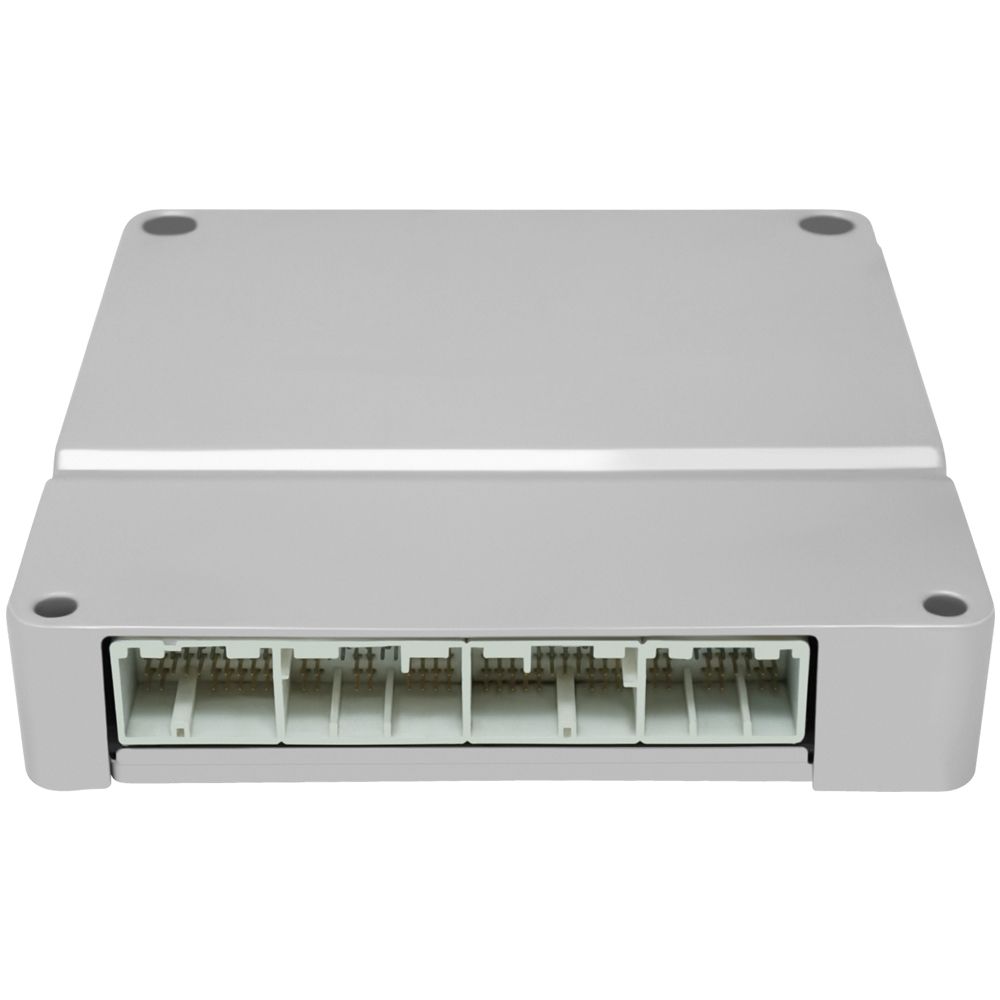
Flagship One stocks a refurbished, VIN-programmed PCM for the 2005 Toyota Echo with a lifetime warranty, free shipping and no core charge. The full Toyota Echo module lineup covers other engine configurations as well.
Restoring your 2005 Toyota Echo requires attention to electronic management details. Understanding labor times and programming needs helps you plan the repair effectively. Proper replacement ensures your vehicle returns to reliable daily service. Consider your options carefully to maintain long-term engine health. Contact us for more information on compatible replacement modules.