
Last updated on August 25th, 2026 at 12:04 pm
The engine control module in the 2003 Toyota Echo manages essential fuel delivery and ignition timing functions. When this computer fails, it often disrupts overall engine performance, potentially causing stalling or a complete no-start condition that prevents normal driving.
When a 2003 Toyota Echo experiences sudden stalling or refuses to start, the engine control module often becomes a primary suspect. This critical computer dictates how the engine operates, adjusting air and fuel mixtures to maintain efficient combustion. Understanding how this component functions, where it is located, and what happens when it malfunctions provides valuable insight for any driver facing unexpected drivability issues. You might be dealing with an intermittent misfire or a complete communication failure with diagnostic tools, both of which point toward internal electronics degradation. Navigating the replacement process involves specific labor times and factory programming steps that are essential for a successful repair. By learning about the typical symptoms of a failing unit and the necessary reprogramming procedures, you gain the knowledge needed to make informed decisions about your vehicle. Whether you are troubleshooting a persistent check engine light or preparing for a module swap, having a clear picture of the required steps removes uncertainty from the repair process. Exploring the technical service bulletins and relearn requirements ensures your 2003 Toyota Echo returns to reliable service without unnecessary delays or repeated trips to the mechanic.
The engine control module in the 2003 Toyota Echo acts as the central processor for managing powertrain operations. It continuously collects data from various sensors positioned throughout the engine bay, calculating the optimal air-to-fuel ratio and ignition timing required for smooth operation. This component ensures your vehicle runs efficiently under different driving conditions, from idling at a stoplight to accelerating on the highway. When internal circuitry degrades or the software encounters errors, the entire combustion process suffers. A malfunctioning unit often leads to poor fuel economy, rough idling, or even a complete failure to start, stranding you unexpectedly. Because this module controls the essential parameters of engine behavior, any deviation from its intended programming can severely impact drivability and engine longevity. Mechanics frequently diagnose these units by checking for communication faults or monitoring live data streams that appear inconsistent. If the internal memory becomes corrupted, seeking replacement engine computers for the Toyota Echo becomes the most reliable solution to restore proper function. The module essentially translates driver input into mechanical action, making it indispensable for daily commuting. Without a fully operational computer, the engine cannot maintain the precise synchronization required for combustion, leaving the vehicle inoperable. Understanding the vital role this computer plays helps clarify why addressing its failure promptly is critical for maintaining the overall health and reliability of your vehicle.
2003 Toyota Echo
OEM programmed ECM for your 2003 Toyota Echo — plug & play, no dealer visit.
Free shipping · Lifetime warranty
Accessing the engine control module on the 2003 Toyota Echo requires specific labor times dictated by standardized repair guides. Removing and reinstalling the unit requires 0.5 hours of labor, while a separate 0.5 hours of labor is allocated for the powertrain control module removal and installation process. This means the physical swap of the component is generally straightforward for a trained technician, though exact access steps vary based on the specific engine compartment layout. After the hardware is swapped, the vehicle requires specific calibration procedures to ensure the new computer communicates correctly with the rest of the onboard systems. The powertrain control module relearn process takes 0.5 hours of labor, and the engine control module relearn also requires 0.5 hours of labor. These designated times reflect the precision needed to sync the replacement computer with your vehicle. Following these standardized labor times ensures the installation aligns with factory expectations, allowing the engine to adapt to the newly installed hardware without throwing unexpected calibration errors.
| Operation | Configuration | Book Time |
|---|---|---|
| Engine Control Module Relearn | All configurations | 0.5 hr |
| Engine Control Module R&R | All configurations | 0.5 hr |
| Powertrain Control Module R&R | All configurations | 0.5 hr |
| Powertrain Control Module Relearn | All configurations | 0.5 hr |
Completing the factory programming procedure after installing a new computer in the 2003 Toyota Echo involves specific flash reprogramming steps. The manufacturer outlines these requirements in service bulletins, detailing the exact ECU flash reprogramming process necessary for proper integration. During a standard replacement, a technician must perform a relearn procedure, which requires 0.5 hours of labor for the engine control module and another 0.5 hours of labor for the powertrain control module relearn. This calibration ensures the vehicle recognizes the new hardware and adjusts idle parameters accordingly. However, choosing a VIN-programmed replacement unit eliminates the need for these extensive dealership flash procedures. Because the necessary calibration data is already installed, you avoid the labor time associated with the Techstream ECU flash reprogramming procedure entirely. The computer arrives ready to communicate with your vehicle’s existing sensor network, significantly simplifying the installation process. This pre-programming advantage means your vehicle can typically start and run immediately after the physical swap, bypassing the complex software initialization steps that would otherwise keep your car in the repair shop longer.
When the engine control module begins to fail in the 2003 Toyota Echo, several distinct symptoms often emerge that disrupt normal driving. One of the most common indicators is a complete no-start condition, where the engine cranks vigorously but fails to ignite the fuel mixture, leaving you stranded at home or on the road. Intermittent stalling is another frequent issue, typically occurring unexpectedly while idling at a traffic light or decelerating toward a stop sign, which creates unpredictable and potentially unsafe driving conditions. You might also notice misfire codes illuminating the check engine light, pointing directly to the computer’s inability to manage ignition timing effectively across all cylinders. In more severe cases, the module loses its ability to communicate with external diagnostic equipment, resulting in dead scan-tool communication that prevents mechanics from reading the necessary fault data to diagnose the problem. While transmission shifting issues are more commonly associated with combined powertrain controllers in other vehicles, any hesitation or irregular gear engagement in your vehicle could still point to broader computer faults affecting overall performance. As the internal circuitry gradually degrades, fuel economy often suffers significantly because the computer defaults to overly rich fuel maps just to keep the engine running. These symptoms frequently appear sporadically at first, gradually increasing in frequency and severity until the vehicle becomes completely undrivable. Recognizing these early warning signs allows you to address the malfunction before a minor inconvenience becomes a major reliability concern.
The manufacturer has released specific technical service bulletins regarding the computer systems in applicable models. Bulletin SS002-01 details a revised ECU flash reprogramming process for 2001 and later applicable models, addressing software irregularities that may affect engine performance. Additionally, bulletin SS002-07 outlines the official Techstream ECU flash reprogramming procedure for 01-08 applicable Toyota vehicles. These bulletins indicate that updating the module software is a recognized factory solution for certain drivability concerns. Following the procedures detailed in SS002-01 and SS002-07 ensures the module operates with the latest calibration standards, resolving known software glitches that could mimic hardware failures.
| Bulletin | Subject | What It Addresses |
|---|---|---|
| SS002-01 | :SS002-01: 2001 & Later Applicable Models: ECU Flash Reprogramming Process (Revised) | — |
| SS002-07 | :SS002-07: 01-08 Applicable Toyota: Techstream ECU Flash Reprogramming Procedure | — |
The standardized book time for removing and installing the engine control module is 0.5 hours of labor. An additional 0.5 hours of labor is allocated for the engine control module relearn procedure.
The relearn procedure requires 0.5 hours of labor to calibrate the replacement computer with the vehicle’s existing sensors. This step ensures the engine idle and fuel parameters sync correctly after a new module is installed.
Yes, bulletin SS002-01 outlines a revised ECU flash reprogramming process for 2001 and later applicable models. Additionally, bulletin SS002-07 details the Techstream ECU flash reprogramming procedure for 01-08 applicable Toyota vehicles.
Driving with a failing module is generally not recommended because it may cause sudden stalling or a no-start condition. It is safer to address the issue promptly to avoid getting stranded in traffic.
A brand new module typically requires a relearn procedure, which takes 0.5 hours of labor, along with any specified flash reprogramming. However, a pre-programmed unit eliminates the need for these dealership initialization steps.
Deciding between repairing a faulty computer and purchasing a refurbished replacement for your 2003 Toyota Echo depends on the extent of the internal damage. While some localized circuit board damage might be repairable, a professionally refurbished unit often provides greater long-term reliability. Choosing a pre-programmed replacement ensures your vehicle gets back on the road without the delays of dealership programming.
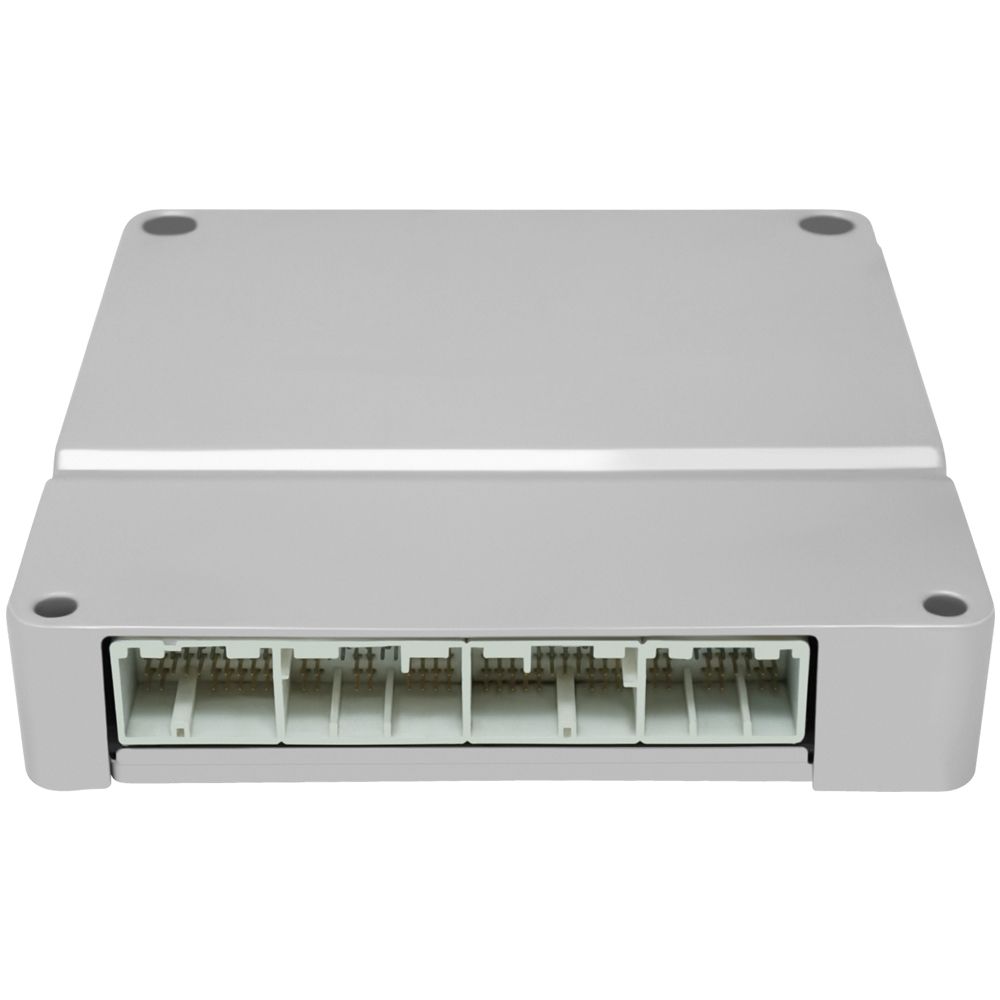
Flagship One stocks a refurbished, VIN-programmed PCM for the 2003 Toyota Echo with a lifetime warranty, free shipping and no core charge. The full Toyota Echo module lineup covers other engine configurations as well.
Addressing engine control module failures in the 2003 Toyota Echo promptly restores reliable engine performance and prevents unexpected stalling or no-start conditions from disrupting your daily commute. Understanding the designated labor times and factory reprogramming procedures allows you to approach the repair process with complete confidence. When you are ready to resolve these frustrating drivability issues, explore quality replacement options to get your vehicle running smoothly once again.