
Last updated on August 25th, 2026 at 12:04 pm
The powertrain control module in the 2002 Toyota Sequoia manages the 4.7L engine’s fuel and ignition systems. When this computer fails, it often causes hard starting, unexpected stalling, or poor fuel economy, requiring replacement to restore proper vehicle operation.
When your 2002 Toyota Sequoia struggles with erratic engine behavior, the powertrain control module often becomes a primary suspect. This critical computer dictates how the 4.7L V8 engine operates, adjusting fuel and spark to keep your SUV running smoothly. Understanding what this component does, where it is located, and how it is replaced can save you time and money at the repair shop. You will learn about the specific labor times involved, the factory programming requirements, and the common symptoms that point to a failing unit. Rather than guessing at the problem, gaining clear, factual knowledge about your vehicle’s engine computer helps you make confident repair decisions and get your Sequoia back on the road reliably. A faulty unit disrupts these vital engine functions, leading to noticeable performance issues.
In the 2002 Toyota Sequoia, the powertrain control module serves as the central brain for the 4.7L engine. It constantly processes data from various sensors to calculate the precise amount of fuel needed and the exact timing for the ignition spark. This continuous adjustment ensures the engine runs efficiently and meets emissions standards. When this module functions correctly, your vehicle starts reliably and accelerates smoothly. However, when internal circuitry degrades, the engine may run poorly or fail to start entirely. Replacing the faulty unit with Toyota Sequoia engine computers restores these critical management functions. Because the module controls vital engine parameters, any malfunction directly impacts drivability and fuel economy. Ignoring a failing computer often leads to cascading sensor issues, leaving you stranded or facing costly towing bills. Proper diagnosis is essential, as similar symptoms may arise from simple sensor failures rather than the main computer itself.
Engine computer (ECM/PCM)
OEM programmed replacements — plug & play, no dealer visit.
Find yours by year, make & model →
Free shipping · Lifetime warranty
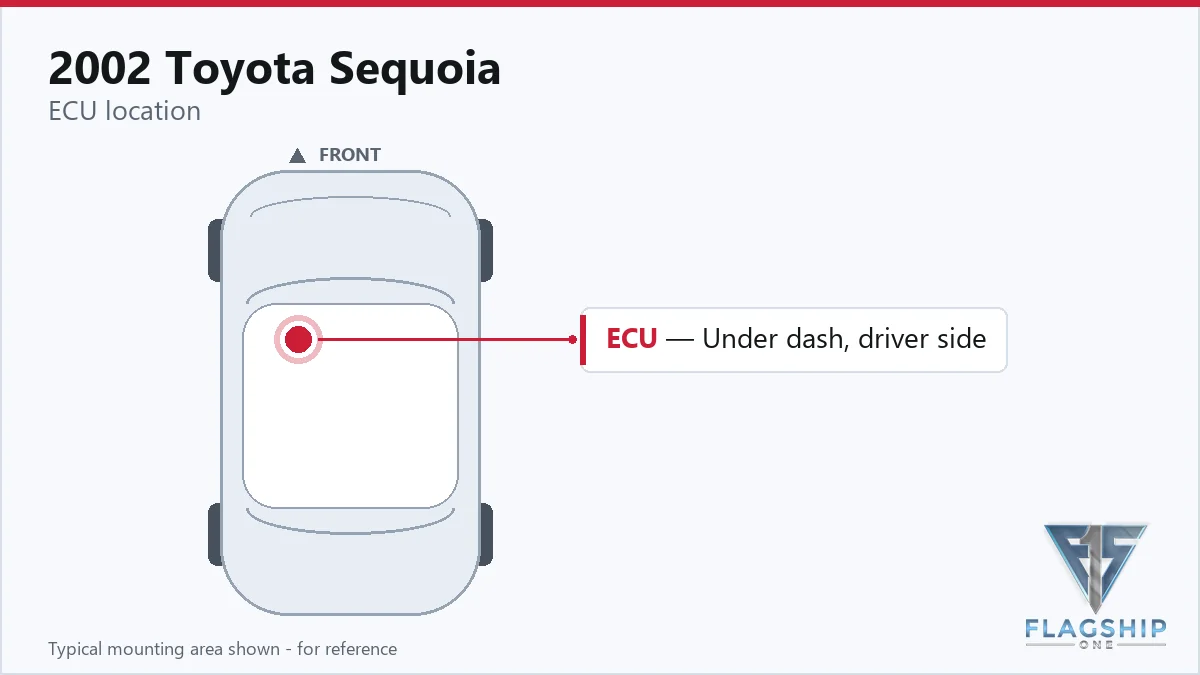
According to the factory wiring guide’s component grid, the engine ECU sits inside the instrument panel. Accessing the unit requires working behind the dash area to disconnect the old computer and install the new one. The industry standard book time for removing and reinstalling the powertrain control module is 0.5 hours. Following the physical swap, a relearn procedure is generally necessary so the vehicle recognizes the new hardware. The designated book time for the powertrain control module relearn is an additional 0.5 hours. The labor time for the engine control module R&R is also 0.5 hours, with its corresponding relearn requiring another 0.5 hours. These specific time allocations cover the expected duration a technician needs to complete the physical swap and the electronic synchronization process.
| Operation | Configuration | Book Time |
|---|---|---|
| Engine Control Module Relearn | All configurations | 0.5 hr |
| Engine Control Module R&R | All configurations | 0.5 hr |
| Powertrain Control Module R&R | All configurations | 0.5 hr |
| Powertrain Control Module Relearn | All configurations | 0.5 hr |
After replacing the computer in your 2002 Toyota Sequoia, the factory procedure requires specific reprogramming steps. Technical service bulletins outline the electronic control unit flash update method and the Techstream software procedure to calibrate the new unit. These steps ensure the module matches your vehicle’s exact specifications. Without this programming, the engine may not start or run correctly. Choosing a pre-programmed engine computer from Flagship One eliminates this hassle entirely. Because the unit arrives already synced to your vehicle’s VIN, the flash reprogramming and lengthy dealer visits are already handled. You simply install the part and start the engine, bypassing the complex factory setup steps.
When the powertrain control module begins to fail in the 2002 Toyota Sequoia, several noticeable symptoms often appear. The most common issue is a crank-but-no-start condition, where the engine turns over but refuses to fire. You may also experience unexpected stalling while driving, which creates a serious safety concern. Misfire codes frequently trigger the check engine light, even when the spark plugs and coils are in good condition. In some cases, a failing module causes rough shifting or prevents the transmission from engaging properly. Diagnostic tools may also fail to communicate with the vehicle entirely, indicating a dead module. These symptoms happen because the computer can no longer process sensor data or control the fuel injectors and ignition coils effectively. Recognizing these specific signs helps differentiate a computer failure from routine sensor or ignition problems.
Toyota has released specific technical service bulletins regarding the programming procedures for these engine computers. Bulletin SS002-01 addresses the revised electronic control unit flash update method for 2001 and later applicable models. Additionally, bulletin SS002-07 details the Techstream electronic control unit flash update steps for 01-08 applicable Toyota vehicles. These bulletins emphasize that proper diagnostic equipment and software are necessary to ensure the newly installed module operates correctly with the vehicle’s existing systems. Following the factory guidelines specified in these documents guarantees the module receives the latest calibration updates, which often resolve known drivability concerns. Reviewing these documents before attempting a replacement ensures the repair meets the manufacturer’s exact standards.
| Bulletin | Subject | What It Addresses |
|---|---|---|
| SS002-01 | :SS002-01: 2001 & Later Applicable Models: ECU Flash Reprogramming Process (Revised) | — |
| SS002-07 | :SS002-07: 01-08 Applicable Toyota: Techstream ECU Flash Reprogramming Procedure | — |
The factory wiring guide’s component grid places the engine ECU inside the instrument panel. Accessing it typically requires working behind the dashboard area to reach the mounting bracket.
The standard book time for removing and reinstalling the powertrain control module is 0.5 hours. An additional 0.5 hours is allocated for the required relearn procedure after installation.
Yes, factory procedures require a relearn process and specific flash reprogramming steps outlined in bulletins like SS002-07. This ensures the new unit communicates properly with the rest of the vehicle’s electronic systems.
Deciding between repairing or replacing the computer in your 2002 Toyota Sequoia depends on the specific failure. While some specialized shops offer repair services for existing modules, a refurbished replacement often provides a more reliable long-term solution with a warranty. Choosing a pre-programmed unit eliminates the need for complex dealer programming, saving you time and labor costs. Consider the severity of the symptoms and the overall condition of your vehicle when weighing these options.
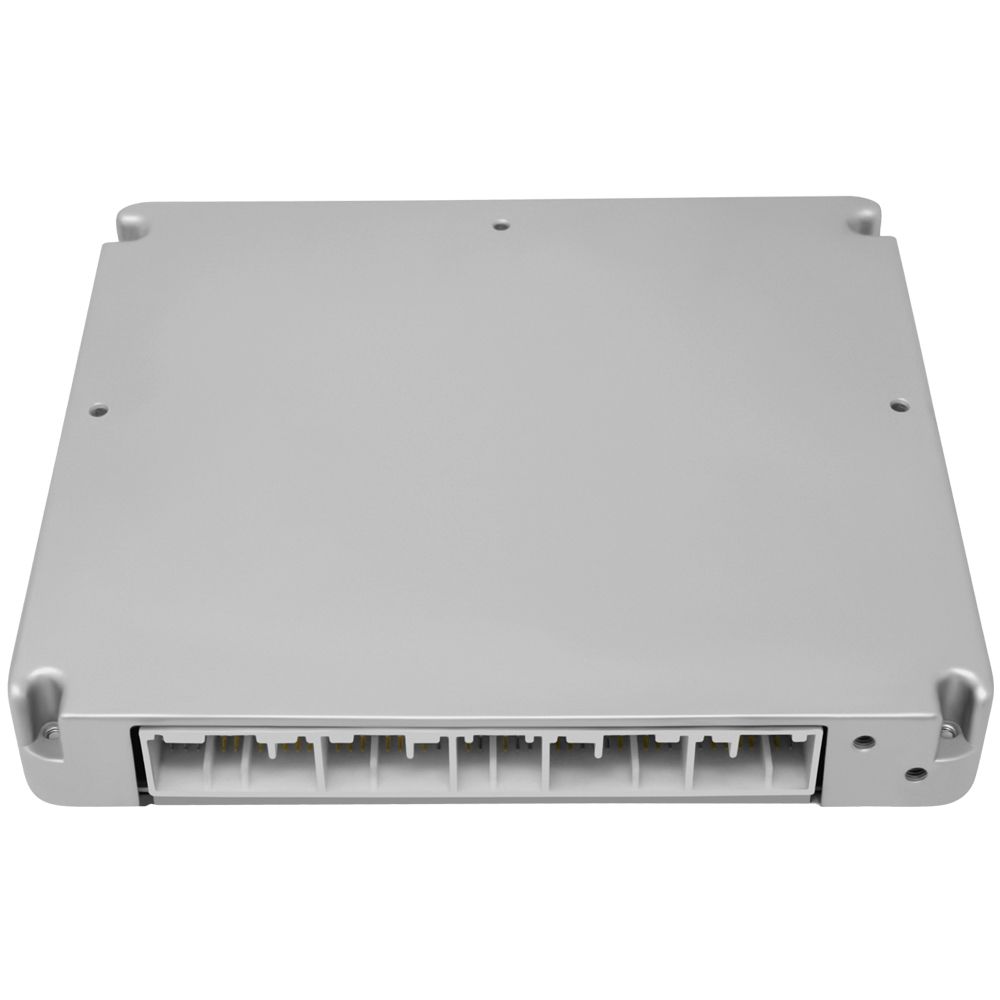
Flagship One stocks a refurbished, VIN-programmed PCM for the 2002 Toyota Sequoia with a lifetime warranty, free shipping and no core charge. The full Toyota Sequoia module lineup covers other engine configurations as well.
Addressing powertrain control module issues in your 2002 Toyota Sequoia promptly prevents further drivability complications. Understanding the location, labor times, and required programming ensures you approach the repair with confidence. Whether you are troubleshooting a persistent no-start condition or resolving erratic shifting, replacing the faulty unit restores vital engine management. Explore quality replacement options to get your vehicle running smoothly again and avoid future breakdowns.