
Last updated on August 25th, 2026 at 12:04 pm
The engine control module in your 2002 Toyota 4Runner manages fuel injection, ignition timing, and emission controls. Heat cycles, voltage spikes from improper jump starts, and internal solder fractures often degrade this computer over time, leading to erratic engine behavior, warning lights, or complete operational failure that strands drivers without warning.
When your 2002 Toyota 4Runner begins running rough or the check engine light stays on, the engine control module could be the culprit. This onboard computer coordinates ignition timing, fuel delivery, and transmission shifting for the 3.4L V6. You might notice hard starting, unexpected stalling, or poor fuel economy that no tune-up seems to fix. Understanding how this module functions helps you discuss repairs knowledgeably with your technician. You will learn where Toyota placed this computer, what factory procedures follow replacement, and why pre-programmed units save shop time. This guide covers diagnostic symptoms, official service bulletins, and practical steps to protect your investment. Whether you are troubleshooting a no-start condition or planning a replacement, accurate information prevents unnecessary repairs and gets your vehicle back to reliable operation.
2002 Toyota 4Runner
OEM programmed ECM for your 2002 Toyota 4Runner — plug & play, no dealer visit.
Free shipping · Lifetime warranty
Your 2002 Toyota 4Runner relies on an engine control module to oversee the 3.4L V6. This processor reads data from oxygen sensors, throttle position switches, and crankshaft sensors to calculate precise fuel injection pulses and ignition advance. It also manages the automatic transmission shift points and emission control systems. When you shop for replacement engine computers for the 4Runner, you are selecting the brain that coordinates these critical interactions. Without reliable processing, fuel mixture errors trigger catalyst damage, while timing faults can cause detonation or rough running. The module stores adaptive learning tables that refine performance based on your driving habits and altitude. Maintaining this computer in good health preserves the engineered balance between power and efficiency that Toyota designed for this specific SUV.
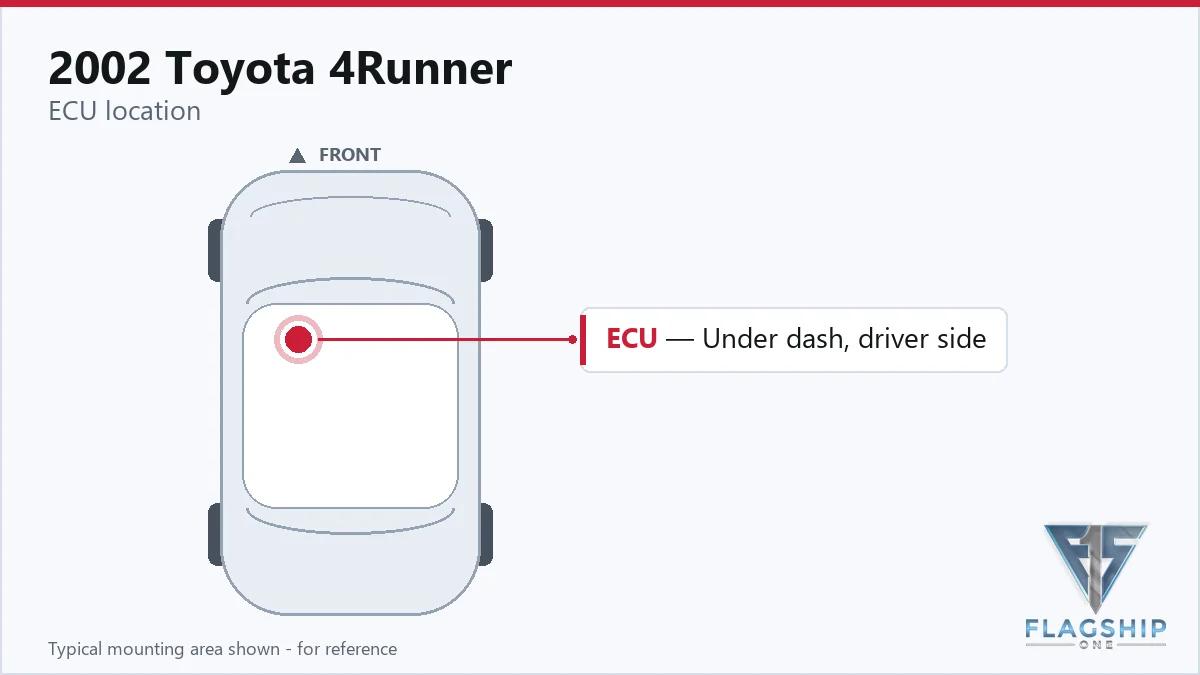
The factory wiring guide shows the engine ECU mounted within the instrument panel of your 2002 Toyota 4Runner. Reaching this computer requires careful disassembly of the dashboard components to avoid damaging trim clips or wiring harnesses. The published labor allowance for removing and replacing either the engine control module or powertrain control module is 0.8 hours. This estimate covers the mechanical exchange but does not include diagnostic time or supplementary repairs. After physical installation, the service manual specifies a relearn procedure requiring 0.5 hours to allow the module to calibrate throttle position and idle speed parameters. Your technician will likely perform both operations sequentially. Because the module sits deep in the cabin rather than the engine bay, interior air temperatures typically protect it from extreme thermal cycling, though humidity and vibration remain concerns during the service life of your vehicle.
| Operation | Configuration | Book Time |
|---|---|---|
| Engine Control Module Relearn | All configurations | 0.5 hr |
| Engine Control Module R&R | All configurations | 0.8 hr |
| Powertrain Control Module R&R | All configurations | 0.8 hr |
| Powertrain Control Module Relearn | All configurations | 0.5 hr |
Toyota service bulletins describe flash reprogramming procedures that dealers must perform on new modules to match your specific calibration. The factory relearn process requires 0.5 hours of labor to synchronize the computer with your vehicle’s throttle body and transmission. When you order a VIN-programmed replacement unit, Flagship One has already completed these mandatory software loads using your specific vehicle identification number. Your technician simply installs the hardware and verifies communication with the scan tool. This preparation eliminates the need for dealership programming appointments and reduces total downtime. The pre-installed calibration maintains factory emission standards and shift quality without additional wait times.
A failing engine computer in your 2002 Toyota 4Runner may produce intermittent no-start conditions, especially when the engine is warm. You might experience sudden stalling at intersections or surging during steady highway cruising. The transmission could shift harshly or refuse to enter overdrive if the module sends incorrect torque converter lockup commands. Diagnostic scanners sometimes lose communication with the ECU entirely, preventing code retrieval. Intermittent check engine lights with random misfire codes often point to internal processor faults rather than ignition components. Voltage fluctuations from the alternator can trigger these symptoms sporadically, making diagnosis challenging without professional scan tools. Addressing these signs early prevents catalyst damage and roadside breakdowns.
Toyota issued service bulletin SS002-01 covering ECU flash reprogramming processes for 2001 and later models including your 2002 Toyota 4Runner. This document outlines revised procedures for updating calibration software to current specifications. Additionally, bulletin SS002-07 applies to 2001 through 2008 Toyota vehicles and details the Techstream ECU flash reprogramming procedure using factory diagnostic equipment. These bulletins guide technicians through proper software updates when replacing modules or addressing specific drivability concerns. Following these factory procedures ensures compatibility with emission control systems and transmission calibration standards for optimal operation.
| Bulletin | Subject | What It Addresses |
|---|---|---|
| SS002-01 | :SS002-01: 2001 & Later Applicable Models: ECU Flash Reprogramming Process (Revised) | — |
| SS002-07 | :SS002-07: 01-08 Applicable Toyota: Techstream ECU Flash Reprogramming Procedure | — |
Factory service procedures specify a relearn process that typically requires 0.5 hours. However, VIN-programmed replacements arrive with calibration already installed. Your installer simply performs the installation and verifies communication without additional dealership visits.
The factory wiring guide places the ECU inside the instrument panel behind the dashboard. Technicians must carefully remove trim panels to access the mounting bracket. The published labor time for this removal and replacement operation is 0.8 hours.
Yes, the module manages automatic transmission shift points and torque converter lockup. Internal processor faults may produce harsh shifts or prevent overdrive engagement. Proper diagnosis distinguishes between mechanical transmission issues and electronic control failures.
When deciding between repairing your existing module or installing a replacement, consider the age and internal condition of the original unit. Refurbished computers for the 2002 Toyota 4Runner undergo testing to verify processor function and memory integrity. Repair attempts on heat-damaged circuit boards often provide temporary solutions, while a fully programmed replacement restores factory performance standards. Evaluate your diagnostic results and long-term ownership plans before selecting the appropriate path for your SUV.
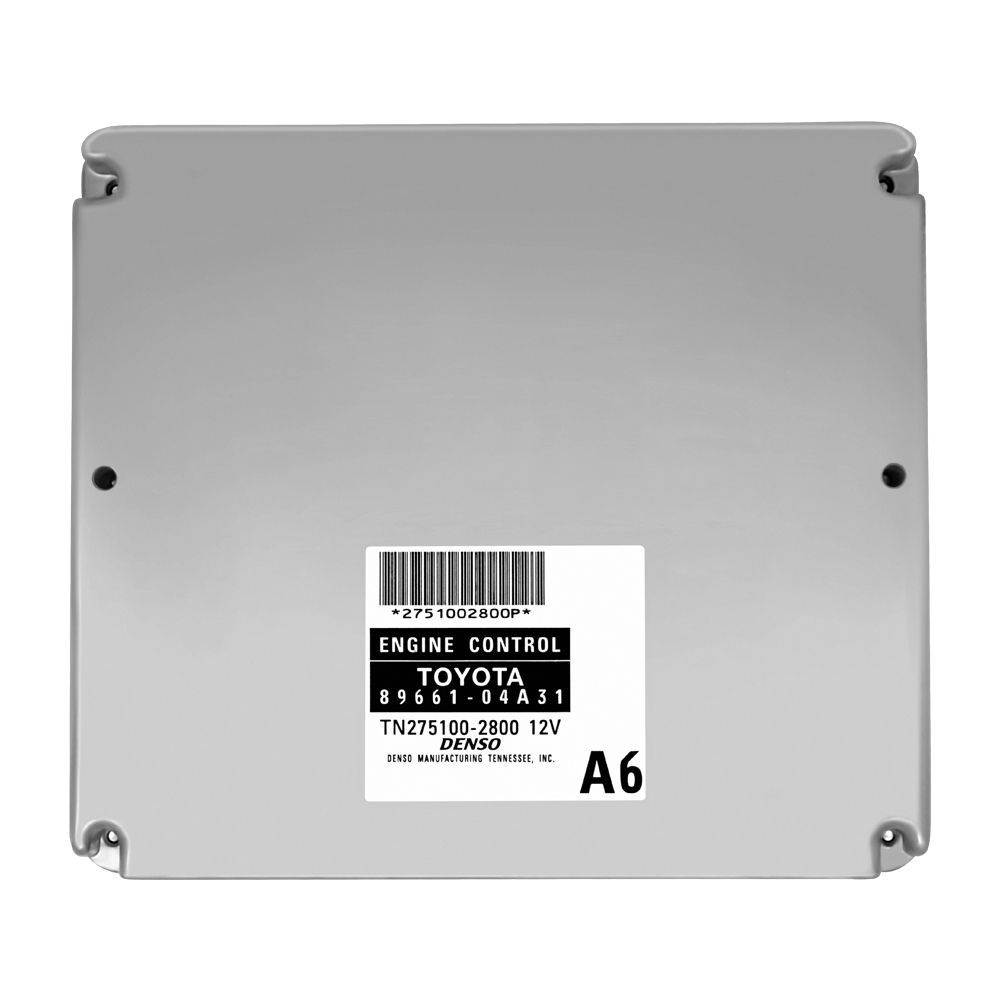
Flagship One stocks a refurbished, VIN-programmed PCM for the 2002 Toyota 4Runner with a lifetime warranty, free shipping and no core charge. The full Toyota 4Runner module lineup covers other engine configurations as well.
Maintaining the engine control module in your 2002 Toyota 4Runner ensures reliable operation of the 3.4L V6. Whether you face intermittent stalling or communication errors, understanding the location, programming requirements, and factory procedures empowers informed decisions. Protect your investment with proper voltage maintenance and prompt attention to warning lights. Your SUV deserves accurate diagnostics and quality replacement components to preserve its engineered performance.