
Last updated on August 25th, 2026 at 12:08 pm
In the 1992 Plymouth Voyager, the Engine Control Module (ECM) and Powertrain Control Module (PCM) manage fuel delivery, ignition timing, and transmission shifting. A failure in either unit can disrupt communication with sensors, cause erratic engine behavior, and prevent the vehicle from starting or shifting correctly.
When a 1992 Plymouth Voyager begins to exhibit intermittent starting issues, sudden loss of power, or unexpected transmission shifting, the underlying cause may be a faulty Engine Control Module or Powertrain Control Module. These electronic brains coordinate the engine’s fuel and spark events and direct the automatic transmission’s shift points. Understanding how the modules function, what symptoms to watch for, and the steps required to replace them can save you time and prevent unnecessary parts purchases. This guide explains the role of each module in the Voyager, outlines the removal and installation process, and clarifies the programming requirements so you can make an informed decision about repair or replacement.
1992 Plymouth Voyager
OEM programmed ECM for your 1992 Plymouth Voyager — plug & play, no dealer visit.
Free shipping · Lifetime warranty
The ECM in the 1992 Plymouth Voyager receives input from the throttle position sensor, oxygen sensors, and crankshaft position sensor to calculate the precise amount of fuel and spark timing needed for each engine cycle. The PCM performs a similar role but also controls the automatic transmission, interpreting vehicle speed and engine load to select appropriate gear ratios. Together, these modules ensure smooth acceleration, fuel efficiency, and emissions compliance. When either unit loses calibration or internal memory, the Voyager may experience stalling, hard starts, or shift‑point errors, compromising drivability. Proper operation of the ECM and PCM is essential for reliable engine performance and transmission coordination, making them critical components in the vehicle’s overall control strategy. Replacing a defective unit typically involves removing the existing module and installing a new one, followed by a relearn procedure to synchronize the vehicle’s control parameters. For owners seeking a direct swap, Voyager replacement modules provide a proven path to restore full functionality.
In the 1992 Plymouth Voyager, the ECM and PCM are mounted under the passenger‑side dashboard, accessible after removing the lower trim panel. The removal process follows the same book time of 0.5 hours for both the Grand Voyager and standard Voyager versions. After disconnecting the electrical connectors, the module is secured with a few bolts that also require 0.5 hours to undo. Installation mirrors removal: position the new unit, torque the mounting bolts to the specified value, reconnect the harnesses, and replace the trim panel. The same 0.5‑hour labor estimate applies to the Powertrain Control Module, whether you are performing a removal‑and‑replace (R&R) or a relearn operation.
| Operation | Configuration | Book Time |
|---|---|---|
| Engine Control Module Relearn | Grand Voyager | 0.5 hr |
| Engine Control Module Relearn | Voyager | 0.5 hr |
| Engine Control Module R&R | Grand Voyager | 0.5 hr |
| Engine Control Module R&R | Voyager | 0.5 hr |
| Powertrain Control Module R&R | Grand Voyager | 0.5 hr |
| Powertrain Control Module R&R | Voyager | 0.5 hr |
| Powertrain Control Module Relearn | Grand Voyager | 0.5 hr |
| Powertrain Control Module Relearn | Voyager | 0.5 hr |
Once the new ECM or PCM is physically installed in the Voyager, the factory procedure calls for a relearn cycle to calibrate the module to the engine and transmission parameters. This step typically involves a diagnostic scan tool to initiate the ECM Relearn or PCM Relearn routine, each documented at 0.5 hours of labor. Flagship One supplies units that arrive VIN‑programmed, so the required data is already loaded. Consequently, the technician can skip the external programming step and proceed directly to the a VIN-programmed replacement unit verification, reducing shop time and eliminating the need for additional scan‑tool actions.
A failing ECM or PCM in a 1992 Plymouth Voyager may manifest as a complete no‑start condition, intermittent stalling while cruising, rough idle, or erratic transmission shifting. You might also notice the check engine light flashing and the diagnostic scanner reporting communication loss with the control module. In some cases, the vehicle will store a diagnostic trouble code such as P0601 internal clock fault, indicating a loss of internal timing reference within the module. These symptoms point to a loss of module memory or hardware failure, and they typically require inspection of the ECM/PCM before other components are addressed.
Service bulletin #18-037-05 describes a flash programming failure recovery method using the DRBIII® tool. This bulletin provides guidance for technicians when the original programming attempt does not succeed, outlining steps to re‑flash the module and verify proper operation.
| Bulletin | Subject | What It Addresses |
|---|---|---|
| 18-037-05 | 18-037-05 Flash Programming Failure Recovery Using DRBIII® | — |
When the ECM or PCM in your 1992 Plymouth Voyager fails, you can choose a repaired unit that has been refurbished to factory specifications or a brand‑new Flagship One replacement that arrives pre‑programmed. Both options restore the vehicle’s engine and transmission control, but a new VIN‑programmed unit eliminates the need for additional programming steps, offering a quicker return to service.
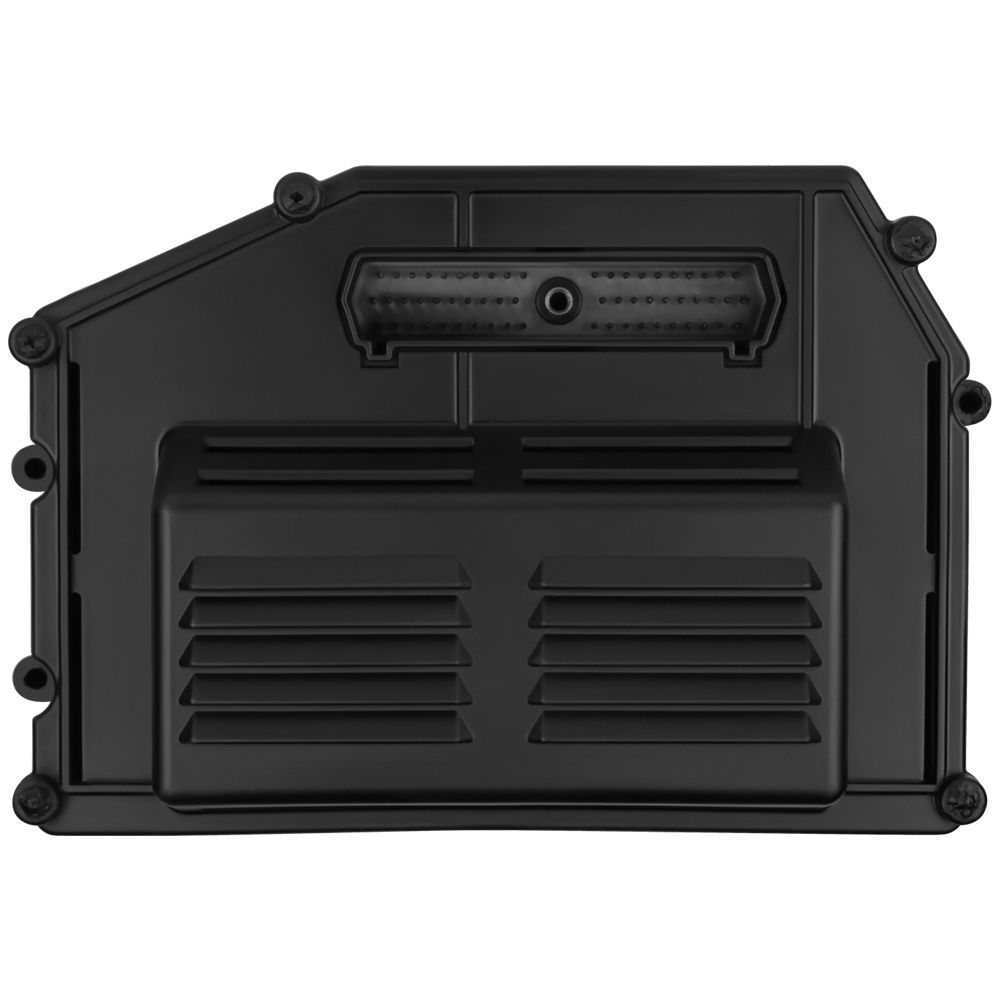
Flagship One stocks a refurbished, VIN-programmed PCM for the 1992 Plymouth Voyager with a lifetime warranty, free shipping and no core charge. The full Plymouth Voyager module lineup covers other engine configurations as well.
If your 1992 Plymouth Voyager is experiencing no‑start, stalling, or shift issues, the ECM or PCM may be the root cause. Consider a Flagship One replacement to simplify installation and programming, and keep your Voyager running smoothly.