
Last updated on August 25th, 2026 at 12:26 pm
The engine control module (ECM) in your 1991 Toyota Celica manages fuel delivery, ignition timing, and emissions systems. Failure may cause hard starting, stalling, or poor performance, often due to internal corrosion or voltage spikes.
If your 1991 Toyota Celica is experiencing hard starts, stalling, or unexplained performance issues, the engine control module (ECM) may be at fault. This critical component oversees fuel injection, ignition timing, and emissions controls, ensuring smooth operation. When it fails, symptoms can range from subtle drivability problems to a complete no-start condition. Understanding how the ECM functions, where it’s located, and what replacement involves can help you make informed decisions about repairs. Whether you’re diagnosing an issue or preparing for a replacement, knowing the labor times and programming requirements will save time and avoid surprises.
1991 Toyota Celica
OEM programmed ECM for your 1991 Toyota Celica — plug & play, no dealer visit.
Free shipping · Lifetime warranty
In your 1991 Toyota Celica, the engine control module (ECM) acts as the brain of the engine management system. It processes inputs from sensors to regulate fuel delivery, ignition timing, and idle speed, ensuring optimal performance and emissions compliance. A faulty ECM may disrupt these functions, leading to poor drivability or even a vehicle that won’t start. Replacement isn’t just about swapping hardware—it also involves ensuring the new unit communicates correctly with the rest of the system. For this vehicle, replacement engine computers for the Celica are designed to match the original specifications, but proper installation and programming are key to restoring reliable operation.
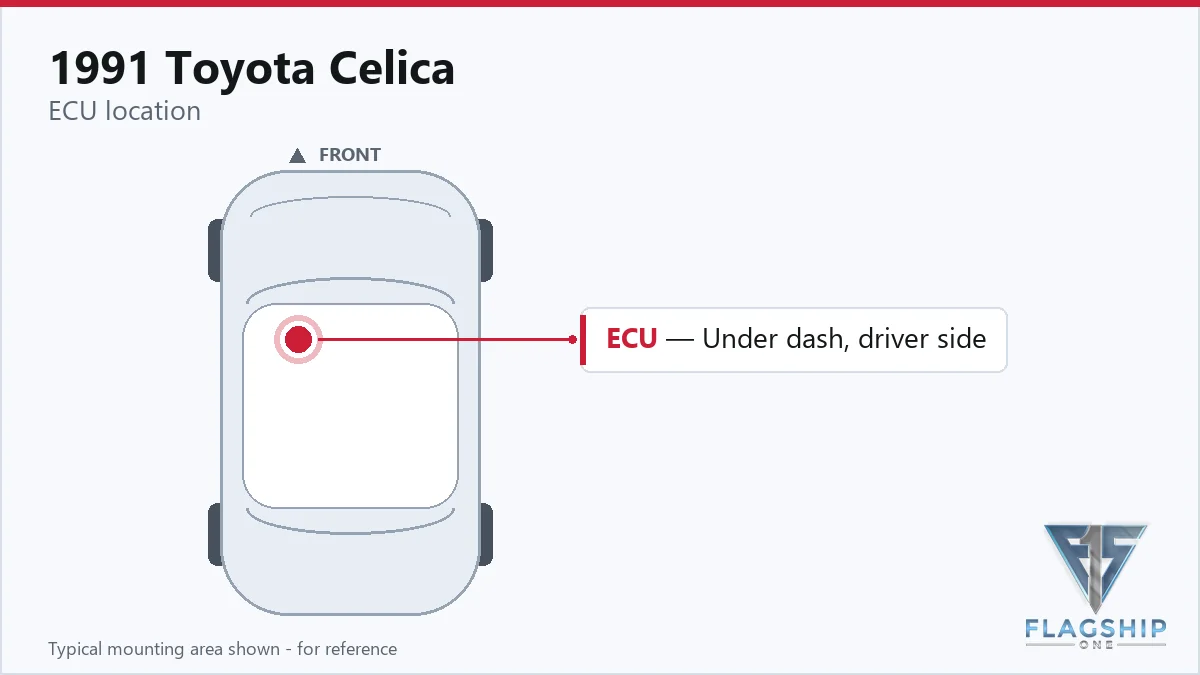
The ECM in your 1991 Toyota Celica is mounted behind the instrument panel, requiring removal of the dashboard trim for access. Replacing the module involves disconnecting the wiring harness, removing the old unit, and installing the new one. Labor time for this procedure is typically 1.4 hours, as the process includes careful handling of electrical connections to avoid damage. Once installed, the module must be relearned to the vehicle’s systems, which adds another 0.5 hours of labor. The location makes replacement straightforward but requires patience to avoid breaking plastic clips or misrouting wires during reassembly.
| Operation | Configuration | Book Time |
|---|---|---|
| Engine Control Module Relearn | All configurations | 0.5 hr |
| Engine Control Module R&R | All configurations | 1.4 hr |
| Powertrain Control Module R&R | All configurations | 1.5 hr |
| Powertrain Control Module Relearn | All configurations | 0.5 hr |
After installing a new ECM in your 1991 Toyota Celica, the factory procedure requires a relearn process to synchronize the module with the vehicle’s sensors and systems. This typically takes 0.5 hours and ensures proper communication between the ECM and the engine. However, a VIN-programmed replacement unit from Flagship One arrives pre-configured for your vehicle, eliminating the need for additional programming steps. This saves time and reduces the risk of errors during the relearn process, allowing you to get back on the road faster.
A failing ECM in your 1991 Toyota Celica may cause a variety of symptoms, including intermittent stalling, hard starting, or a complete no-crank condition. You might also notice poor fuel economy, rough idle, or the engine running too rich or too lean. In some cases, the vehicle may enter a limp-home mode, limiting performance to prevent further damage. If the ECM loses communication with the scan tool, it could indicate an internal failure. For example, a fault like internal control module memory checksum error may trigger the check engine light and require module replacement to resolve.
Stalling after an ECM replacement may indicate a failed relearn procedure or a mismatch between the module and the vehicle’s systems. Ensure the new ECM is properly programmed for your Celica, and follow the factory relearn steps if required. A VIN-programmed unit can help avoid this issue.
While the ECM is accessible behind the instrument panel, replacement requires careful handling of electrical connections and may involve dashboard disassembly. If you’re comfortable with basic mechanical work, it’s doable, but professional installation ensures proper programming and avoids potential damage.
Common signs include no-start conditions, stalling, poor performance, or the check engine light illuminating. A scan tool can help retrieve trouble codes, but if the ECM isn’t communicating, replacement may be necessary. Testing voltage at the ECM connector can also help confirm a failure.
If your 1991 Toyota Celica’s ECM has failed, you have options for repair or replacement. While a refurbished unit can restore functionality, a new VIN-programmed module ensures compatibility and eliminates the need for additional programming. Given the labor involved in replacement, choosing a pre-programmed unit can save time and reduce the risk of post-installation issues.
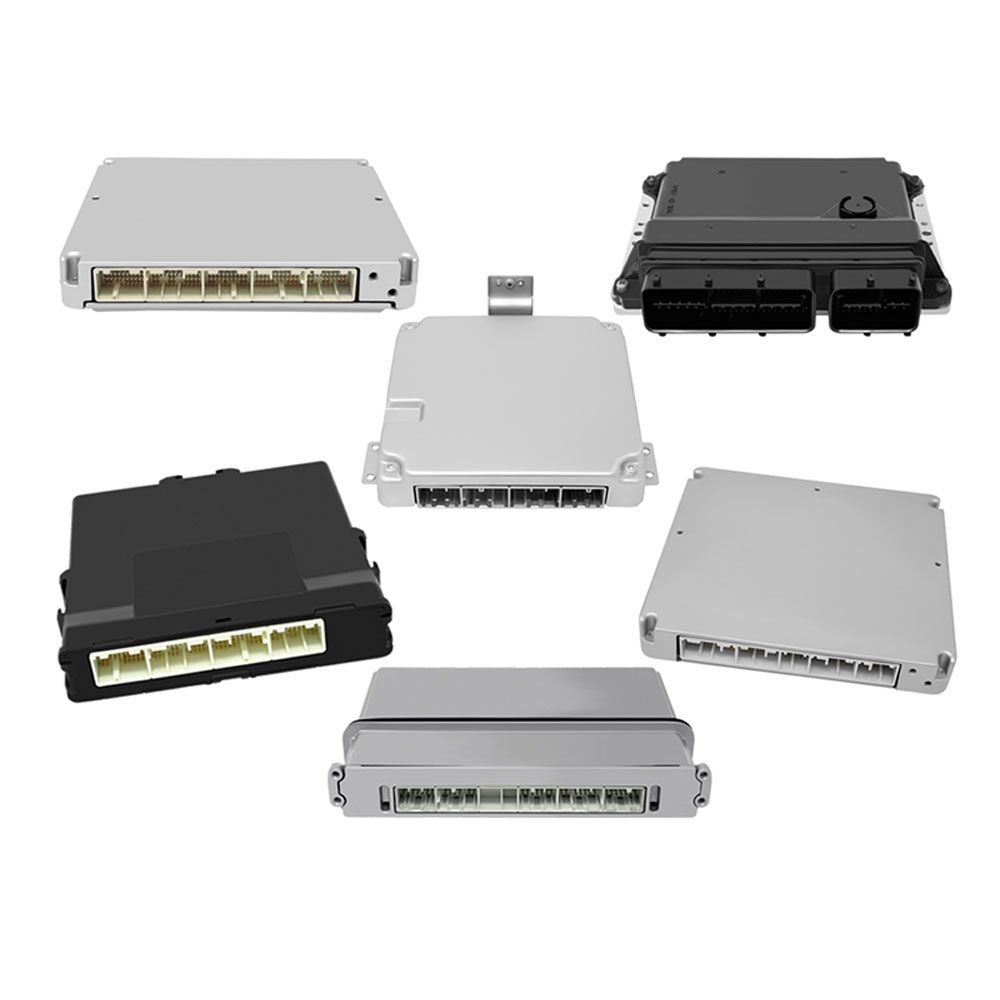
Flagship One stocks a refurbished, VIN-programmed PCM for the 1991 Toyota Celica with a lifetime warranty, free shipping and no core charge. The full Toyota Celica module lineup covers other engine configurations as well.
The ECM in your 1991 Toyota Celica plays a critical role in engine performance and drivability. If you’re experiencing symptoms like stalling or hard starting, a replacement may be necessary. With the right unit and proper installation, you can restore reliable operation and avoid further headaches. Consider a VIN-programmed module to simplify the process and get back on the road sooner.