
Last updated on August 25th, 2026 at 12:29 pm
In the 2005 Pontiac Aztek, the powertrain and engine control modules manage engine timing, fuel delivery, transmission shifting, and diagnostic communication. Failure typically stems from internal circuitry loss, causing loss of powertrain control and diagnostic codes.
When a 2005 Pontiac Aztek experiences powertrain glitches, the ECM or PCM may need replacement. This guide explains where the module lives, what labor is involved, and what post‑install steps are required. You will learn how to avoid common pitfalls and understand the factory cautions that keep the new unit functioning correctly.
The engine control module in a 2005 Pontiac Aztek processes sensor data to regulate fuel injection, ignition timing, and emission controls, while the powertrain control module coordinates transmission shift strategy and torque delivery. Both modules are essential for smooth operation and diagnostic communication, and a fault can trigger multiple error codes. Proper function ensures your vehicle meets performance and emissions standards. 2005 Pontiac Aztek replacement engine control modules are designed to match the vehicle’s original specifications.
The control modules are positioned adjacent to the air cleaner assembly, allowing access without removing major components. Removing the module typically takes about 0.9 hours, and reinstalling follows the same time estimate. The factory removal procedure specifically reaches the module in that location, and you should avoid touching the connector pins to prevent electrostatic damage. Relearn procedures for the ECM and PCM each require an additional 0.5 hours after the physical swap.
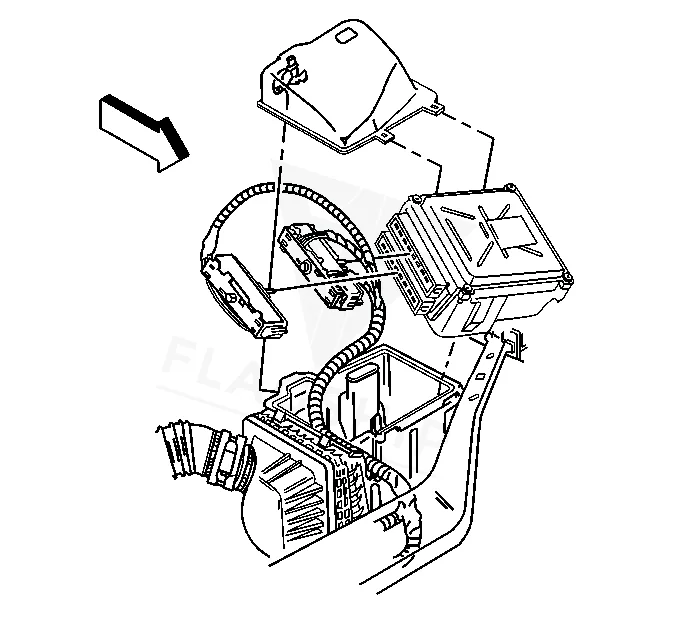
Work with the ignition off, and treat the module as static-sensitive: avoid touching the connector pins at any point.
| Operation | Configuration | Book Time |
|---|---|---|
| Engine Control Module R&R | All configurations | 0.9 hr |
| Engine Control Module Relearn | All configurations | 0.5 hr |
| Powertrain Control Module Relearn | All configurations | 0.5 hr |
| Powertrain Control Module R&R | All configurations | 0.9 hr |
2005 Pontiac Aztek
OEM programmed ECM for your 2005 Pontiac Aztek — plug & play, no dealer visit.
Free shipping · Lifetime warranty
After installing a new module, the factory process calls for a relearn of both the engine and powertrain control units, as well as programming the remaining engine oil life. Flagship One supplies a VIN-programmed replacement unit that arrives already calibrated, eliminating the need for separate programming steps and oil‑life entry.
Typical signs of a failing ECM or PCM in a 2005 Pontiac Aztek include a no‑start condition, rough idle, stalling, and transmission shift irregularities. Diagnostic scans often reveal communication loss or multiple module codes. One frequent fault is Powertrain control module internal failure, which may appear alongside other codes such as P0602 or P0603.
The following internal trouble codes have been documented for the 2005 Pontiac Aztek and may appear when the control modules malfunction:
Service bulletin #05-06-04-060, dated Sep 23, 2005, addresses shared DTCs P0601 through P0604 and P1621 across the PCM, ECM, and TCM, providing guidance on diagnosis and repair.
| Bulletin | Subject | What It Addresses |
|---|---|---|
| 05-06-04-060 | Powertrain Control Module (PCM), Engine Control Module (ECM), Transmission Control Module (ECM) | — |
The factory book time lists 0.9 hours for removal and another 0.9 hours for installation, plus 0.5 hours for each relearn procedure.
Yes, the factory requires specific programming tools and calibration data, but a VIN‑programmed unit from Flagship One eliminates that requirement.
The factory cautions against touching the connector pins because static electricity can harm the low‑voltage electronics inside the module.
When the ECM or PCM in your 2005 Pontiac Aztek fails, you can choose a repair with a refurbished unit or opt for a new, VIN‑programmed replacement. Both approaches restore module function, but a fresh unit eliminates the need for post‑install programming and ensures compliance with factory specifications.
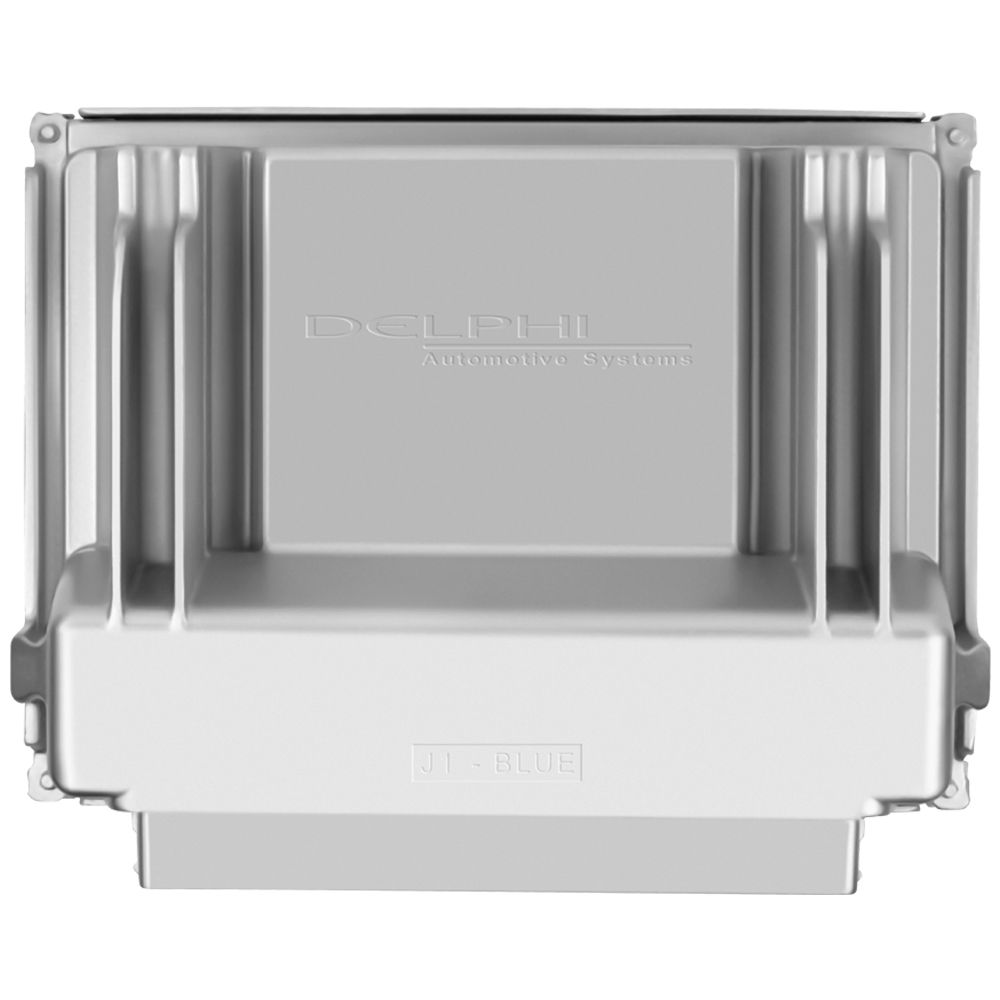
Flagship One stocks a refurbished, VIN-programmed PCM for the 2005 Pontiac Aztek with a lifetime warranty, free shipping and no core charge. The full Pontiac Aztek module lineup covers other engine configurations as well.
Replacing the ECM or PCM in a 2005 Pontiac Aztek restores engine and transmission control, eliminates error codes, and returns your vehicle to normal operation. Consider a VIN‑programmed replacement to simplify the process and avoid additional programming steps.