
Last updated on August 25th, 2026 at 12:29 pm
The Powertrain Control Module in a 2002 Pontiac Grand Am manages engine and transmission functions. A failure can disrupt fuel delivery, ignition timing, and communication with diagnostic tools, often triggering multiple fault codes and loss of driveability.
When a 2002 Pontiac Grand Am exhibits symptoms such as a no‑start condition or irregular power delivery, the Powertrain Control Module (PCM) is often a suspect. Understanding what the PCM does, how it is accessed, and what programming steps are required can help you decide whether to repair or replace it. This guide walks you through the module’s role, typical labor times, and the precautions needed to achieve a reliable fix.
In the 2002 Pontiac Grand Am, the Powertrain Control Module controls engine timing, fuel injection, and transmission shifting, translating sensor data into actionable commands. Its proper operation is essential for meeting emissions standards and delivering smooth performance. The PCM also stores diagnostic information that technicians use to troubleshoot issues. Replacing a faulty unit often involves installing a replacement PCM for Grand Am that matches the vehicle’s specifications.
The PCM is mounted within the engine compartment, accessible after disconnecting the battery and removing the cover panel. Removal and installation each take roughly 0.9 hours according to the labor guide. Once the old unit is out, the new module is bolted in place, ensuring all connectors are seated securely before reassembly.
| Operation | Configuration | Book Time |
|---|---|---|
| Engine Control Module R&R | All configurations | 0.9 hr |
| Engine Control Module Relearn | All configurations | 0.5 hr |
| Powertrain Control Module Relearn | All configurations | 0.5 hr |
| Powertrain Control Module R&R | All configurations | 0.9 hr |
Engine computer (ECM/PCM)
OEM programmed replacements — plug & play, no dealer visit.
Find yours by year, make & model →
Free shipping · Lifetime warranty
After installing a new PCM, the factory procedure calls for a relearn of both the engine control module (0.5 hours) and the powertrain control module (0.5 hours), followed by a full module relearn (0.9 hours). Flagship One supplies a a VIN-programmed replacement unit that arrives already matched to your vehicle, so these programming steps are typically completed before delivery.
Common signs of PCM failure in this model include a complete lack of engine start, intermittent stalling, and loss of communication with scan tools. You may also see diagnostic trouble codes such as internal control module error appear during a scan, indicating internal processor issues.
The following trouble codes are documented for the 2002 Pontiac Grand Am PCM and may appear when the module is malfunctioning:
Bulletin #04-06-04-024 (Apr 7, 2004) addresses PCM communication failures with non‑Tech2 diagnostic equipment. Bulletin #03064 (Dec 17, 2003) provides a system software upgrade for OBD improvements. Bulletin #02-06-04-057 (Mar 2, 2006) outlines labor assignments for all control module reprogramming tasks.
| Bulletin | Subject | What It Addresses |
|---|---|---|
| 04-06-04-024 | Powertrain Control Module (PCM) Will Not Properly Communicate On-Board Diagnostic Freeze Frame | Some customers may comment that their vehicle’s engine is unable to be properly serviced or tested using non-TECH2® (Generic) service or test equipment. When… |
| — | System Software Upgrade – OBD System Improvements (Reprogram PCM) – (Dec 17, 2003) | — |
| 02-06-04-057 | Warranty Admin. – Labor Operation Assignments for All Control Module Reprogramming – (Mar 2, 20 | — |
The replacement process involves standard labor steps, but factory cautions require that programming be performed only under a service bulletin or approved procedure. If you lack the proper software, a professional installation is advisable.
Relearn allows the new module to synchronize with engine sensors and transmission parameters, ensuring accurate fuel delivery and shift timing after installation.
Flagship One units arrive pre‑programmed to match the vehicle’s VIN, which typically removes the requirement for on‑site reprogramming, though a relearn may still be recommended.
When the PCM in a 2002 Pontiac Grand Am needs attention, you can choose a repair using a refurbished unit or opt for a brand‑new replacement that matches the original specifications. Both approaches aim to restore reliable engine and transmission control, but a VIN‑programmed replacement may reduce the amount of post‑install work required.
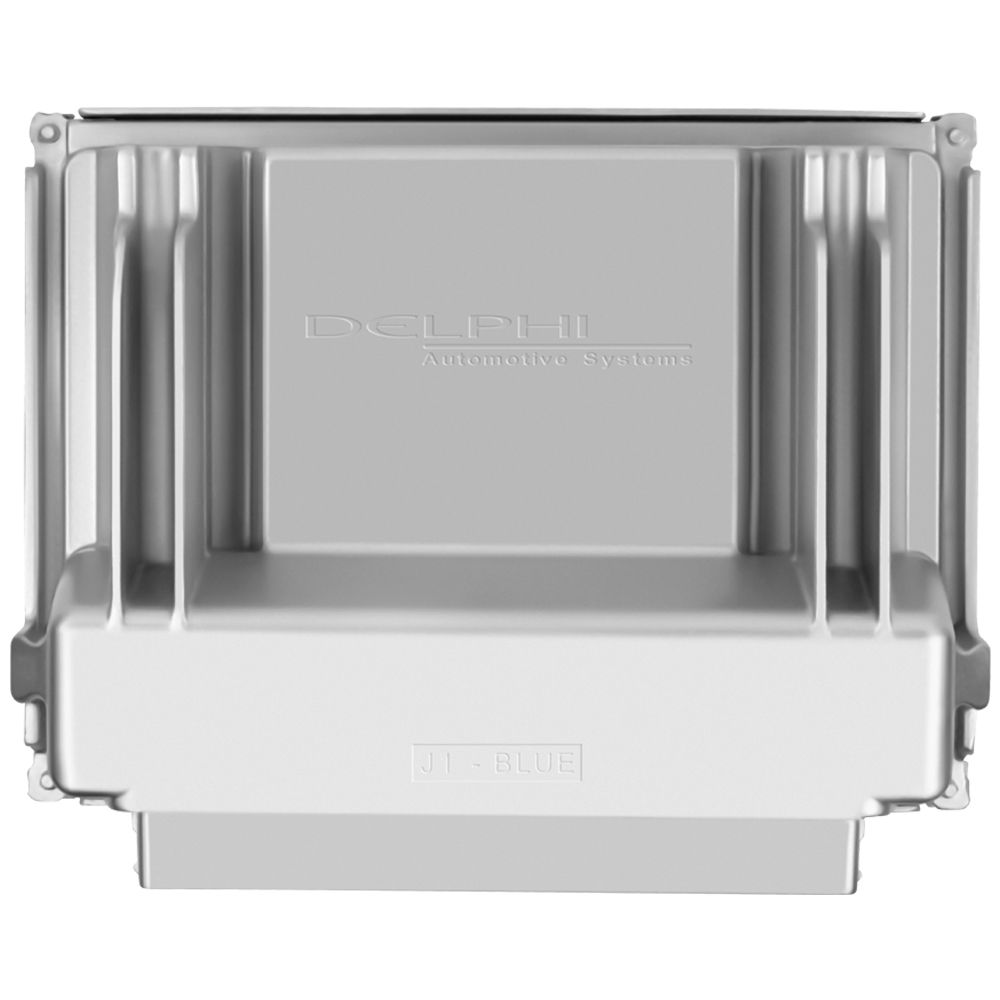
Flagship One stocks a refurbished, VIN-programmed PCM for the 2002 Pontiac Grand Am with a lifetime warranty, free shipping and no core charge. The full Pontiac Grand Am module lineup covers other engine configurations as well.
For owners of a 2002 Pontiac Grand Am, addressing PCM issues promptly can restore vehicle performance and diagnostic capability. Consider a properly programmed replacement to minimize downtime and ensure long‑term reliability.