
Last updated on August 25th, 2026 at 12:29 pm
The Powertrain Control Module (PCM) in your 2003 Pontiac Grand Am manages engine and transmission functions. Internal faults may cause erratic shifting, no-start conditions, or stored trouble codes related to memory or communication errors.
If your 2003 Pontiac Grand Am is experiencing rough idling, stalling, or transmission shifting problems, the Powertrain Control Module (PCM) may be at fault. This critical component oversees engine performance and transmission behavior, and its failure can lead to a range of drivability issues. Understanding the role of the PCM, how to replace it safely, and what steps are needed afterward can help you restore your vehicle’s reliability. Whether you’re diagnosing a no-start condition or addressing stored trouble codes, knowing the proper procedures ensures a smoother repair process.
The PCM in your 2003 Pontiac Grand Am acts as the brain for both the engine and automatic transmission. It monitors sensor inputs, adjusts fuel delivery, controls ignition timing, and manages shift points to optimize performance and efficiency. When the PCM malfunctions, you may notice symptoms like poor acceleration, erratic shifting, or even a complete failure to start. Replacing it involves either installing a new unit or reprogramming the existing one, though replacement engine computers for the Grand Am are often the most straightforward solution for internal faults or irreparable damage.
The PCM in the 2003 Pontiac Grand Am is typically located near the engine bay, though exact positioning may vary. Replacing it involves disconnecting the negative battery cable first to prevent electrical issues. The factory labor time for removal and reinstallation is 0.9 hours. After disconnecting the PCM connector, you’ll need to carefully remove the module, ensuring the ignition remains off to avoid internal damage. Once the new unit is installed, reconnecting the battery and performing a relearn procedure, which takes an additional 0.5 hours, is required to restore proper function.
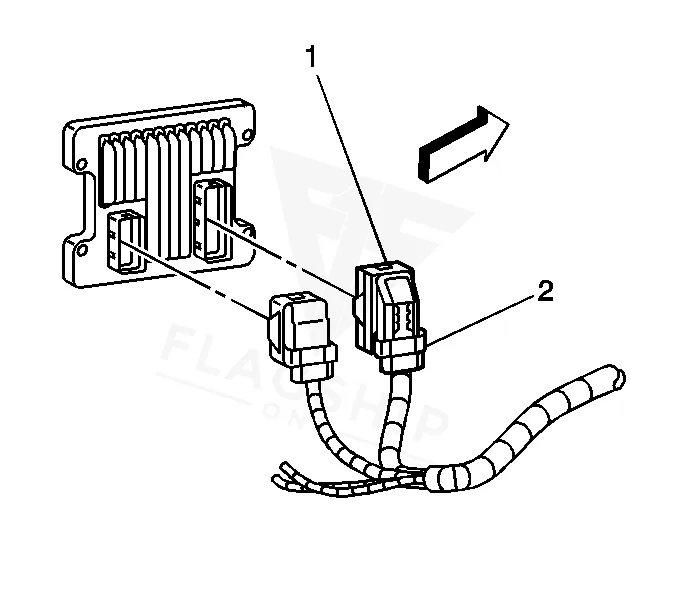
Work with the ignition off, and treat the module as static-sensitive: avoid touching the connector pins at any point.
| Operation | Configuration | Book Time |
|---|---|---|
| Engine Control Module R&R | All configurations | 0.9 hr |
| Engine Control Module Relearn | All configurations | 0.5 hr |
| Powertrain Control Module Relearn | All configurations | 0.5 hr |
| Powertrain Control Module R&R | All configurations | 0.9 hr |
2003 Pontiac Grand Am
OEM programmed ECM for your 2003 Pontiac Grand Am — plug & play, no dealer visit.
Free shipping · Lifetime warranty
After replacing the PCM in your 2003 Pontiac Grand Am, the factory procedure requires a relearn process to synchronize the module with the vehicle’s systems. This includes programming the remaining engine oil life to prevent it from defaulting to 100%. However, a VIN-programmed replacement unit arrives pre-configured, eliminating the need for these additional steps. This ensures your vehicle’s systems recognize the new module immediately, reducing the risk of drivability issues or incorrect oil life readings after installation.
A failing PCM in your 2003 Pontiac Grand Am may cause a variety of symptoms, including stalling, rough idling, or transmission shifting problems. You might also experience a no-start condition or notice the Service Engine Soon light illuminating. Common trouble codes associated with PCM failure include internal control module memory checksum error, which indicates a fault in the module’s memory. Other signs may include poor fuel economy, misfires, or communication errors that prevent a scan tool from accessing data. If these issues arise, the PCM may need replacement or reprogramming to restore proper function.
The 2003 Pontiac Grand Am may store specific trouble codes when the PCM experiences internal faults. These codes often point to memory errors, communication issues, or sensor-related malfunctions that disrupt engine or transmission performance.
Factory service bulletins for the 2003 Pontiac Grand Am address PCM-related issues, including shifting problems and stored trouble codes. Bulletin #03064 recommends a system software upgrade to improve OBD system performance. Another bulletin, #03-07-30-021 (and its update, #03-07-30-021A), covers neutral or RPM flare while in drive, a lack of 1-2 upshifts, and the illumination of the Service Engine Soon light, often accompanied by codes P1810 or P1815. These bulletins suggest reprogramming the PCM as a potential solution for these conditions.
| Bulletin | Subject | What It Addresses |
|---|---|---|
| — | System Software Upgrade – OBD System Improvements (Reprogram PCM) – (Dec 17, 2003) | — |
| 03-07-30-021 | Neutral Flare and/or RPM Flare While In Drive, No 1-2 Upshift, Service Engine Soon (SES) Light | Some customers may comment on a neutral flare and/or RPM increase while in drive or no 1–2 upshift and/or the Service Engine Soon (SES) telltale may be… |
| 02-06-04-057 | Warranty Admin. – Labor Operation Assignments for All Control Module Reprogramming – (Mar 2, 20 | — |
Common signs include stalling, rough idling, transmission shifting issues, or a no-start condition. You may also see the Service Engine Soon light or experience poor fuel economy. Stored trouble codes like P0601 or P1810 often indicate PCM-related faults.
Yes, the factory requires a relearn procedure after replacement to synchronize the module with the vehicle’s systems. This includes programming the remaining engine oil life. However, a pre-programmed replacement unit eliminates this step.
Replacement typically takes 0.9 hours of labor, with an additional 0.5 hours for the relearn procedure. Proper precautions, like disconnecting the battery and ensuring the ignition is off, are necessary to avoid damage.
If your 2003 Pontiac Grand Am is experiencing PCM-related issues, you have options for repair or replacement. Reprogramming the existing module may resolve software-related faults, but internal damage often requires a new unit. A VIN-programmed replacement ensures compatibility and eliminates the need for post-installation programming, making the process more efficient.
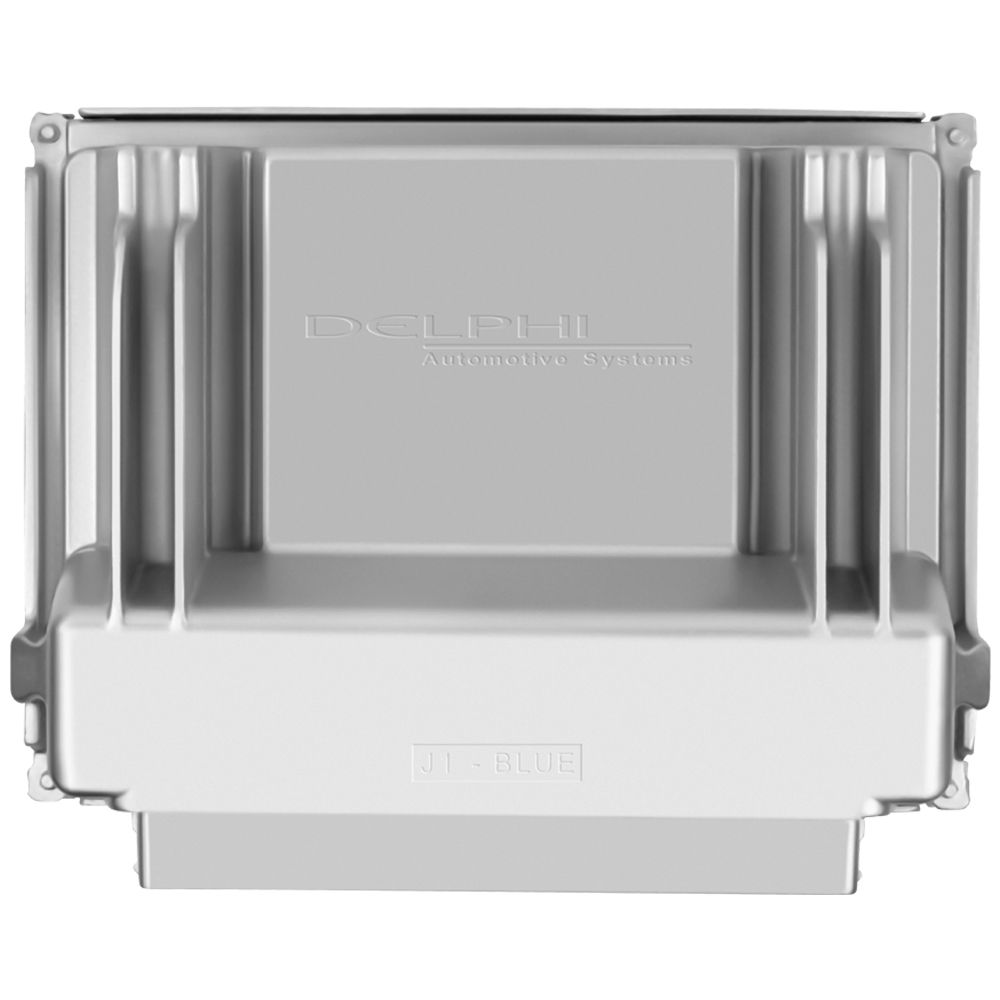
Flagship One stocks a refurbished, VIN-programmed PCM for the 2003 Pontiac Grand Am with a lifetime warranty, free shipping and no core charge. The full Pontiac Grand Am module lineup covers other engine configurations as well.
The PCM in your 2003 Pontiac Grand Am plays a critical role in engine and transmission performance. If you’re dealing with stalling, shifting issues, or stored trouble codes, addressing the PCM promptly can restore reliability. Whether you opt for reprogramming or replacement, following factory procedures ensures a successful repair.