
Last updated on August 25th, 2026 at 12:32 pm
The Powertrain Control Module in your 1996 Oldsmobile Eighty Eight serves as the central computer managing engine fuel delivery, ignition timing, and transmission shifting. When internal circuitry fails, the module loses the ability to process sensor data and control actuators, often triggering multiple fault codes without external symptoms.
When your 1996 Oldsmobile Eighty Eight develops drivability problems that resist conventional diagnosis, the Powertrain Control Module often warrants closer inspection. This module serves as the primary computer for both your engine and transmission, processing data from numerous sensors and commanding actuators accordingly. Module failures may manifest as intermittent stalling, failure to start, or erratic transmission behavior. This guide explains how the PCM operates in your specific vehicle, what symptoms suggest internal failure, and what the replacement process involves. Understanding these details helps you evaluate repair options and make informed decisions about addressing the problem.
The Powertrain Control Module in your 1996 Oldsmobile Eighty Eight functions as the central nervous system for your vehicle’s engine and transmission. It receives data from the mass air flow sensor, throttle position sensor, oxygen sensors, and numerous other inputs, then calculates optimal fuel delivery, ignition timing, and transmission shift points. This processing happens continuously while you drive, adjusting to changing conditions hundreds of times per second. replacement engine computers for the Eighty Eight are designed to match the exact specifications of your 3.8L powertrain. When internal circuitry degrades from heat cycling, voltage spikes, or manufacturing defects, the module loses its ability to store calibration data or process inputs correctly. This degradation often produces multiple seemingly unrelated fault codes covering memory checks, communication bus issues, and subsystem failures.
1996 Oldsmobile Eighty Eight
OEM programmed ECM for your 1996 Oldsmobile Eighty Eight — plug & play, no dealer visit.
Free shipping · Lifetime warranty
The factory service information specifies removal and replacement times for the module itself. Engine Control Module replacement requires approximately 1.1 hours of labor, while the related Powertrain Control Module replacement takes roughly 1.0 hour. These times cover removing the existing unit and installing the new component. The procedure involves disconnecting electrical connectors, removing mounting fasteners, and transferring any brackets or shields. After installation, the new module must undergo a relearn process to calibrate itself to your specific engine characteristics. The relearn procedure for each module type requires approximately 0.5 additional hours. The module location on your Eighty Eight may be behind the passenger compartment fuse panel or in the engine compartment depending on production variations.
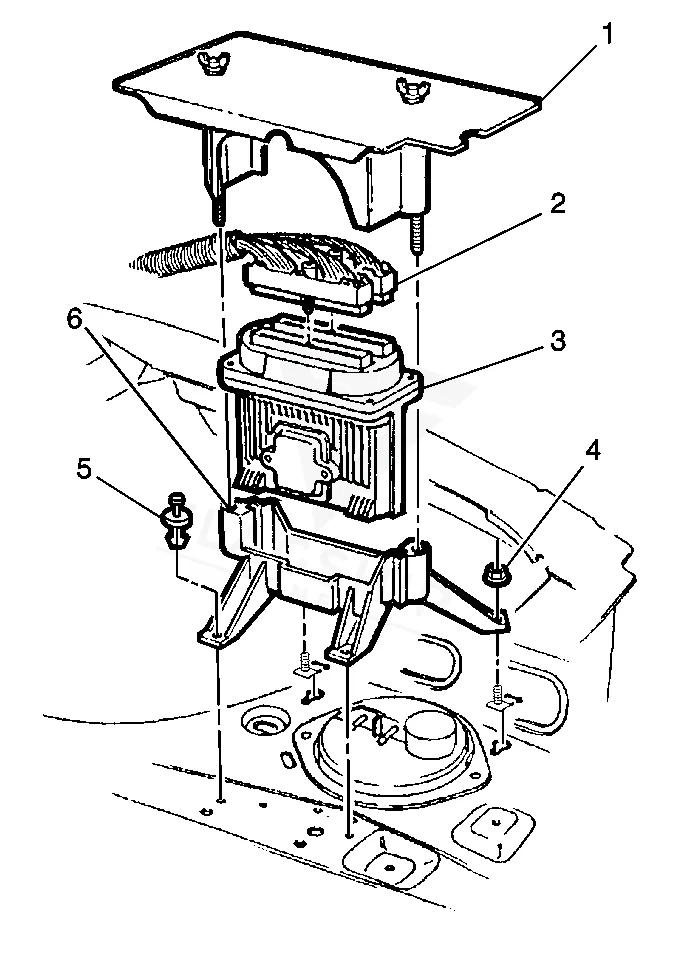
Work with the ignition off, and treat the module as static-sensitive: avoid touching the connector pins at any point.
| Operation | Configuration | Book Time |
|---|---|---|
| Engine Control Module Relearn | All configurations | 0.5 hr |
| Engine Control Module R&R | All configurations | 1.1 hr |
| Powertrain Control Module Relearn | All configurations | 0.5 hr |
| Powertrain Control Module R&R | All configurations | 1.0 hr |
After installing a replacement Powertrain Control Module, the factory procedure requires a relearn sequence so the new unit adapts to your specific engine and transmission. This process allows the module to learn idle airflow characteristics, fuel trim values, and transmission clutch apply points unique to your vehicle. a VIN-programmed replacement unit arrives already configured with your specific vehicle identification number, eliminating the need for dealer flashing or third-party programming tools. The post-install relearn still completes automatically as you drive through various operating conditions, though some technicians recommend a specific drive cycle to accelerate the process.
When the internal circuitry of your 1996 Eighty Eight PCM fails, multiple symptoms may appear together or intermittently. A no-start condition sometimes develops despite cranking the engine normally, indicating the module has stopped commanding fuel or spark. Stalling episodes often occur at idle or during deceleration when the module fails to maintain proper air-fuel ratios. Transmission shifting may become harsh, delayed, or erratic as the module loses communication with shift solenoids. internal memory checksum error frequently indicates the module has detected corrupted data within its permanent memory. Other common symptoms include illuminated malfunction indicator lamp with no identifiable sensor fault, dead or frozen serial data communication preventing scan tool access, and multiple unrelated codes setting simultaneously across different subsystems.
The 1996 Oldsmobile Eighty Eight may accumulate numerous powertrain control module internal codes when the unit fails. These codes cover memory integrity verification, calibration memory, serial data communication, sensor reference voltages, and switch state inputs. Codes such as P0601 and P0602 specifically indicate internal memory problems, while P1626 and P1629 relate to theft deterrent communication. P1635 through P1655 address various analog-to-digital reference circuits and switch inputs. The presence of multiple codes across different categories often points toward a central module failure rather than individual sensor problems.
| Code | Meaning | Full Guide |
|---|---|---|
| P0601 | Internal memory checksum error | Full P0601 guide → |
| P0602 | Control module programming error | Full P0602 guide → |
| P1619 | Module-internal fault | — |
| P1626 | Module-internal fault | — |
| P1629 | Module-internal fault | — |
| P1635 | Module-internal fault | — |
| P1639 | Module-internal fault | — |
| P1641 | Module-internal fault | — |
| P1643 | Module-internal fault | — |
| P1645 | Module-internal fault | — |
| P1651 | Module-internal fault | — |
| P1652 | Module-internal fault | — |
Factory service bulletins relevant to the Powertrain Control Module in this era of General Motors vehicles include several documents addressing programming, connector service, and identification. Bulletin 67-65-35 from October 1996 provides information on new PCM identification labels used during production. Bulletin 83-81-32 from September 1998 introduced new PCM connector service kits for updated repair procedures. Bulletin 99-06-04-053 from October 1999 addresses PCM reprogramming procedures. These bulletins indicate the manufacturer recognized ongoing issues with module identification and configuration during this period, suggesting replacement technicians should verify part number compatibility carefully.
| Bulletin | Subject | What It Addresses |
|---|---|---|
| 99-06-04-053 | Info – PCM Reprogramming – (Oct 26, 1999) | — |
| 83-81-32 | INFO – NEW PCM CONNECTOR SERVICE KITS – (Sep 16, 1998) | — |
| 67-65-35 | INFORMATION ON NEW PCM IDENTIFICATION LABEL – (Oct 29, 1996) | — |
Multiple unrelated codes setting simultaneously across different subsystems, particularly memory and communication codes, often indicate module internal failure rather than individual sensor problems. A scan tool capable of bidirectional control testing may help isolate the issue, though professional diagnostic equipment provides more definitive results.
Used modules typically require dealer or third-party reprogramming to match your specific vehicle identification number before installation. Additional programming fees and potential calibration inconsistencies with the previous vehicle’s history may offset initial cost savings compared to a pre-programmed replacement unit.
Continued operation may result in unexpected stalling, loss of transmission shifting control, or complete engine shutdown depending on failure mode. The vehicle may enter a limited-operation mode designed to protect the engine and transmission, potentially leaving you stranded if the module fails completely.
Module failures in the 1996 Oldsmobile Eighty Eight often require replacement rather than repair due to internal circuitry sealed within the unit. Professional repair services may address certain failure types, though the specialized equipment and programming requirements typically favor complete module replacement. Pre-programmed units matching your specific vehicle identification number arrive ready for installation, eliminating post-installation programming steps. Evaluate repair versus replacement based on diagnostic findings, cost comparison, and your timeline for returning the vehicle to service.
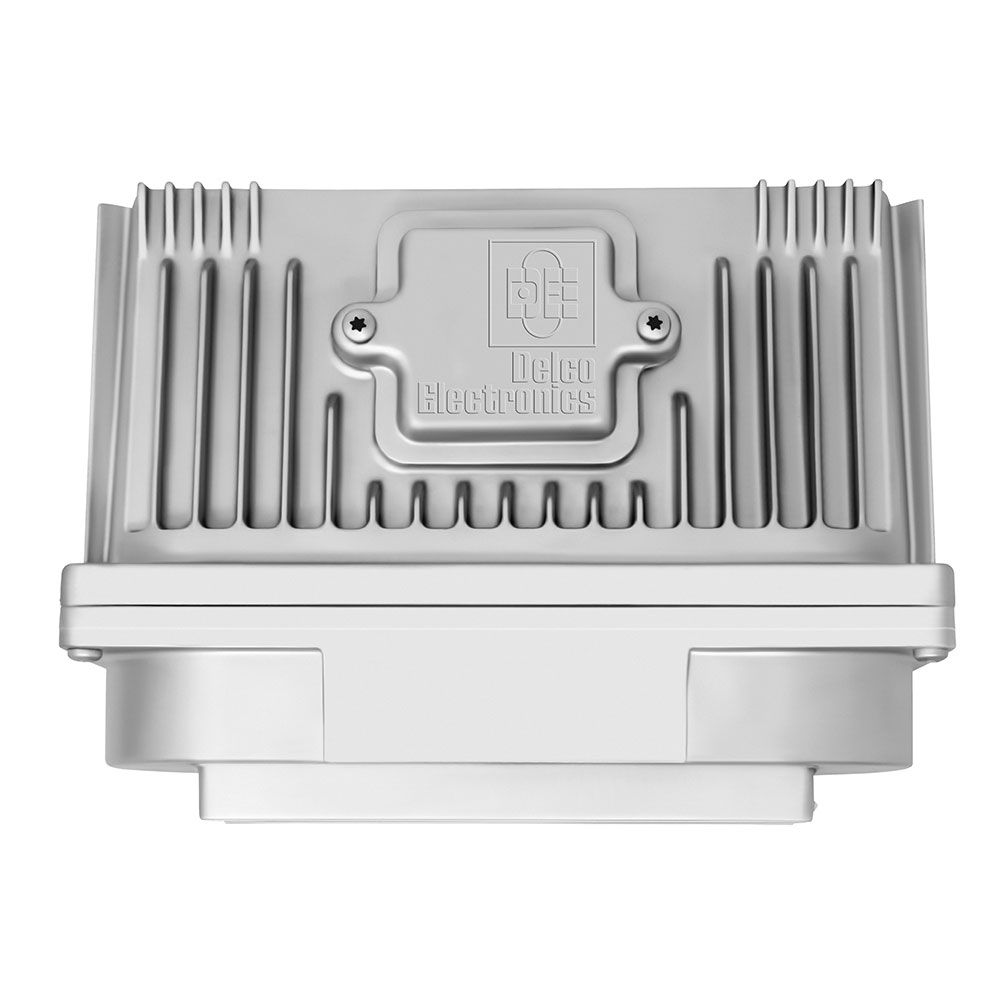
Flagship One stocks a refurbished, VIN-programmed PCM for the 1996 Oldsmobile Eighty Eight with a lifetime warranty, free shipping and no core charge. The full Oldsmobile Eighty Eight module lineup covers other engine configurations as well.
The 1996 Oldsmobile Eighty Eight Powertrain Control Module manages critical engine and transmission functions that affect every aspect of drivability. Recognizing symptoms of internal failure, understanding the replacement process, and knowing that pre-programmed options exist can streamline your repair decision. Addressing PCM problems promptly helps prevent secondary damage and gets your vehicle back to reliable operation more quickly.