
Last updated on August 25th, 2026 at 12:32 pm
The Powertrain Control Module (PCM) in the 1998 Oldsmobile Eighty Eight manages engine and transmission functions. Failure may cause erratic performance, stalling, or communication errors with diagnostic tools.
If your 1998 Oldsmobile Eighty Eight is experiencing rough idling, stalling, or unexplained performance issues, the Powertrain Control Module (PCM) may be the culprit. This critical component oversees engine and transmission functions, ensuring smooth operation. Replacing or reprogramming the PCM can resolve these problems, but the process requires careful handling to avoid damage. Understanding the steps involved—from location and removal to post-install programming—helps you make informed decisions about repairs or replacements. Properly addressing PCM issues restores your vehicle’s reliability without unnecessary guesswork.
The Powertrain Control Module in the 1998 Oldsmobile Eighty Eight acts as the brain for engine and transmission management. It regulates fuel delivery, ignition timing, and shift points to optimize performance. A failing PCM may disrupt these functions, leading to poor drivability or even a no-start condition. Because the module integrates multiple systems, its health directly impacts overall vehicle operation. When replacement becomes necessary, selecting replacement PCMs for the Eighty Eight ensures compatibility and avoids compatibility issues. Proper installation and programming are critical to restoring full functionality.
The PCM in the 1998 Oldsmobile Eighty Eight is located next to the air cleaner assembly, making it relatively accessible. Replacement begins with disconnecting the negative battery cable to prevent electrical damage. The factory procedure involves removing the module’s connectors and fasteners before installing the new unit. Labor estimates for removal and reinstallation (R&R) typically range around 1.0 to 1.1 hours, depending on the specific module. After installation, a relearn procedure of 0.5 hours is required to synchronize the module with the vehicle’s systems. Avoid touching connector pins or circuit board components to prevent electrostatic damage.
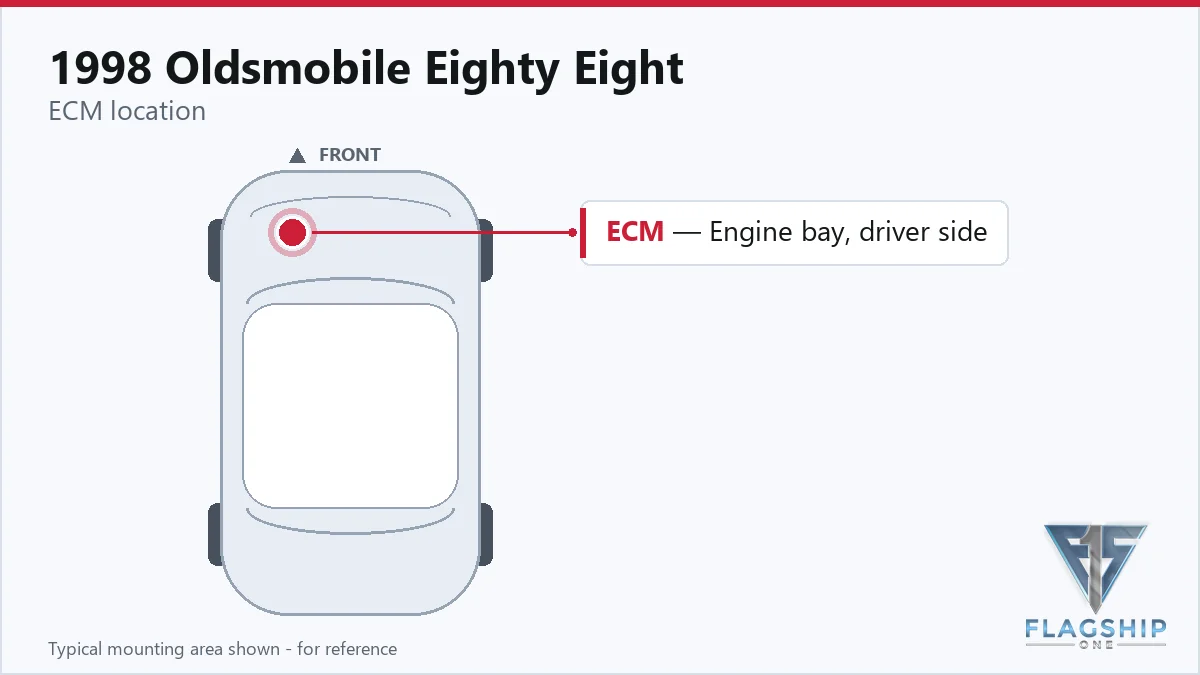
Work with the ignition off, and treat the module as static-sensitive: avoid touching the connector pins at any point.
| Operation | Configuration | Book Time |
|---|---|---|
| Engine Control Module Relearn | All configurations | 0.5 hr |
| Engine Control Module R&R | All configurations | 1.1 hr |
| Powertrain Control Module Relearn | All configurations | 0.5 hr |
| Powertrain Control Module R&R | All configurations | 1.0 hr |
1998 Oldsmobile Eighty Eight
OEM programmed ECM for your 1998 Oldsmobile Eighty Eight — plug & play, no dealer visit.
Free shipping · Lifetime warranty
After replacing the PCM in a 1998 Oldsmobile Eighty Eight, the factory procedure requires a relearn process to ensure proper operation. This includes programming the remaining engine oil life, which defaults to 100% if not recorded. Using a VIN-programmed replacement unit eliminates the need for these steps, as the module arrives ready for installation. This saves time and reduces the risk of programming errors, allowing your vehicle to return to normal operation more quickly.
A failing PCM in the 1998 Oldsmobile Eighty Eight may cause a range of symptoms, including stalling, rough idling, or a noticeable shudder when accelerating after stopping. Some owners report difficulty starting the vehicle or erratic transmission shifting. Diagnostic trouble codes like internal control module memory check sum error may appear, indicating a potential module failure. If your scan tool fails to communicate with the PCM, the module itself may be the issue. Addressing these symptoms promptly helps prevent further drivability problems.
The 1998 Oldsmobile Eighty Eight’s PCM may store specific trouble codes when internal faults occur. These codes help diagnose issues related to the module’s operation or communication with other systems.
| Code | Meaning | Full Guide |
|---|---|---|
| P0601 | Internal memory checksum error | Full P0601 guide → |
| P0602 | Control module programming error | Full P0602 guide → |
| P1619 | Module-internal fault | — |
| P1626 | Module-internal fault | — |
| P1629 | Module-internal fault | — |
| P1635 | Module-internal fault | — |
| P1639 | Module-internal fault | — |
| P1641 | Module-internal fault | — |
| P1646 | Module-internal fault | — |
| P1651 | Module-internal fault | — |
| P1652 | Module-internal fault | — |
| P1662 | Module-internal fault | — |
Factory service bulletins for the 1998 Oldsmobile Eighty Eight address PCM-related concerns. Bulletin #99-06-04-053 provides reprogramming information to resolve drivability issues. Another bulletin, #99-07-30-007, targets vehicle shudder during throttle reapplication after stopping, recommending a PCM reprogram as the fix. Additionally, bulletin #83-81-32 introduces updated PCM connector service kits to improve reliability. These bulletins highlight common issues and factory-recommended solutions for maintaining optimal performance.
| Bulletin | Subject | What It Addresses |
|---|---|---|
| 99-06-04-053 | Info – PCM Reprogramming – (Oct 26, 1999) | — |
| 99-07-30-007 | Vehicle Shudder When Reapplying Throttle After Stopping (Reprogram PCM) – (Apr 20, 1999) | Some owners may comment about a vehicle shudder after slowing for a stop and reapplying the throttle at greater than 50 |
| 83-81-32 | INFO – NEW PCM CONNECTOR SERVICE KITS – (Sep 16, 1998) | — |
Common signs include stalling, shuddering during acceleration, or a no-start condition. If your scan tool cannot communicate with the PCM or stores module-specific trouble codes, replacement may be necessary. A professional diagnosis can confirm the issue.
Replacement is possible if you’re comfortable with basic mechanical and electrical work. The module is located near the air cleaner, and the process involves disconnecting the battery and handling connectors carefully. However, programming may require professional tools.
Without reprogramming, the PCM may not function correctly, leading to drivability issues like poor shifting or stalling. The engine oil life may also default to 100%, potentially delaying necessary maintenance. Using a pre-programmed unit avoids these complications.
If your 1998 Oldsmobile Eighty Eight is experiencing PCM-related issues, you have options for repair or replacement. A refurbished module can restore functionality while saving time and cost compared to a new unit. Given the vehicle’s age, ensuring the replacement is properly programmed to your VIN is critical for seamless operation. Weighing these factors helps you choose the best solution for your needs.
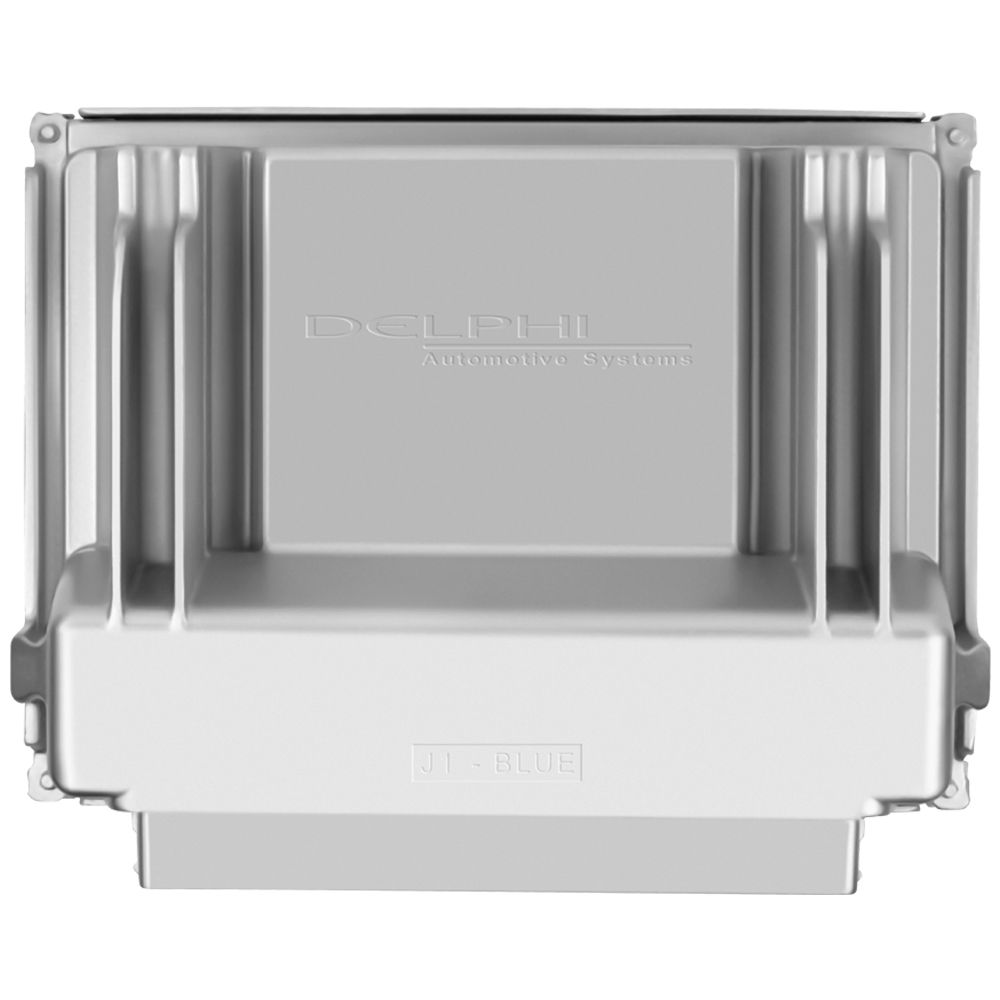
Flagship One stocks a refurbished, VIN-programmed PCM for the 1998 Oldsmobile Eighty Eight with a lifetime warranty, free shipping and no core charge. The full Oldsmobile Eighty Eight module lineup covers other engine configurations as well.
The 1998 Oldsmobile Eighty Eight relies on its PCM for smooth engine and transmission performance. Addressing module issues promptly—whether through reprogramming or replacement—ensures your vehicle remains reliable. With the right approach, you can restore full functionality and avoid unnecessary downtime.