
Last updated on August 25th, 2026 at 12:44 pm
The Powertrain Control Module (PCM) in your 1991 Lincoln Continental manages engine and transmission functions by processing sensor data. Failures may cause drivability issues, poor performance, or diagnostic trouble codes related to internal memory or communication errors.
If your 1991 Lincoln Continental is experiencing unexplained stalling, rough idling, or failure to start, the Powertrain Control Module (PCM) may be the culprit. This critical component acts as the brain of your vehicle’s engine and transmission systems, coordinating everything from fuel delivery to shift timing. Replacing or servicing the PCM can restore proper function, but understanding the process—including labor times and programming requirements—helps you make informed decisions. This guide covers what the PCM does, where it’s located, and what to expect during replacement, so you can address issues efficiently and avoid unnecessary delays.
In your 1991 Lincoln Continental, the Powertrain Control Module (PCM) integrates engine and transmission control into a single unit. It processes data from sensors to manage fuel injection, ignition timing, and shift points, ensuring optimal performance and efficiency. A failing PCM may disrupt these functions, leading to poor drivability or even a no-start condition. When replacement is necessary, replacement engine computers for the Lincoln Continental are available to restore factory-level operation without the need for extensive reprogramming.
The PCM in your 1991 Lincoln Continental is typically mounted in the engine bay, often near the firewall or fender well. Accessing it may require removing a protective cover or disconnecting nearby components. Replacing the Engine Control Module (ECM) involves 0.9 hours of labor, while swapping the Powertrain Control Module (PCM) typically takes 0.6 hours. After installation, the module’s electrical connectors must be securely fastened to prevent intermittent issues. No specialized tools are required beyond basic hand tools, but proper torque on mounting bolts is recommended to avoid vibration-related faults.
| Operation | Configuration | Book Time |
|---|---|---|
| Engine Control Module R&R | All configurations | 0.9 hr |
| Powertrain Control Module Relearn | All configurations | 0.5 hr |
| Powertrain Control Module R&R | All configurations | 0.6 hr |
1991 Lincoln Continental 3.8L:
OEM programmed replacements — plug & play, no dealer visit.
Find yours by year, make & model →
Free shipping · Lifetime warranty
After replacing the PCM in your 1991 Lincoln Continental, the factory procedure requires a 0.5-hour relearn process to synchronize the module with the vehicle’s systems. This step ensures proper communication with sensors and actuators. However, a VIN-programmed replacement unit arrives pre-configured, eliminating the need for this additional labor and reducing downtime. Simply install the module, connect the battery, and start the vehicle—no further programming is typically required.
A failing PCM in your 1991 Lincoln Continental may cause a range of symptoms, including intermittent stalling, rough idling, or a complete no-start condition. You might also notice erratic transmission shifting or warning lights on the dashboard. Diagnostic trouble codes like internal control module memory checksum error often appear when the module’s memory or processing functions are compromised. If your scan tool fails to communicate with the PCM, that’s another strong indicator of a potential failure. Addressing these issues promptly can prevent further drivability problems.
The 1991 Lincoln Continental’s PCM may log specific trouble codes when internal faults occur. These codes help diagnose issues related to memory, communication, or sensor processing within the module itself.
Factory service bulletin #93-12-09 addresses issues with digital electronic odometers and programmable speedometer/odometer modules in the 1991 Lincoln Continental. The bulletin outlines service replacement procedures for these components, including pre-setting vehicle mileage to ensure accurate readings. While not directly related to the PCM, this bulletin highlights the importance of proper module programming and calibration in maintaining accurate instrument cluster functionality.
| Bulletin | Subject | What It Addresses |
|---|---|---|
| 93-12-09 | DIGITAL ELECTRONIC ODOMETERS – ELECTRONIC INSTRUMENT CLUSTERS, PROGRAMMABLE SPEEDOMETER/ODOMETE | — |
Common signs include stalling, rough idling, or a no-start condition. You may also see warning lights or diagnostic trouble codes like P0601 or P0603. If your scan tool can’t communicate with the PCM, that’s another strong indicator of a potential issue.
Replacement is possible if you have basic mechanical skills and tools. The module is typically located in the engine bay, and labor times range from 0.6 to 0.9 hours. However, a factory relearn procedure may be required unless you use a pre-programmed unit.
In this vehicle, the terms are often used interchangeably, but the PCM generally refers to the combined engine and transmission control module. The ECM may specifically denote the engine control portion, though both serve similar functions in managing drivability and performance.
If your 1991 Lincoln Continental is exhibiting PCM-related issues, you have options for repair or replacement. A refurbished or new module can restore proper function, especially if it arrives pre-programmed to your vehicle’s VIN. This eliminates the need for additional relearn procedures and reduces downtime. Consider the labor involved and whether a pre-configured unit aligns with your needs for a smooth, hassle-free solution.
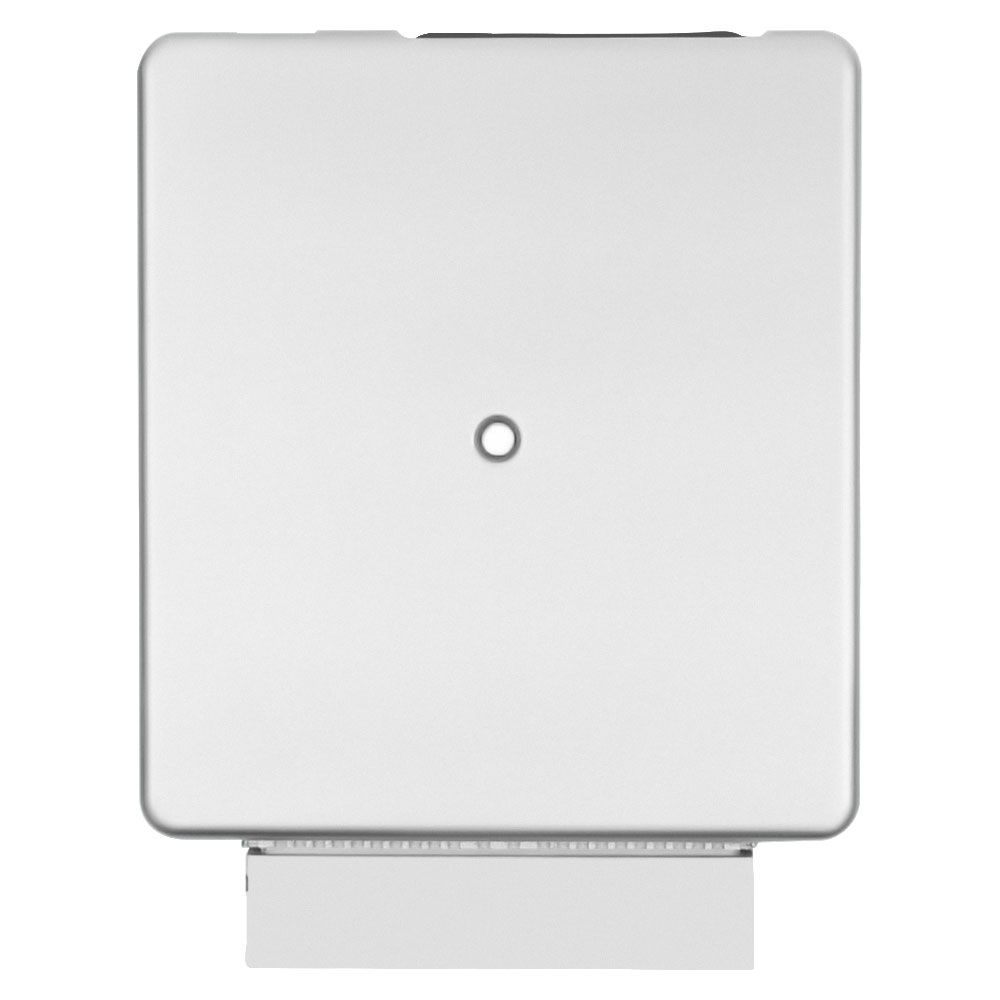
Flagship One stocks a refurbished, VIN-programmed PCM for the 1991 Lincoln Continental with a lifetime warranty, free shipping and no core charge. The full Lincoln Continental module lineup covers other engine configurations as well.
The 1991 Lincoln Continental relies on its PCM to manage critical engine and transmission functions. If you’re experiencing drivability issues or diagnostic trouble codes, addressing the module promptly can prevent further complications. Whether you opt for a repair or a pre-programmed replacement, understanding the process ensures a smoother resolution and keeps your vehicle running reliably.