
Last updated on August 25th, 2026 at 12:13 pm
The Powertrain Control Module (PCM) in your 1992 Lincoln Continental manages fuel delivery, ignition timing, and transmission shifts. When it fails, the engine may stall, misfire, or refuse to start, often storing internal memory codes that pinpoint the issue.
If your 1992 Lincoln Continental has been acting up—stalling at stoplights, refusing to start, or shifting unpredictably—the problem may lie with the Powertrain Control Module (PCM). This small but critical computer manages everything from fuel injection to transmission behavior, and when it fails, the symptoms can be frustratingly inconsistent. Unlike mechanical issues, a faulty PCM often leaves no physical trace, instead triggering diagnostic trouble codes that point to internal memory or communication faults. Replacing it isn’t just about swapping a part; the module must be programmed to your vehicle’s VIN to avoid additional calibration steps. Understanding the role of the PCM, where it’s located, and what to expect during replacement can save you time and guesswork. This guide covers the essentials: how the PCM functions in your Continental, what failure looks like, and how to restore reliable operation with minimal downtime.
The Powertrain Control Module in your 1992 Lincoln Continental serves as the brain of the engine and transmission. It continuously monitors sensors for throttle position, engine speed, and exhaust oxygen levels, then adjusts fuel delivery and ignition timing in real time. The PCM also controls the automatic transmission’s shift points, ensuring smooth acceleration and optimal fuel economy. When this module degrades, the vehicle may experience hesitation, poor idle quality, or even a complete no-start condition. Because the PCM integrates so many functions, its failure can mimic other issues, such as a bad fuel pump or faulty ignition system. Replacement isn’t just a matter of bolting in a new unit; the module must be calibrated to your Continental’s specific configuration. Replacement engine control modules for the Lincoln Continental are designed to match the original equipment, but programming is critical to avoid extended relearn procedures. Without proper calibration, the vehicle may run poorly or trigger additional fault codes, complicating the repair process.
In the 1992 Lincoln Continental, the Powertrain Control Module is mounted inside the passenger compartment, typically behind the glove box or under the dashboard. Accessing it requires removing a few trim panels, but the job is straightforward for most mechanics. According to factory labor estimates, replacing the PCM takes 0.6 hours, while swapping the Engine Control Module (a related but distinct unit) requires 0.9 hours. The difference in time reflects variations in mounting locations and connector types. Once the old module is removed, the new unit is installed in reverse order, with care taken to ensure all electrical connections are secure. No special tools are required beyond basic hand tools, though a torque wrench may be used to tighten mounting fasteners to specification. The most time-consuming part of the process isn’t the physical replacement but the post-install programming, which adds 0.5 hours if performed manually.
| Operation | Configuration | Book Time |
|---|---|---|
| Engine Control Module R&R | All configurations | 0.9 hr |
| Powertrain Control Module Relearn | All configurations | 0.5 hr |
| Powertrain Control Module R&R | All configurations | 0.6 hr |
1992 Lincoln Continental 3.8L: When the
OEM programmed replacements — plug & play, no dealer visit.
Find yours by year, make & model →
Free shipping · Lifetime warranty
After replacing the Powertrain Control Module in your 1992 Lincoln Continental, the factory procedure requires a relearn process to synchronize the new unit with the vehicle’s sensors and transmission. This step, which typically takes 0.5 hours, ensures the PCM recognizes the engine’s operating parameters and adjusts fuel and ignition timing accordingly. Without this calibration, the vehicle may run poorly, shift erratically, or even fail to start. However, a VIN-programmed replacement unit arrives pre-configured to your Continental’s specifications, eliminating the need for manual relearn procedures. This not only saves time but also reduces the risk of incomplete calibration, which can lead to persistent drivability issues. The pre-programmed module plugs in and starts the engine immediately, allowing you to verify the repair without additional diagnostic steps.
A failing Powertrain Control Module in your 1992 Lincoln Continental can produce a range of symptoms, often mimicking other mechanical or electrical problems. One of the most common signs is a no-start condition, where the engine cranks but refuses to fire. This may occur intermittently, leaving you stranded without warning. Stalling at idle or during deceleration is another frequent issue, as the PCM loses its ability to maintain stable engine speeds. Erratic shifting, such as harsh or delayed gear changes, often points to PCM-related transmission control faults. The vehicle may also exhibit poor fuel economy or rough idle, as the module struggles to adjust fuel delivery and ignition timing. Onboard diagnostics may store internal memory codes, such as PCM internal memory failure, which indicate corruption within the module’s software. In some cases, the check engine light may illuminate, while in others, the vehicle runs poorly without triggering any codes. Scan tool communication issues, where the PCM fails to respond to diagnostic requests, are another red flag. Because the PCM controls so many systems, symptoms can vary widely, making diagnosis challenging without proper testing.
The 1992 Lincoln Continental’s Powertrain Control Module can generate several internal trouble codes when it begins to fail. These codes typically indicate memory corruption, communication faults, or sensor synchronization issues. While they don’t always point to a complete module failure, they often signal the need for replacement or reprogramming.
Ford issued a service bulletin (#93-12-09) addressing issues with digital electronic odometers and programmable speedometer/odometer modules in certain vehicles. While this bulletin doesn’t directly target the PCM, it highlights the importance of pre-set vehicle mileage when replacing electronic instrument clusters. If your Continental’s odometer or speedometer behaves erratically after a PCM replacement, this bulletin may provide guidance for recalibrating the instrument cluster to match the new module’s data.
| Bulletin | Subject | What It Addresses |
|---|---|---|
| 93-12-09 | DIGITAL ELECTRONIC ODOMETERS – ELECTRONIC INSTRUMENT CLUSTERS, PROGRAMMABLE SPEEDOMETER/ODOMETE | — |
Stalling at idle often points to a failing PCM, which may lose its ability to maintain stable engine speeds. The module controls fuel delivery and ignition timing, and when it degrades, the engine can cut out unexpectedly. A scan tool may reveal internal memory codes like P0601, confirming the issue.
Yes. The PCM manages both engine and transmission functions, so a failing module can disrupt shift timing, leading to rough or delayed gear changes. If the transmission behaves erratically, the PCM should be checked for internal faults or communication errors.
A failing PCM often triggers multiple unrelated codes or causes scan tool communication issues. Sensors, on the other hand, typically produce specific fault codes tied to their function. If the vehicle exhibits symptoms like stalling or no-start conditions without clear sensor-related codes, the PCM may be the culprit.
A used PCM may work, but it must be reprogrammed to your vehicle’s VIN to avoid drivability issues. Without proper calibration, the module may not recognize the engine’s parameters, leading to poor performance or additional fault codes.
The Engine Control Module (ECM) primarily manages engine functions, while the Powertrain Control Module (PCM) integrates engine and transmission control. In your 1992 Continental, the PCM handles both systems, but replacement times differ slightly due to mounting locations and connector types.
If your 1992 Lincoln Continental is showing signs of PCM failure, you have two main options: repair or replacement. While some shops may attempt to reflash or repair the existing module, this approach can be time-consuming and may not resolve underlying hardware issues. A VIN-programmed replacement unit ensures compatibility and eliminates the need for manual relearn procedures, getting your vehicle back on the road faster. Whether you choose a new or refurbished module, proper installation and programming are key to restoring reliable performance.
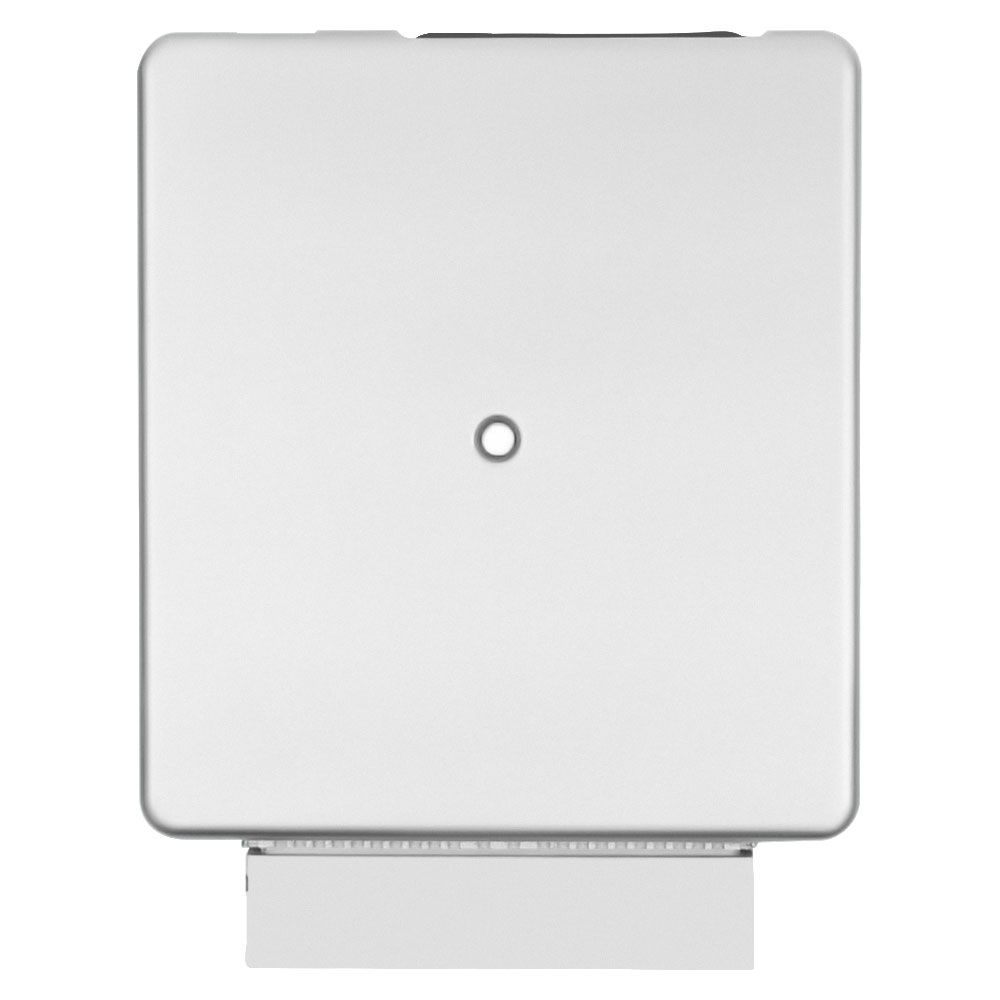
Flagship One stocks a refurbished, VIN-programmed PCM for the 1992 Lincoln Continental with a lifetime warranty, free shipping and no core charge. The full Lincoln Continental module lineup covers other engine configurations as well.
The Powertrain Control Module in your 1992 Lincoln Continental plays a critical role in engine and transmission operation. When it fails, symptoms like stalling, no-start conditions, or erratic shifting can disrupt your daily driving. Replacing the module is a straightforward process, but programming is essential to avoid additional calibration steps. With a VIN-matched replacement unit, you can skip the relearn procedure and enjoy reliable performance once again. If your Continental is showing signs of PCM trouble, addressing it promptly can prevent further drivability issues and keep your classic sedan running smoothly.