
Last updated on August 25th, 2026 at 12:45 pm
The Powertrain Control Module (PCM) in your 2015 Dodge Charger 3.6L acts as the engine and transmission’s central computer. Failures may trigger no-start conditions, erratic shifting, or internal memory faults, often requiring replacement and precise programming.
If your 2015 Dodge Charger 3.6L suddenly refuses to start, stalls unexpectedly, or throws cryptic engine codes, the Powertrain Control Module (PCM) may be at fault. This critical component oversees everything from fuel delivery to transmission shifts, and when it fails, your vehicle’s performance suffers. Replacing it isn’t just about swapping hardware—it requires precise programming to match your Charger’s original VIN and mileage. Without this step, the new module won’t communicate with the rest of the vehicle’s systems. This guide explains what the PCM does, how to recognize failure symptoms, and what’s involved in replacement and programming. You’ll also learn why opting for a pre-programmed unit can save time and avoid headaches during installation.
The Powertrain Control Module (PCM) in your 2015 Dodge Charger 3.6L is the brain behind the engine and transmission. It constantly monitors sensors to adjust fuel injection, ignition timing, and shift points for optimal performance. When the PCM fails, your Charger may run poorly or not at all. Unlike generic engine computers, the PCM in this model integrates both engine and transmission control, meaning a single fault can disrupt multiple systems. Replacement isn’t just about plugging in a new unit—it requires precise calibration to your vehicle’s specifications. If you’re considering replacement powertrain control modules for the Dodge Charger, understanding its role helps you appreciate why proper programming is non-negotiable. A faulty PCM may trigger a range of issues, from rough idling to complete engine shutdown, making timely replacement essential for reliable operation.
2015 Dodge Charger 3.6L
OEM programmed ECM for your 2015 Dodge Charger 3.6L — plug & play, no dealer visit.
Free shipping · Lifetime warranty
In the 2015 Dodge Charger 3.6L, the PCM is located in the engine bay, typically mounted near the firewall or fender well for easy access. Replacing it involves disconnecting the battery, removing the electrical connectors, and unbolting the module from its bracket. The labor time for removal and reinstallation (R&R) is typically 0.6 hours, according to factory estimates. Once the old unit is out, the new PCM is bolted into place, and connectors are reattached. However, physical installation is only part of the process. The module must be programmed with your Charger’s original VIN and mileage to function correctly. Skipping this step may leave the vehicle inoperable or cause erratic behavior, so it’s critical to follow the full procedure or use a pre-programmed unit to avoid complications.
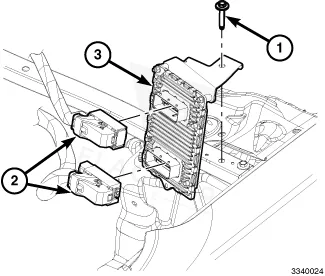
Work with the ignition off, and treat the module as static-sensitive: avoid touching the connector pins at any point.
| Operation | Configuration | Book Time |
|---|---|---|
| Powertrain Control Module Relearn | All configurations | 0.5 hr |
| Powertrain Control Module R&R | All configurations | 0.6 hr |
| Engine Control Module Relearn | All configurations | 0.5 hr |
| Engine Control Module Reset | All configurations | 0.3 hr |
| Engine Control Module R&R | All configurations | 0.6 hr |
After installing a new PCM in your 2015 Dodge Charger 3.6L, the factory procedure requires programming the module with the original Vehicle Identification Number (VIN) and current mileage. This step ensures the module syncs with the vehicle’s other systems, including the transmission and emissions controls. Without this programming, the PCM may fail to communicate with sensors or execute commands properly, leading to poor performance or a no-start condition. The process typically involves using a factory scan tool to input the VIN and mileage, which can add complexity to the repair. However, opting for a VIN-programmed replacement unit eliminates this step entirely, as the module arrives ready to install. This not only saves time but also reduces the risk of errors during manual programming, ensuring your Charger runs as intended from the first start.
A failing PCM in your 2015 Dodge Charger 3.6L can manifest in several ways, often mimicking other issues. One of the most common signs is a no-start condition, where the engine cranks but refuses to fire. You may also experience stalling, particularly at idle or during deceleration, as the PCM struggles to maintain fuel and ignition timing. Erratic shifting is another red flag, as the module controls both engine and transmission functions. If the PCM loses communication with the scan tool, it may indicate an internal fault or corrupted memory. Another telltale sign is the illumination of the check engine light, often accompanied by an internal control module memory checksum error. This code suggests the PCM’s memory has been corrupted, which can lead to unpredictable behavior. Other symptoms may include rough idling, poor fuel economy, or even intermittent misfires, as the module fails to adjust fuel trim or ignition timing accurately. If you notice any of these issues, diagnosing the PCM early can prevent further complications.
The 2015 Dodge Charger 3.6L may log specific trouble codes when the PCM fails or experiences internal faults. These codes help pinpoint the issue, though they often require further diagnosis to confirm the root cause. Below are the documented module-internal trouble codes for this vehicle.
| Code | Meaning | Full Guide |
|---|---|---|
| P0601 | Internal memory checksum error | Full P0601 guide → |
Factory service bulletins for the 2015 Dodge Charger 3.6L emphasize verifying the vehicle’s VIN and software level in the PCM when diagnosing related concerns. If a new PCM is installed, technicians are directed to follow specific programming procedures outlined in the electrical module section of the service manual. These steps ensure the module is properly calibrated to the vehicle’s systems, preventing communication errors or performance issues. While no additional bulletins were provided, adhering to these guidelines is critical for a successful repair.
A stalled engine after a battery replacement may indicate the PCM lost its adaptive memory or failed to reinitialize. This can happen if the battery was disconnected for an extended period or if voltage dropped too low during replacement. Reprogramming the PCM with the correct VIN and mileage often resolves the issue, though a faulty module may also be to blame.
While the vehicle may still run with a P0601 code, it’s not advisable to ignore it. This code indicates an internal PCM memory fault, which can lead to erratic behavior, poor fuel economy, or even a no-start condition. Addressing it promptly prevents further damage and ensures reliable operation.
If the PCM logs internal memory faults like P0601 or fails to communicate with a scan tool, replacement is often necessary. However, if the module responds to commands but behaves erratically, reprogramming with the correct VIN and mileage may resolve the issue. A professional diagnosis can determine the best course of action.
Installing a used PCM without reprogramming it to your vehicle’s VIN and mileage will likely result in a no-start condition or erratic performance. The module must match your Charger’s specifications to communicate with the engine, transmission, and other systems. Always ensure the PCM is properly programmed before installation.
Clearing codes without addressing the underlying issue may temporarily hide the problem, but the symptoms will return. For example, a P0601 code indicates a memory fault that won’t resolve on its own. Ignoring it risks further damage or a sudden breakdown, so it’s best to diagnose and repair the issue promptly.
If your 2015 Dodge Charger 3.6L is experiencing PCM-related issues, you have two main options: repair or replacement. While reprogramming may resolve minor faults, a failing module often requires a new unit. Opting for a pre-programmed replacement eliminates the need for manual VIN and mileage input, streamlining the installation process. Whether you choose a new or refurbished module, ensuring it’s properly calibrated to your Charger’s specifications is key to restoring reliable performance.
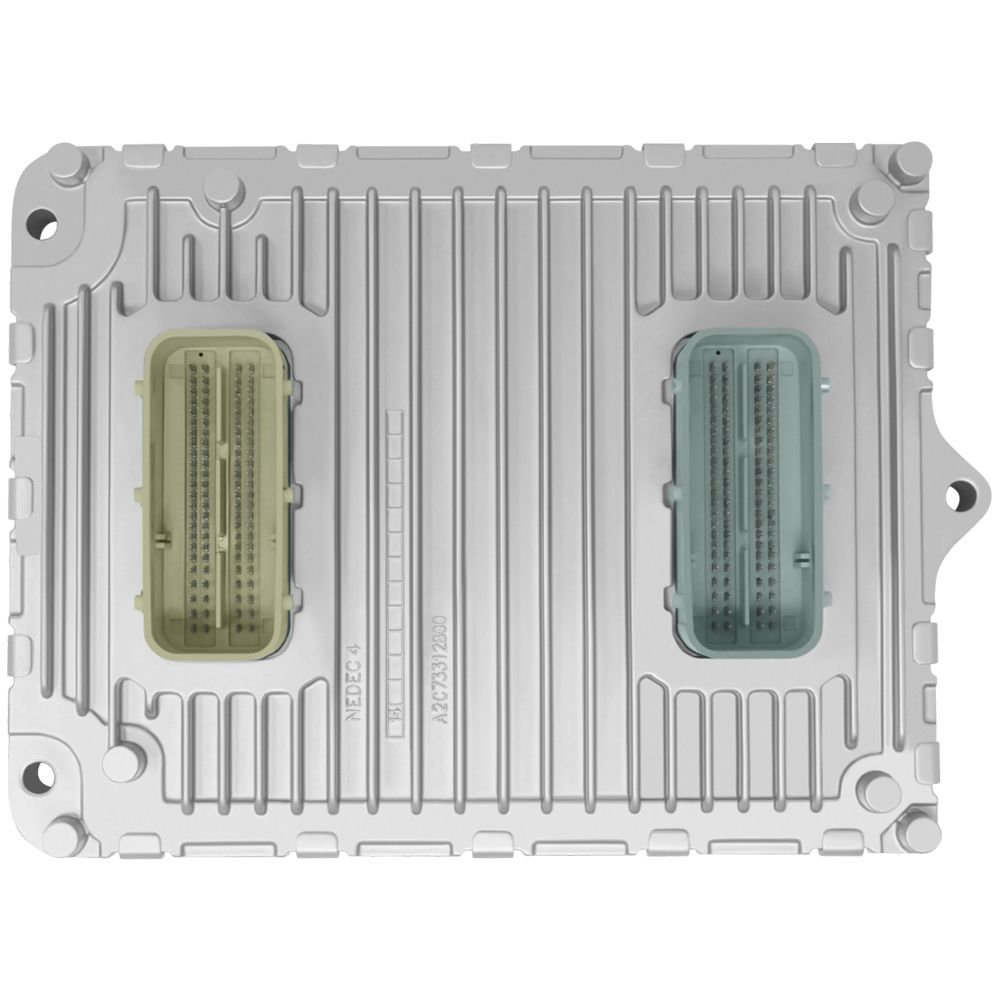
Flagship One stocks a refurbished, VIN-programmed PCM for the 2015 Dodge Charger with a lifetime warranty, free shipping and no core charge. The full Dodge Charger module lineup covers other engine configurations as well.
The Powertrain Control Module in your 2015 Dodge Charger 3.6L plays a critical role in engine and transmission operation. Recognizing failure symptoms early—such as stalling, no-start conditions, or internal memory faults—can save you time and frustration. Whether you’re replacing the module or reprogramming it, following factory procedures ensures your Charger runs smoothly. Consider a pre-programmed unit to simplify the process and get back on the road with confidence.