
Last updated on August 25th, 2026 at 12:45 pm
In the 2013 Dodge Charger, the Powertrain Control Module (PCM) manages engine and transmission functions, interpreting sensor data to control fuel, ignition and shift timing. A failure typically disables these systems, triggering diagnostic codes and preventing normal operation.
When a 2013 Dodge Charger begins to exhibit erratic engine behavior or a diagnostic scan returns a P0601 code, the Powertrain Control Module is often the culprit. Understanding what the PCM does, where it lives, and how it must be programmed can help you decide whether to repair or replace it. This guide walks you through the module’s role, the steps involved in swapping it out, and the programming requirements, so you can make an informed choice for your vehicle.
The Powertrain Control Module in the 2013 Dodge Charger serves as the central computer that processes inputs from dozens of sensors to command fuel delivery, spark timing, and transmission shifts. It ensures the engine runs smoothly and meets emissions standards, making it essential for reliable performance. Because the PCM coordinates both powertrain and emissions functions, a malfunction can affect idle quality, acceleration and even cause a no‑start condition. For owners seeking a replacement, understanding replacement powertrain control modules for the 2013 Dodge Charger helps compare options and select a compatible unit.
2013 Dodge Charger
OEM programmed ECM for your 2013 Dodge Charger — plug & play, no dealer visit.
Free shipping · Lifetime warranty
The PCM sits in the engine compartment of the 2013 Dodge Charger, mounted near the firewall for easy access. Removal typically involves disconnecting the electrical connector, unbolting the module, and extracting it from its bracket. Installation reverses these steps, and the labor estimate for a remove‑and‑replace operation is listed as 0.6 hours. While no specific torque values are provided, careful handling of the connector and mounting hardware is recommended to avoid damage during the swap.
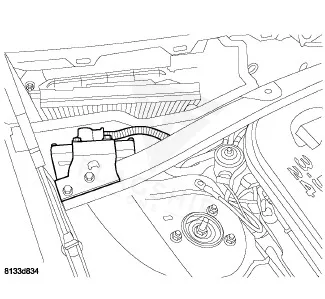
Work with the ignition off, and treat the module as static-sensitive: avoid touching the connector pins at any point.
| Operation | Configuration | Book Time |
|---|---|---|
| Powertrain Control Module Relearn | All configurations | 0.5 hr |
| Powertrain Control Module R&R | All configurations | 0.6 hr |
| Engine Control Module Relearn | All configurations | 0.5 hr |
| Engine Control Module Reset | All configurations | 0.3 hr |
| Engine Control Module R&R | All configurations | 0.6 hr |
After a new PCM is fitted in a 2013 Dodge Charger, the factory procedure calls for programming the unit with the original VIN and the vehicle’s mileage. Flagship One units arrive already VIN‑programmed, so those steps are completed before the part reaches your shop. This eliminates the need for additional on‑site programming, streamlining the replacement process with a VIN-programmed replacement unit ready to install.
A failing PCM in the 2013 Dodge Charger may cause the engine to refuse to start, stall unexpectedly, or run rough under load. You might also see misfire‑related codes or experience erratic transmission shifting. In many cases, the scan tool will lose communication with the vehicle, indicating a deeper control issue. One diagnostic indicator is the internal PCM communication error which points directly to a problem inside the module.
The following list includes the internal diagnostic trouble codes that can be stored by the PCM in a 2013 Dodge Charger.
| Code | Meaning | Full Guide |
|---|---|---|
| P0601 | Internal memory checksum error | Full P0601 guide → |
The vehicle may limp or fail to start because the PCM controls essential engine and transmission functions. Driving with a compromised module is not recommended.
Standard hand tools are sufficient for removing the mounting bolts and disconnecting the electrical connector. No proprietary equipment is required for the physical swap.
Factory guidelines state that the new module must be programmed with the original VIN and mileage. Using a pre‑programmed unit from Flagship One satisfies this requirement without additional steps.
When the PCM in your 2013 Dodge Charger needs attention, you can choose a brand‑new, factory‑programmed replacement or a refurbished unit that meets the same specifications. Both options restore the vehicle’s control logic, but a new part may offer longer warranty coverage. Evaluate the condition of your current module and your budget to decide the best path forward.
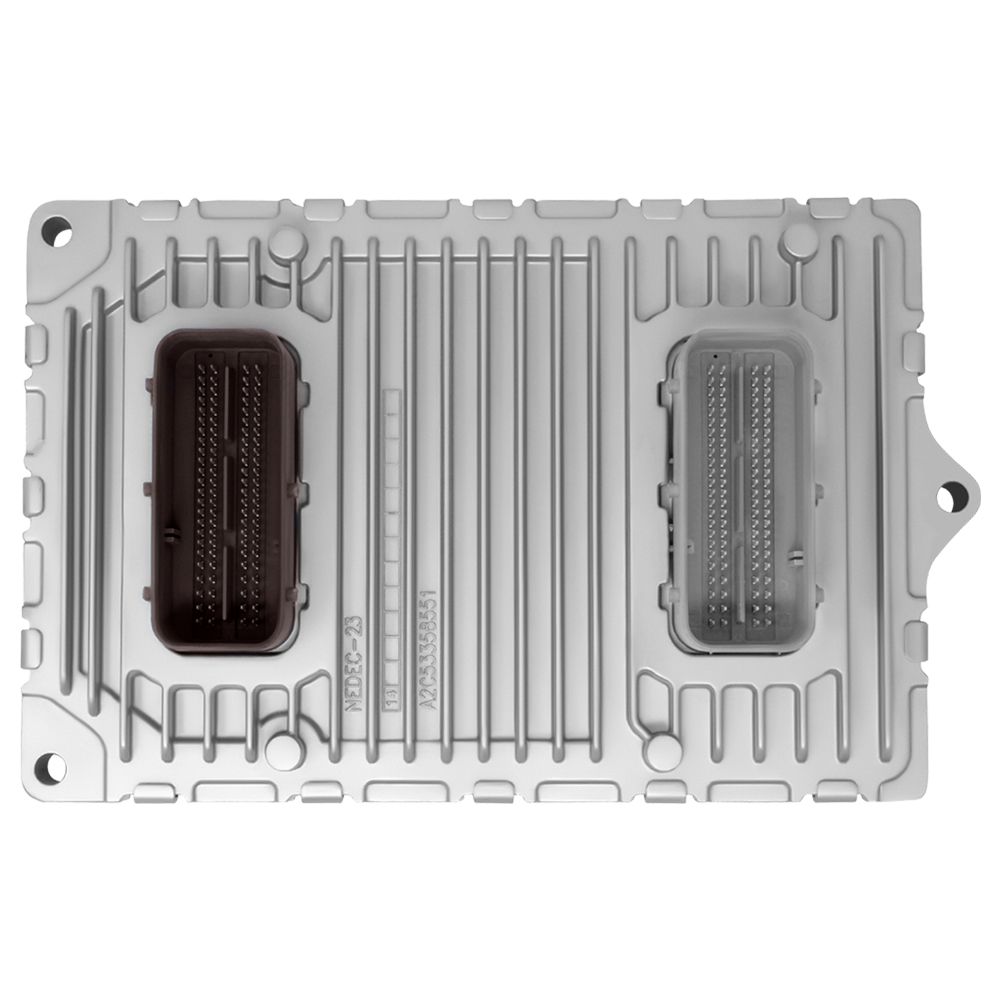
Flagship One stocks a refurbished, VIN-programmed PCM for the 2013 Dodge Charger with a lifetime warranty, free shipping and no core charge. The full Dodge Charger module lineup covers other engine configurations as well.
Replacing the PCM in a 2013 Dodge Charger can resolve a range of performance issues. Whether you opt for a new or refurbished unit, proper installation and programming are key to getting your vehicle back on the road. Consider Flagship One’s ready‑to‑install solutions for a smoother repair experience.