
Last updated on August 25th, 2026 at 12:46 pm
The Powertrain Control Module (PCM) in your 2009 Dodge Magnum is the central computer managing engine operation and transmission shifting. It processes sensor data to control fuel delivery, ignition timing, and emissions systems. Internal processor or memory faults can cause drivability issues even when external sensors test good.
If your 2009 Dodge Magnum with the 2.7L engine runs poorly, stalls, or won’t start despite normal sensor readings, the Powertrain Control Module may be the culprit. This guide explains what the PCM does, common failure symptoms, and what replacement involves. You’ll learn the factory service procedures, why module-internal codes matter, and whether repair or replacement makes sense for your situation. Understanding the PCM’s role helps you make informed decisions about addressing drivability problems on this vehicle.
The Powertrain Control Module serves as the brain of your 2009 Dodge Magnum’s powertrain. It receives input from dozens of sensors throughout the engine and transmission, then adjusts fuel delivery, ignition timing, variable valve timing, and transmission shift points in real time. The module also monitors emissions control systems and communicates with other vehicle computers through the CAN bus. replacement PCM for the Magnum must match the exact hardware and software version the factory originally installed, otherwise the vehicle may not run properly or certain features may be unavailable. This level of integration means a failing PCM can cause symptoms that seem unrelated to the computer itself, making diagnosis challenging without proper scan tool data.
2009 Dodge Magnum
OEM programmed ECM for your 2009 Dodge Magnum — plug & play, no dealer visit.
Free shipping · Lifetime warranty
The Powertrain Control Module on your 2009 Dodge Magnum is mounted in the engine compartment, typically in a location accessible without removing major components. Replacement involves disconnecting the battery, removing the module from its mounting bracket, transferring the factory connector harness, and reinstalling the new unit. The book time for PCM removal and reinstallation is 1.0 hour, which covers the physical replacement work. After installation, the engine control module relearn procedure takes an additional 0.5 hour to allow the new module to adapt to your vehicle’s specific sensor calibrations and idle settings. Always use a quality connector seal compound when reconnecting the harness to prevent moisture intrusion that could damage the new module.
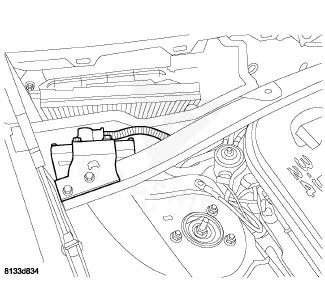
Work with the ignition off, and treat the module as static-sensitive: avoid touching the connector pins at any point.
| Operation | Configuration | Book Time |
|---|---|---|
| Powertrain Control Module R&R | All configurations | 1.0 hr |
| Engine Control Module Relearn | All configurations | 0.5 hr |
| Engine Control Module R&R | All configurations | 1.0 hr |
After replacing the PCM on your 2009 Dodge Magnum, the factory procedure requires performing a relearn procedure using a scan tool. This step programs the module with your vehicle’s specific VIN, configures it for the 2.7L engine calibration, and establishes communication with the transmission control module. The relearn process also allows the new PCM to initialize its adaptive fuel strategies based on your specific engine’s characteristics. a VIN-programmed replacement unit arrives pre-programmed with your specific vehicle identification number and the correct factory calibration, which means the relearn procedure primarily confirms that all systems communicate properly rather than performing initial programming. This pre-programming significantly reduces the time and equipment needed to get your vehicle running correctly after replacement.
When the Powertrain Control Module fails internally on a 2009 Dodge Magnum, you may experience no-start conditions where the engine cranks but won’t run, or intermittent stalling that occurs without warning. Common symptoms include multiple misfire codes (P0300 series) appearing simultaneously, transmission shifting problems that don’t respond to sensor replacement, and a dead or unresponsive scan tool connection. The check engine light may illuminate with unusual codes that don’t correlate with actual sensor failures. memory checksum fault indicates the module’s internal memory has detected an invalid data checksum, suggesting the processor has experienced an internal failure that cannot be repaired by replacing external components. These symptoms often worsen over time as the internal fault progresses, eventually leaving the vehicle inoperable.
Your 2009 Dodge Magnum’s service records may show module-internal trouble codes P0601 and P0606. These codes originate from the PCM’s built-in self-test diagnostics and indicate processor or memory hardware failures within the module itself, not problems with external sensors or wiring. When these codes set, the module has detected an internal fault that compromises its ability to manage engine functions properly. Unlike conventional diagnostic codes that point to specific circuits, module-internal codes typically require replacement of the computer to restore reliable operation.
| Code | Meaning | Full Guide |
|---|---|---|
| P0601 | Internal memory checksum error | Full P0601 guide → |
| P0606 | Module processor failure | Full P0606 guide → |
Factory service bulletin #18-021-13 addresses a performance derate condition that occurs above 55 MPH immediately after startup when accelerating at wide open throttle on certain Magnum models. Bulletin #18-023-10 covers rough idle on cold start when ambient temperatures fall below 50 degrees Fahrenheit, related to calibration adjustments in the PCM software. Bulletin #18-032-11 involves MIL illumination for code P2181 indicating cooling system performance concerns, with flash reprogramming available to address the issue. These bulletins show that the factory recognizes specific calibration concerns that can affect drivability and may require PCM software updates during replacement.
| Bulletin | Subject | What It Addresses |
|---|---|---|
| 18-021-13 | 18-021-13 Flash: Performance Derate Above 55 MPH Immediately After Start-Up When Accelerating A | — |
| 18-023-10 | 18-023-10 Flash: Rough Idle On Start Up With Ambient Temperatures Below 50° (10° C) | — |
| 18-032-11 | 18-032-11 Flash: MIL Illumination for P2181 – Cooling System Performance | — |
No. The replacement module must have the exact part number and software calibration matching your vehicle’s specifications. A mismatched PCM may cause the engine to run poorly or not start at all. Flagship One provides units programmed with your specific VIN and factory calibration.
Physical replacement is straightforward for someone with basic mechanical skills, but you will need a scan tool to perform the relearn procedure. Without the proper diagnostic equipment, the vehicle may run poorly after replacement. Consider whether the time and tool investment makes professional installation more cost-effective.
This often indicates a failed module rather than a wiring issue. When the internal processor or memory malfunctions, the module cannot maintain CAN bus communication with the scan tool. This is a strong indicator that the PCM itself requires replacement rather than repair of external connections.
When your 2009 Dodge Magnum’s PCM fails, you face a choice between repair of the original unit or replacement with a refurbished or new module. Repair may seem less expensive initially, but internal processor faults cannot be reliably fixed. Replacement with a unit that arrives VIN-programmed eliminates the need for dealership programming fees and ensures the correct calibration from the start. Consider your budget, timeline, and whether you have access to scan tool relearn procedures when deciding which path makes sense for your situation.

Flagship One stocks a refurbished, VIN-programmed PCM for the 2009 Dodge Magnum with a lifetime warranty, free shipping and no core charge. The full Dodge Magnum module lineup covers other engine configurations as well.
The Powertrain Control Module in your 2009 Dodge Magnum is the central command center for the entire powertrain. When internal faults cause drivability symptoms, replacement with a properly programmed unit restores reliable operation. Whether you choose professional installation or tackle the job yourself, understanding the module’s role helps you make informed decisions about maintaining your Magnum’s performance.