
Last updated on August 25th, 2026 at 12:47 pm
The Powertrain Control Module (PCM) in the 2005 Dodge Magnum 6.1L acts as the engine and transmission brain. When it fails, the vehicle may refuse to start, run poorly, or trigger internal fault codes that disable critical systems.
If your 2005 Dodge Magnum 6.1L suddenly cranks but won’t start, idles rough, or throws unexplained transmission shifts, the Powertrain Control Module (PCM) may be failing. This small computer manages fuel delivery, ignition timing, and transmission behavior, so its health directly impacts driveability. Replacing it involves more than just swapping hardware—factory procedures require reprogramming with your vehicle’s original VIN and mileage to ensure proper operation. Understanding the module’s location, labor times, and post-install steps helps you anticipate what the repair entails and avoid unnecessary delays.
The Powertrain Control Module (PCM) in the 2005 Dodge Magnum 6.1L serves as the central command for engine and transmission functions. It processes sensor data to control fuel injection, spark timing, and shift points, ensuring smooth acceleration and efficient operation. A malfunctioning PCM may cause erratic behavior, such as stalling, misfires, or even a no-start condition. Since the module integrates multiple systems, its reliability is critical for maintaining performance. When replacement becomes necessary, replacement engine computers for the Dodge Magnum are designed to restore factory-level functionality with minimal hassle.
2005 Dodge Magnum 6.1L
OEM programmed ECM for your 2005 Dodge Magnum 6.1L — plug & play, no dealer visit.
Free shipping · Lifetime warranty
The PCM in your 2005 Dodge Magnum 6.1L is located in the engine compartment, making access relatively straightforward. Replacement typically involves disconnecting the battery, unplugging the electrical connectors, and removing the mounting bolts. Factory labor time for removing and reinstalling the module is about 0.4 hours. After installation, a relearn procedure is required, which may take an additional 0.5 hours. While the physical swap is quick, proper connector seating and secure mounting are essential to prevent future electrical issues.
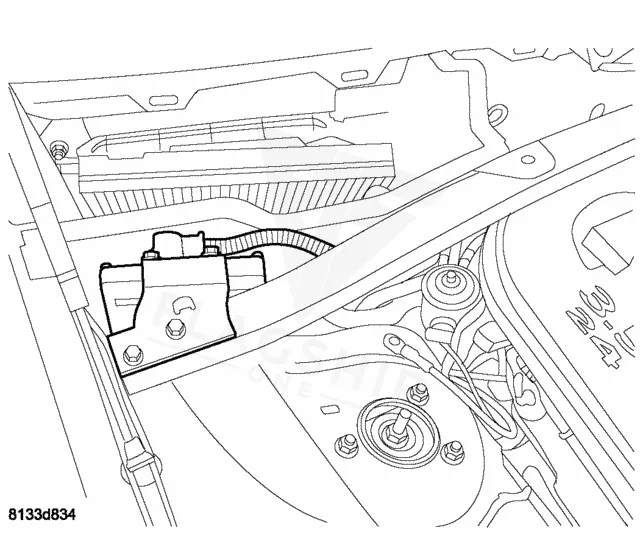
Work with the ignition off, and treat the module as static-sensitive: avoid touching the connector pins at any point.
| Operation | Configuration | Book Time |
|---|---|---|
| Engine Control Module Relearn | All configurations | 0.5 hr |
| Engine Control Module R&R | All configurations | 0.4 hr |
| Powertrain Control Module Relearn | All configurations | 0.5 hr |
| Powertrain Control Module R&R | All configurations | 0.4 hr |
After installing a new PCM in your 2005 Dodge Magnum 6.1L, the factory procedure requires reprogramming the module with the vehicle’s original VIN and mileage. This step ensures the computer syncs with the engine and transmission systems. However, a VIN-programmed replacement unit from Flagship One arrives pre-configured, eliminating the need for this additional step. This saves time and reduces the risk of programming errors during installation, allowing your vehicle to return to service more quickly.
A failing PCM in the 2005 Dodge Magnum 6.1L may cause a range of symptoms, from intermittent stalling to a complete no-start condition. Drivers often report rough idling, poor acceleration, or transmission shifting issues, as the module controls both engine and gearbox functions. Internal faults like an internal control module memory check error may appear on a scan tool, signaling corruption within the PCM’s software. If the module loses communication entirely, the vehicle may enter a limp-home mode or refuse to start, leaving you stranded until the issue is resolved.
The 2005 Dodge Magnum 6.1L may log specific internal trouble codes when the PCM begins to fail. These codes help pinpoint issues within the module itself, rather than external sensors or wiring. Addressing them promptly can prevent further driveability problems.
| Code | Meaning | Full Guide |
|---|---|---|
| P0601 | Internal memory checksum error | Full P0601 guide → |
| P0606 | Module processor failure | Full P0606 guide → |
Factory service bulletin #18-007-06 Rev. A outlines generic Powertrain Control Module (PCM) procedures for vehicles like the 2005 Dodge Magnum 6.1L. While the bulletin doesn’t specify model-exclusive steps, it provides standardized guidance for replacement and reprogramming, ensuring technicians follow consistent practices when servicing the module.
| Bulletin | Subject | What It Addresses |
|---|---|---|
| 18-007-06 Rev. A | 18-007-06 Rev. A Generic Powertrain Control Module (PCM) Procedure | — |
The relearn procedure synchronizes the new PCM with the vehicle’s engine and transmission systems. Without it, the module may not communicate properly with sensors or control units, leading to poor performance or a no-start condition. Factory guidelines require this step to ensure full functionality.
While the vehicle may still run, a P0601 code indicates an internal PCM fault that could worsen over time. Ignoring it may lead to stalling, misfires, or transmission issues. It’s best to address the code promptly to avoid further complications.
Common signs include rough idling, stalling, transmission shifting problems, or a no-start condition. If your scan tool shows internal PCM codes like P0601 or P0606, the module may need replacement. A professional diagnosis can confirm the issue.
When the PCM in your 2005 Dodge Magnum 6.1L fails, you have options beyond a costly dealership visit. A refurbished replacement unit can restore functionality at a fraction of the price, provided it’s programmed correctly. Given the factory requirement for VIN and mileage syncing, choosing a pre-programmed module simplifies the process and reduces downtime.
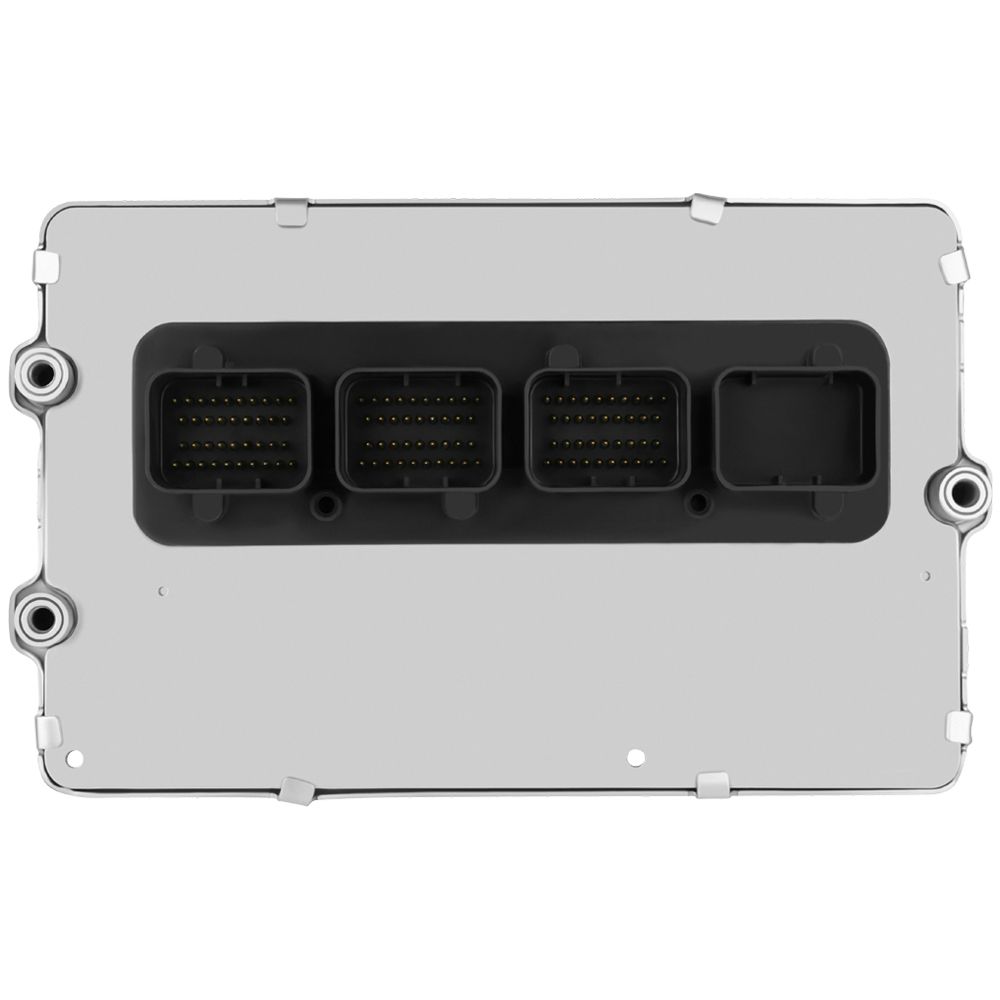
Flagship One stocks a refurbished, VIN-programmed PCM for the 2005 Dodge Magnum with a lifetime warranty, free shipping and no core charge. The full Dodge Magnum module lineup covers other engine configurations as well.
The 2005 Dodge Magnum 6.1L relies on its PCM to manage critical engine and transmission functions. If you’re experiencing stalling, no-start conditions, or internal fault codes, the module may be the culprit. Understanding the replacement process, labor times, and programming requirements helps you make an informed decision and get your vehicle back on the road efficiently.