
Last updated on August 25th, 2026 at 12:49 pm
The powertrain control module in your 2000 Dodge Durango is designated as the JTEC unit and is responsible for operating the fuel system among other engine management functions. When this module fails internally, it may trigger stored trouble codes, disrupt communication with diagnostic equipment, or cause erratic fuel delivery that affects overall engine performance and starting reliability.
When your 2000 Dodge Durango starts exhibiting unusual drivability problems or your scan tool loses communication with the engine computer, the powertrain control module becomes a logical point of investigation. The Durango’s 4.7L engine relies on its PCM to manage critical fuel delivery and engine operating parameters, and an internal module fault can produce symptoms that mimic other component failures. Understanding how this module functions, where it lives in your vehicle, and what the factory replacement procedure entails helps you avoid misdiagnosis and unnecessary parts swapping. This guide walks through the JTEC control module’s role, documented trouble codes, relevant service bulletins, and what the reprogramming process involves so you can make an informed decision about repair or replacement.
The powertrain control module in the 2000 Dodge Durango operates under what Dodge refers to as JTEC operation, managing the fuel system and coordinating various engine management tasks for the 4.7L V8. This module continuously processes input from sensors throughout the engine bay and adjusts fuel injector pulse width, ignition timing, and other outputs to maintain proper combustion and emissions compliance. Because it sits at the center of the engine management architecture, a failing PCM can produce wide-ranging effects that often look like bad sensors, ignition problems, or fuel pump issues. Diagnostic equipment communicates with this module to retrieve stored codes and live data, so when the PCM itself is compromised, that communication path may break down entirely. Choosing replacement PCM units for the Durango gives you a module already configured for this vehicle’s JTEC architecture, which simplifies the installation process compared to sourcing a blank unit and performing full factory initialization from scratch.
2000 Dodge Durango
OEM programmed ECM for your 2000 Dodge Durango — plug & play, no dealer visit.
Free shipping · Lifetime warranty
The PCM in your 2000 Dodge Durango is part of the JTEC operation system that manages fuel system functions. Replacement involves removing the old module and installing the new one, with a factory book time of 0.5 hours for the R&R procedure. After physical installation, a relearn process is also specified at 0.5 hours, allowing the module to synchronize with your vehicle’s immobilizer and sensor adaptations. The same labor figures apply whether the service literature refers to the unit as an engine control module or powertrain control module, since both terms describe the same JTEC component in this vehicle. Access generally involves locating the module in the engine compartment, disconnecting the battery to prevent electrical damage, unlatching the wiring connectors, and transferring the unit from its mounting position.
Work with the ignition off, and treat the module as static-sensitive: avoid touching the connector pins at any point.
| Operation | Configuration | Book Time |
|---|---|---|
| Engine Control Module Relearn | All configurations | 0.5 hr |
| Engine Control Module R&R | All configurations | 0.5 hr |
| Powertrain Control Module Relearn | All configurations | 0.5 hr |
| Powertrain Control Module R&R | All configurations | 0.5 hr |
The factory procedure for your 2000 Dodge Durango requires using the DRB scan tool to reprogram a new PCM with the vehicle’s original identification number and its original mileage. This step ensures the replacement module carries the correct identity for emissions testing, service records, and immobilizer compatibility. Without this programming, the PCM may not communicate properly with other vehicle systems or may trigger incorrect diagnostic readings. Flagship One addresses this requirement by shipping a VIN-programmed replacement unit that already contains your Durango’s original identification number and mileage, so the DRB reprogramming steps are completed before the part arrives at your door.
A failing PCM in the 2000 Dodge Durango often presents as hard starting or a complete no-start condition, since the module directly controls fuel system operation under JTEC architecture. You may experience intermittent stalling, rough idle, or misfire codes that do not resolve after replacing ignition components and sensors. Another common indicator is loss of communication between your scan tool and the module, which prevents you from reading or clearing diagnostic codes. Shifting irregularities can also surface if the PCM’s internal processing degrades. When the module stores an internal fault, you may find an internal PCM checksum error indicating that the control module’s memory has been corrupted or has failed self-test validation. These symptoms tend to be intermittent at first and gradually become more consistent as the module deteriorates.
The 2000 Dodge Durango has one module-internal trouble code documented in factory service literature. This code relates specifically to the PCM’s internal self-test and memory validation rather than to external sensor or circuit faults, which helps distinguish a genuine module failure from a wiring or component issue.
| Code | Meaning | Full Guide |
|---|---|---|
| P0601 | Internal memory checksum error | Full P0601 guide → |
Two factory service bulletins apply to the 2000 Dodge Durango’s PCM system. Bulletin 08-39-99 addresses a condition where communications may stop between the JTEC PCM and a generic scan tool, which can prevent code reading and clearing during diagnosis. Bulletin 18-037-05 covers flash programming failure recovery using the DRBIII tool, providing a procedure to follow when a reprogramming attempt does not complete successfully. Both bulletins are relevant if you are performing module diagnosis or replacement, as the first helps explain scan-tool communication loss and the second guides recovery if a flash update fails during installation.
| Bulletin | Subject | What It Addresses |
|---|---|---|
| 08-39-99 | 08-39-99 Communications May Stop Between the JTEC PCM and A Generic Scan Tool | — |
| 18-037-05 | 18-037-05 Flash Programming Failure Recovery Using DRBIII® | — |
The factory book time lists 0.5 hours for removal and installation of the PCM, plus an additional 0.5 hours for the relearn procedure. Actual time may vary depending on access conditions and whether programming is required after installation.
JTEC operation refers to the specific control architecture Dodge used for the powertrain control module in your 2000 Durango. This module is responsible for operating the fuel system and managing engine functions, and the designation helps identify the correct replacement and programming procedures.
The factory procedure requires using the DRB scan tool to write the vehicle’s original VIN and mileage into the new PCM. A pre-programmed unit from Flagship One arrives with this information already entered, so the DRB programming step is typically not needed.
If your 2000 Dodge Durango is showing signs of PCM failure, you have options for addressing the problem. A professional repair shop can diagnose the module and perform the factory relearn and programming procedures, or you can choose a pre-programmed replacement that eliminates the need for DRB scan tool work. Flagship One provides VIN-programmed PCM units specific to the Durango’s JTEC system, giving you a straightforward path to restoring your vehicle’s engine management without additional programming equipment.
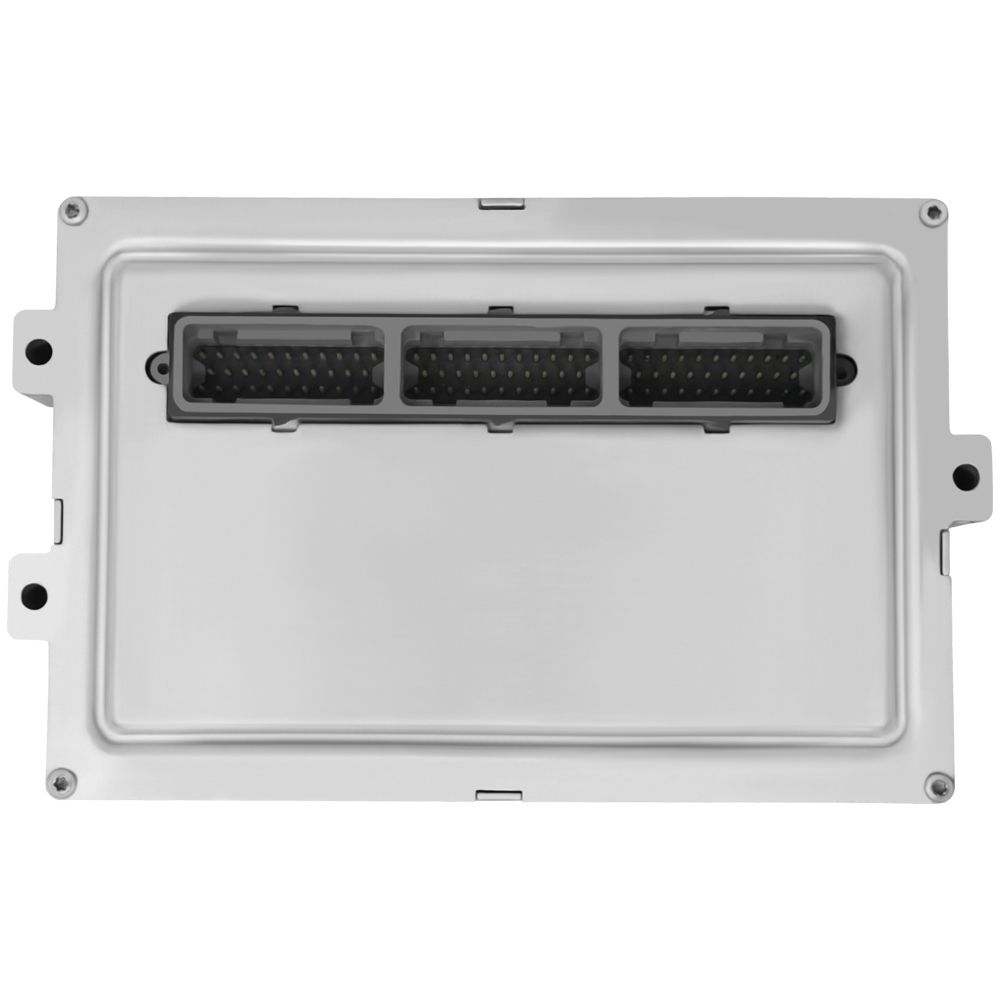
Flagship One stocks a refurbished, VIN-programmed PCM for the 2000 Dodge Durango with a lifetime warranty, free shipping and no core charge. The full Dodge Durango module lineup covers other engine configurations as well.
The 2000 Dodge Durango relies on its JTEC powertrain control module to manage fuel system operation and maintain proper engine performance. Recognizing the symptoms of module failure, understanding the documented trouble codes, and following the correct replacement and programming procedures will help you get your Durango back on the road with confidence. Explore Flagship One’s pre-programmed options for your specific vehicle.