
Last updated on August 25th, 2026 at 12:49 pm
In the 2000 Dodge Dakota, the Powertrain Control Module (PCM) manages fuel delivery and engine timing. A failure typically disrupts communication with scan tools and can trigger a P0601 code, leading to erratic performance or no‑start conditions.
When a 2000 Dodge Dakota experiences PCM‑related faults, the repair path can seem complex. This guide explains what the PCM does, where it lives, the labor involved, and the programming steps required after a replacement. By the end, you’ll know how to verify the issue, what factory procedures apply, and why a pre‑programmed unit from Flagship One may simplify the job.
The Powertrain Control Module in the 2000 Dodge Dakota controls fuel injection, ignition timing, and emissions functions. It also serves as the communication hub for diagnostic tools. A malfunction can halt data exchange, causing driveability problems and error codes. Understanding its role helps you see why a proper replacement PCM for the 2000 Dodge Dakota is essential for reliable operation.
2000 Dodge Dakota
OEM programmed ECM for your 2000 Dodge Dakota — plug & play, no dealer visit.
Free shipping · Lifetime warranty
The PCM, identified as the JTEC OPERATION unit, is mounted within the vehicle’s engine compartment and links directly to the fuel system. Replacing it typically requires 0.5 hours of labor, matching the book time for both removal and installation. Access involves disconnecting electrical connectors, removing the mounting bolts, and securing the new unit in the same location. No additional torque specifications were provided.
Work with the ignition off, and treat the module as static-sensitive: avoid touching the connector pins at any point.
| Operation | Configuration | Book Time |
|---|---|---|
| Engine Control Module Relearn | All configurations | 0.5 hr |
| Engine Control Module R&R | All configurations | 0.5 hr |
| Powertrain Control Module Relearn | All configurations | 0.5 hr |
| Powertrain Control Module R&R | All configurations | 0.5 hr |
After installing a new PCM, the factory procedure calls for using the DRB scan tool to reprogram the module with the vehicle’s original VIN and mileage. Flagship One supplies a a VIN-programmed replacement unit that already contains this data, so the reprogramming step is already completed when you receive the part.
A failing PCM in a 2000 Dodge Dakota may cause the engine to refuse to start, stall unexpectedly, or trigger misfire codes. Drivers often notice a loss of communication with scan tools, making diagnostics difficult. The specific communication fault can appear, indicating internal module trouble and prompting the need for inspection or replacement.
The following internal trouble code is documented for the 2000 Dodge Dakota PCM:
| Code | Meaning | Full Guide |
|---|---|---|
| P0601 | Internal memory checksum error | Full P0601 guide → |
Service bulletin #08-39-99 reports that communications may stop between the JTEC PCM and a generic scan tool, highlighting a known issue that can affect diagnostic access.
| Bulletin | Subject | What It Addresses |
|---|---|---|
| 08-39-99 | 08-39-99 Communications May Stop Between the JTEC PCM and A Generic Scan Tool | — |
It signals an internal fault within the PCM, often related to communication loss. The code suggests the module may need inspection or replacement.
Standard hand tools are sufficient for removal and installation, and the factory relearn requires a DRB scan tool for programming the new unit.
A refurbished unit that is VIN‑programmed and meets factory specifications can perform comparably to a new PCM when installed correctly.
When the PCM fails, you can choose a repair that involves removal and factory‑specified relearn steps, or opt for a refurbished, VIN‑programmed replacement that eliminates the programming portion. Both paths restore the 2000 Dodge Dakota’s engine control functions, but the pre‑programmed unit may reduce shop time.
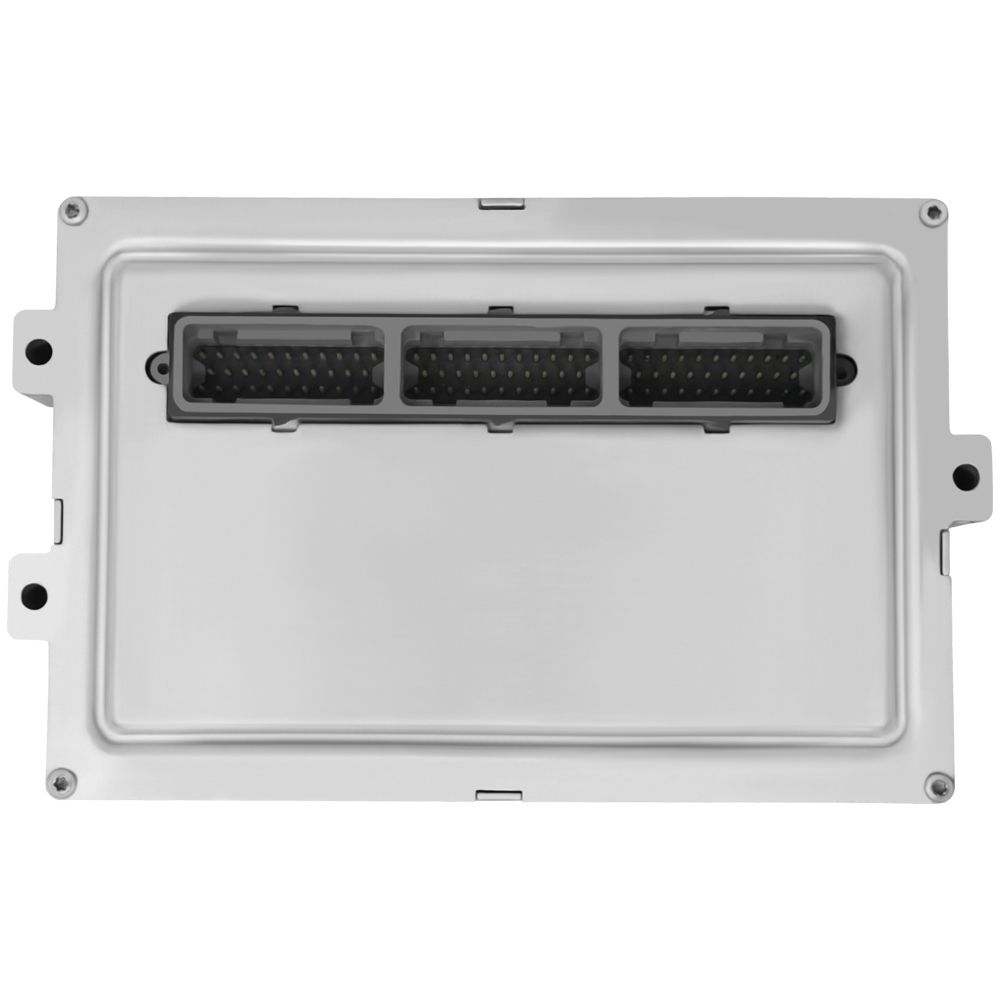
Flagship One stocks a refurbished, VIN-programmed PCM for the 2000 Dodge Dakota with a lifetime warranty, free shipping and no core charge. The full Dodge Dakota module lineup covers other engine configurations as well.
The 2000 Dodge Dakota’s PCM is critical for engine management, and addressing failures promptly helps keep the vehicle reliable. Consider a VIN‑programmed replacement to simplify the repair, and ensure proper relearn procedures are followed.