
Last updated on August 25th, 2026 at 12:50 pm
The Powertrain Control Module (PCM) in your 1996 Dodge Ram Van manages fuel delivery, ignition timing, and transmission shifts. When it fails, you may experience stalling, poor acceleration, or a complete no-start condition.
If your 1996 Dodge Ram Van has been acting up—stalling unexpectedly, refusing to start, or running rough—it may be time to consider the Powertrain Control Module (PCM). This critical component acts as the brain of your vehicle’s engine and transmission, coordinating fuel delivery, ignition timing, and shift points. When it fails, the symptoms can range from subtle performance issues to a complete breakdown. Understanding how the PCM functions, where it’s located, and what replacement involves can help you make informed decisions about repairs. You’ll also learn why choosing a pre-programmed unit can save time and avoid additional shop fees for reprogramming. Whether you’re diagnosing an existing problem or planning ahead, this guide covers what you need to know about the PCM in your Dodge Ram Van.
The Powertrain Control Module (PCM) in your 1996 Dodge Ram Van is a combined engine and transmission control unit. It monitors sensors throughout the vehicle to adjust fuel injection, ignition timing, and transmission shifts in real time. This ensures optimal performance, fuel efficiency, and emissions compliance. Without a functioning PCM, your van may struggle to start, run erratically, or even enter a limp-home mode that limits speed and power. The module also stores trouble codes when something goes wrong, which can be read with a scan tool to pinpoint issues. If replacement becomes necessary, you’ll need a unit compatible with your van’s 3.9L engine, and replacement PCMs for the Dodge Ram Van are designed to match the original specifications. The PCM is particularly critical in this vehicle because it integrates both engine and transmission control, meaning a single failure can disrupt multiple systems.
1996 Dodge Ram Van
OEM programmed ECM for your 1996 Dodge Ram Van — plug & play, no dealer visit.
Free shipping · Lifetime warranty
In your 1996 Dodge Ram Van, the PCM is typically mounted inside the engine compartment, often near the firewall or inner fender. Accessing it involves removing a protective cover or panel, which may require basic hand tools. The factory labor time for removing and replacing the PCM is 0.4 hours for the gas engine variant. Once the old unit is disconnected, the new PCM is installed in the same location and secured with the original mounting hardware. It’s important to ensure the wiring harness connector is fully seated and locked to prevent intermittent electrical issues. While the physical replacement is straightforward, the process doesn’t end there—your van will require a relearn procedure to synchronize the new PCM with the vehicle’s systems.
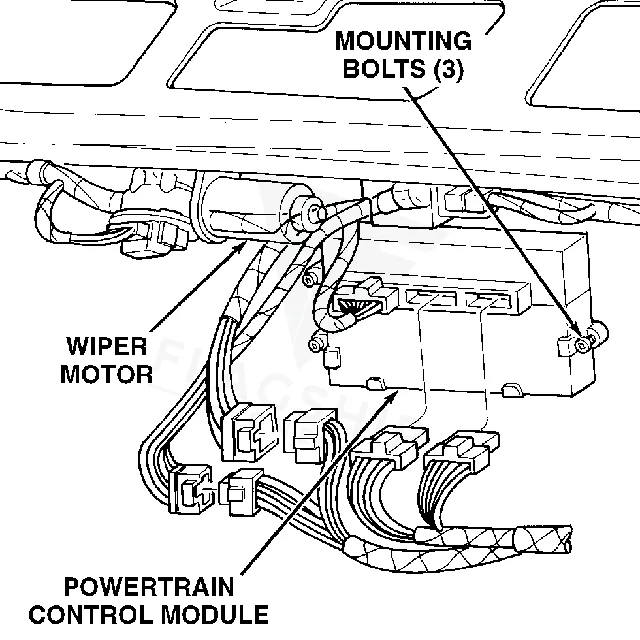
Work with the ignition off, and treat the module as static-sensitive: avoid touching the connector pins at any point.
| Operation | Configuration | Book Time |
|---|---|---|
| Engine Control Module Relearn | Van | 0.5 hr |
| Engine Control Module Relearn | Truck | 0.5 hr |
| Engine Control Module R&R | Van | 0.4 hr |
| Engine Control Module R&R | Truck | 0.4 hr |
| Engine Control Module R&R | GAS | 0.4 hr |
| Engine Control Module R&R | DIESEL | 0.7 hr |
| Engine Control Module R&R | GAS | 0.5 hr |
| Powertrain Control Module Relearn | Van | 0.5 hr |
After installing a new PCM in your 1996 Dodge Ram Van, the vehicle must undergo a relearn procedure to ensure proper communication between the module and the engine’s sensors. This process typically takes 0.5 hours of shop time and involves resetting adaptive fuel and ignition values. However, if you opt for a VIN-programmed replacement unit, these steps are already completed before the unit arrives. This means your van can be driven immediately after installation without additional programming, saving you time and labor costs. The relearn procedure is critical because the PCM relies on learned values to optimize performance, and skipping it may result in poor drivability or stored trouble codes.
A failing PCM in your 1996 Dodge Ram Van can manifest in several ways, often mimicking other mechanical or electrical issues. One of the most common signs is a no-start condition, where the engine cranks but refuses to fire. You may also experience intermittent stalling, particularly at idle or during deceleration, as the PCM struggles to maintain proper fuel and spark delivery. Poor acceleration, rough running, or a noticeable drop in fuel economy can indicate the module is not adjusting engine parameters correctly. Transmission shifting issues, such as harsh or delayed gear changes, may also occur if the PCM’s transmission control functions are compromised. Another red flag is the illumination of the check engine light, often accompanied by trouble codes like an internal control module memory error. In some cases, the van may enter a limp-home mode, limiting speed and power to prevent further damage. If your scan tool fails to communicate with the PCM, it could signal a complete module failure or a wiring issue. These symptoms often worsen over time, so addressing them promptly can prevent further complications.
Dodge issued two service bulletins relevant to the PCM in your 1996 Ram Van. Bulletin #18-21-98 outlines precautions for servicing the Powertrain Control Module, emphasizing proper handling and installation techniques to avoid damage. Bulletin #08-01-97 provides repair packages for the JTEC PCM wiring harness connector, addressing common issues with corrosion or poor connections that can mimic module failure. These bulletins highlight the importance of inspecting related components, such as wiring and connectors, before replacing the PCM.
| Bulletin | Subject | What It Addresses |
|---|---|---|
| 18-21-98 | 18-21-98 Powertrain Control Module (PCM) Service Caution | — |
| 08-01-97 | 08-01-97 JTEC PCM Wiring Harness Connector Repair Packages | — |
A failing PCM often triggers multiple unrelated trouble codes or causes the scan tool to lose communication. If you suspect wiring, inspect the harness and connectors for corrosion, fraying, or loose pins. A multimeter can help verify power and ground signals at the PCM connector.
Replacing the PCM is a straightforward process if you’re comfortable working with basic hand tools and electrical connectors. However, the vehicle will require a relearn procedure afterward, which may necessitate a shop visit if you don’t have the necessary equipment.
Skipping the relearn procedure may result in poor drivability, such as rough idling, hesitation, or transmission shifting issues. The PCM relies on learned values to optimize performance, and without them, the van may run inefficiently or store additional trouble codes.
Some owners report intermittent stalling or no-start conditions linked to PCM failures, often exacerbated by corroded wiring connectors. The service bulletins address these issues, emphasizing the importance of inspecting related components before replacing the module.
The physical replacement typically takes 0.4 hours, while the relearn procedure adds another 0.5 hours of labor. Using a pre-programmed unit eliminates the need for the relearn step, reducing the total time required.
If your 1996 Dodge Ram Van is experiencing PCM-related issues, you have options for replacement. A new or remanufactured unit can restore proper function, but it’s important to consider the additional labor for programming. Opting for a VIN-programmed replacement can simplify the process, allowing your van to be back on the road without extra shop time. Whether you choose to tackle the job yourself or leave it to a professional, understanding the steps involved ensures a smoother repair experience.
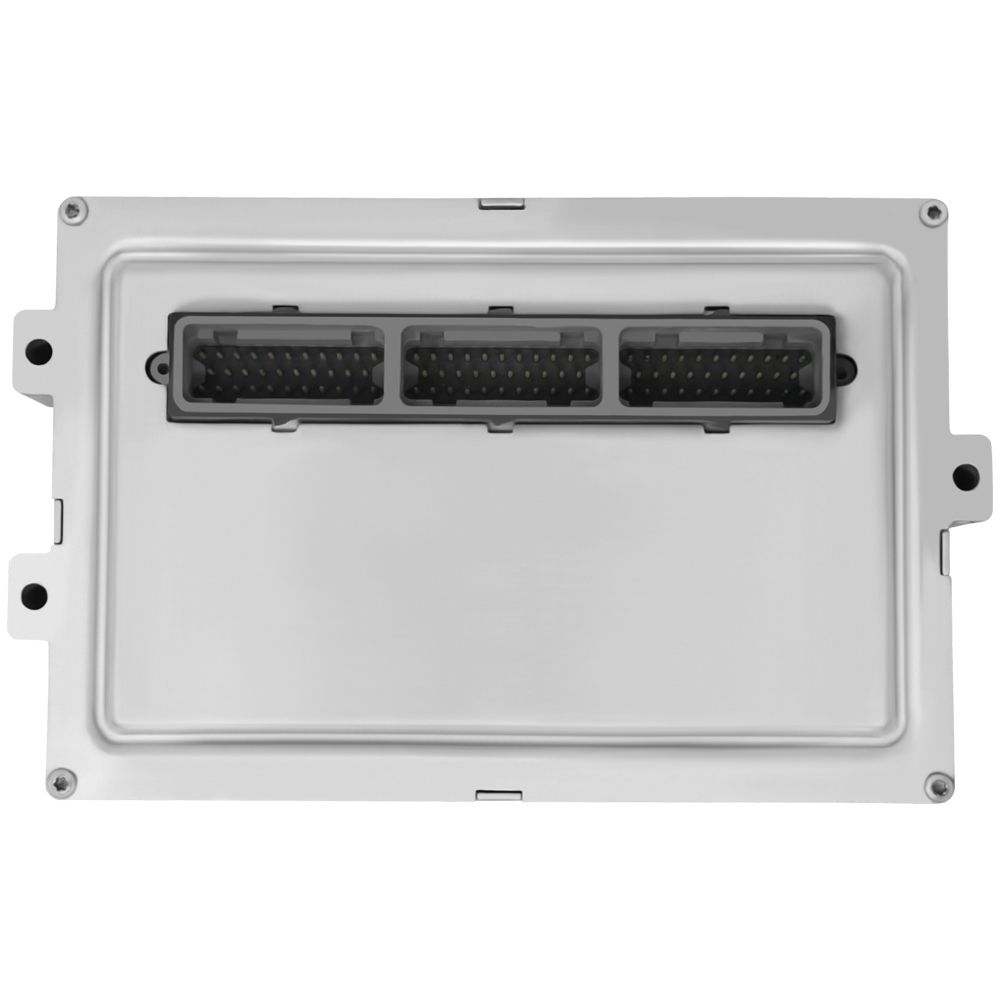
Flagship One stocks a refurbished, VIN-programmed PCM for the 1996 Dodge Ram Van with a lifetime warranty, free shipping and no core charge. The full Dodge Ram Van module lineup covers other engine configurations as well.
The PCM in your 1996 Dodge Ram Van plays a vital role in keeping your vehicle running smoothly. If you’re facing symptoms like stalling, no-start conditions, or shifting issues, it may be time to consider a replacement. With the right unit and proper installation, you can restore your van’s performance and reliability. Whether you opt for a DIY approach or professional help, addressing PCM issues promptly can prevent further complications down the road.