
Last updated on August 25th, 2026 at 12:51 pm
The Powertrain Control Module and Engine Control Module in your 1994 Dodge Stealth govern engine operation, fuel delivery, and transmission shifting. On this pre-OBD-II vehicle, these modules handle powertrain functions without the standardized emissions diagnostic systems that arrived later. Module failure typically results from heat damage, voltage spikes, or corrosion at the electrical connections.
When your 1994 Dodge Stealth develops starting problems, stalling, or irregular transmission behavior, the Powertrain Control Module or Engine Control Module may be the cause. This guide explains what these control units do in your specific vehicle, what the replacement process involves, and why choosing a pre-programmed replacement from Flagship One eliminates one step from the repair. You will learn where the module installs, what factory procedures follow replacement, and how to recognize when this component has failed. The information applies to the 3.0L engine configuration found in this model.
Engine computer (ECM/PCM)
OEM programmed replacements — plug & play, no dealer visit.
Find yours by year, make & model →
Free shipping · Lifetime warranty
The Powertrain Control Module and Engine Control Module serve as the central computer for your 1994 Dodge Stealth. These replacement engine computers for the Stealth control fuel delivery, ignition timing, and transmission shifting based on inputs from various sensors throughout the drivetrain. Unlike later vehicles with standardized OBD-II diagnostics, this pre-OBD-II system uses a different approach to monitoring and controlling engine functions. The module receives information from the crankshaft position sensor, camshaft position sensor, throttle position sensor, and other inputs to calculate the appropriate fuel pulse width and spark advance for current operating conditions. It also manages the transmission control unit’s commands when these functions are integrated. Because this module directly affects how your engine runs and how smoothly your transmission shifts, its failure has immediate and noticeable effects on drivability.
Flagship One keeps Dodge Stealth replacement engine computers in stock for exactly this failure pattern.
The control module on your 1994 Dodge Stealth is located in the engine compartment, typically secured to the firewall or inner fender area depending on your specific configuration. Replacement involves first disconnecting the negative battery terminal to prevent electrical damage. The technician then removes the mounting fasteners holding the unit in place, releases the electrical connector by disengaging the locking tab, and lifts the module free. Installation reverses this sequence with the new unit. According to factory labor estimates, the R&R operation requires 0.5 hours on this vehicle. After connecting the new module, the battery is reconnected and the vehicle is started to begin the relearn process.
| Operation | Configuration | Book Time |
|---|---|---|
| Powertrain Control Module Relearn | All configurations | 0.5 hr |
| Powertrain Control Module R&R | All configurations | 0.5 hr |
| Engine Control Module Relearn | All configurations | 0.5 hr |
| Engine Control Module R&R | All configurations | 0.5 hr |
After installing a replacement module in the 1994 Dodge Stealth, the factory service procedure requires a relearn process so the new unit can calibrate to your vehicle. This involves starting the engine and allowing it to idle through a specific sequence so the module can adapt to your engine’s characteristics. Factory labor estimates assign 0.5 hours for this relearn procedure. Flagship One addresses this step by shipping replacement units with your specific VIN already programmed, which means the module arrives ready to communicate with your vehicle’s systems without requiring a dealer or specialty tool for initial programming. The relearn adaptation process after startup still occurs normally, but the time-consuming VIN programming step is already complete.
Every VIN-programmed replacement unit from Flagship One arrives with these steps already completed.
Common indicators of PCM or ECM failure in the 1994 Dodge Stealth include hard starting or a no-start condition where the engine cranks but does not fire. The engine may stall unexpectedly at idle or during deceleration, and it might run roughly with hesitation during acceleration. You may notice multiple diagnostic trouble codes stored, particularly for misfire or fuel delivery issues that trace back to the control module. In some cases, the transmission may shift harshly, erratically, or fail to shift at all because the module commands incorrect gear selections. A scan tool may show no communication with the vehicle, which points toward a power or ground issue at the control module itself. Fuel economy often drops noticeably when the module provides incorrect fuel delivery commands.
Service bulletin 18-037-05 addresses flash programming failure recovery for this vehicle using the DRBIII diagnostic tool. This bulletin provides guidance when a control module experiences programming issues during service or updates. The procedure involves using factory diagnostic equipment to recover or reinstall the module’s operating software, which may be necessary if the module was previously programmed incorrectly or if communication errors occurred during the programming sequence.
| Bulletin | Subject | What It Addresses |
|---|---|---|
| 18-037-05 | 18-037-05 Flash Programming Failure Recovery Using DRBIII® | — |
A used module typically requires programming with your vehicle’s VIN and may still need the relearn procedure. It may also have unknown internal damage. Flagship One units arrive pre-programmed and tested, reducing uncertainty.
The physical replacement does not require a dealership. The module replacement and relearn combined take approximately one hour according to factory labor estimates. Choosing a pre-programmed replacement eliminates the need for dealer programming equipment.
The new module may not adapt properly to your engine’s specific characteristics, resulting in poor idle quality, hesitation, or irregular transmission behavior. The relearn allows the module to adjust its calibrations based on your engine’s actual operating data.
If your 1994 Dodge Stealth shows signs of control module failure, you have repair and replacement options. A rebuilt or new replacement from the dealership costs more and may require additional programming visits. A quality replacement from Flagship One arrives with your VIN already configured, eliminating one step in the process. The physical replacement and relearn together take approximately one hour of labor. Consider the total cost including any diagnostic fees and determine whether replacement versus repair makes sense for your situation and budget.
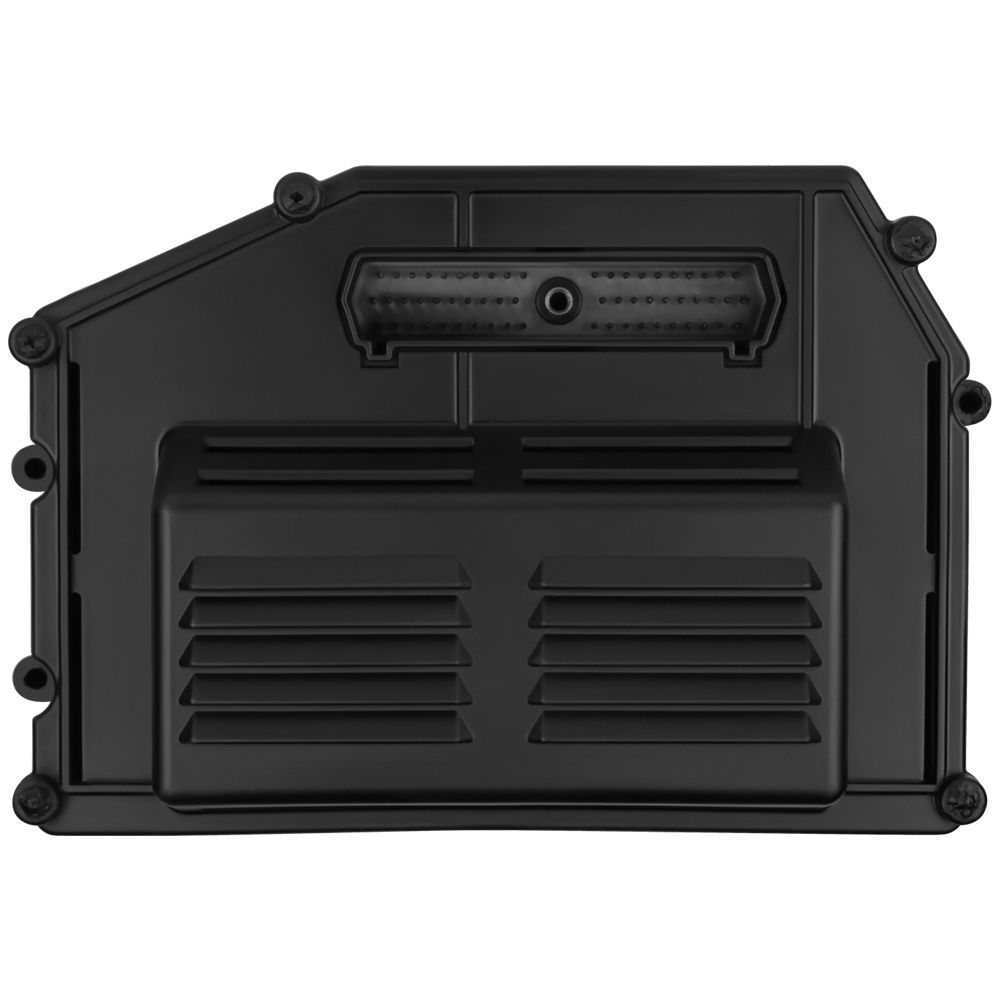
Flagship One stocks a refurbished, VIN-programmed PCM for the 1994 Dodge Stealth with a lifetime warranty, free shipping and no core charge. The full Dodge Stealth module lineup covers other engine configurations as well.
The Powertrain Control Module and Engine Control Module in your 1994 Dodge Stealth play essential roles in engine operation and transmission control. Recognizing the symptoms early helps prevent secondary damage. Replacement involves approximately one hour of combined labor, and choosing a pre-programmed unit from Flagship One reduces the complexity of the repair. Evaluate your options based on cost, diagnostic findings, and how long you plan to keep your vehicle.